What Are AML Check Requirements?
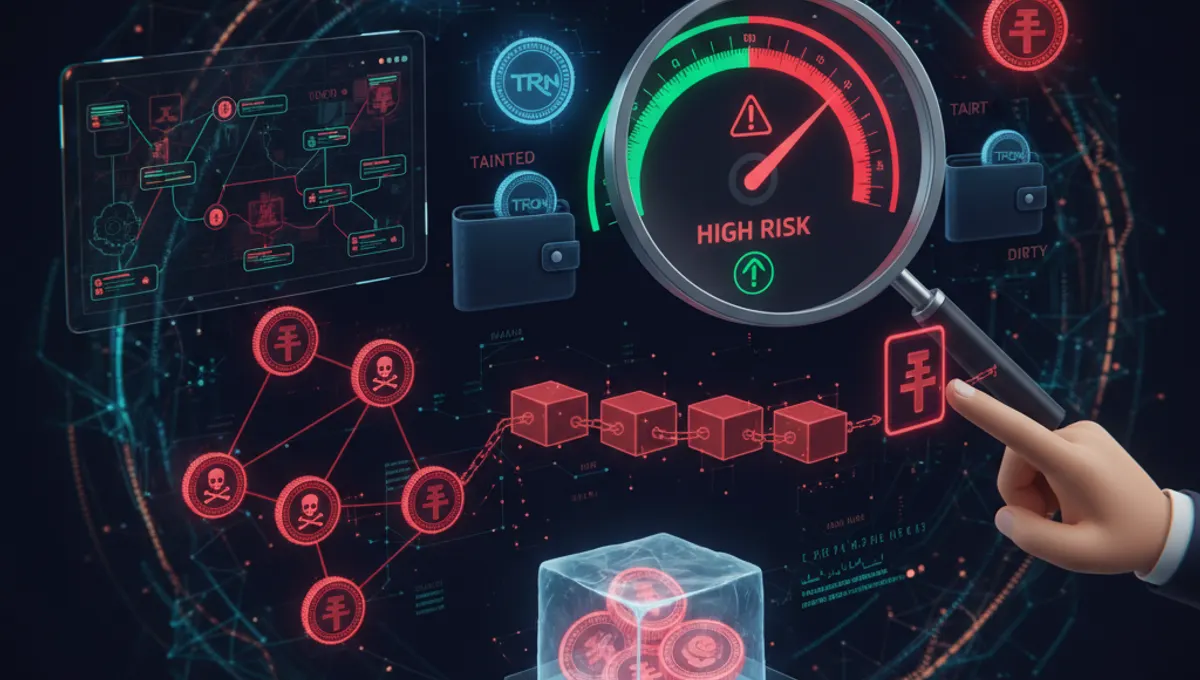
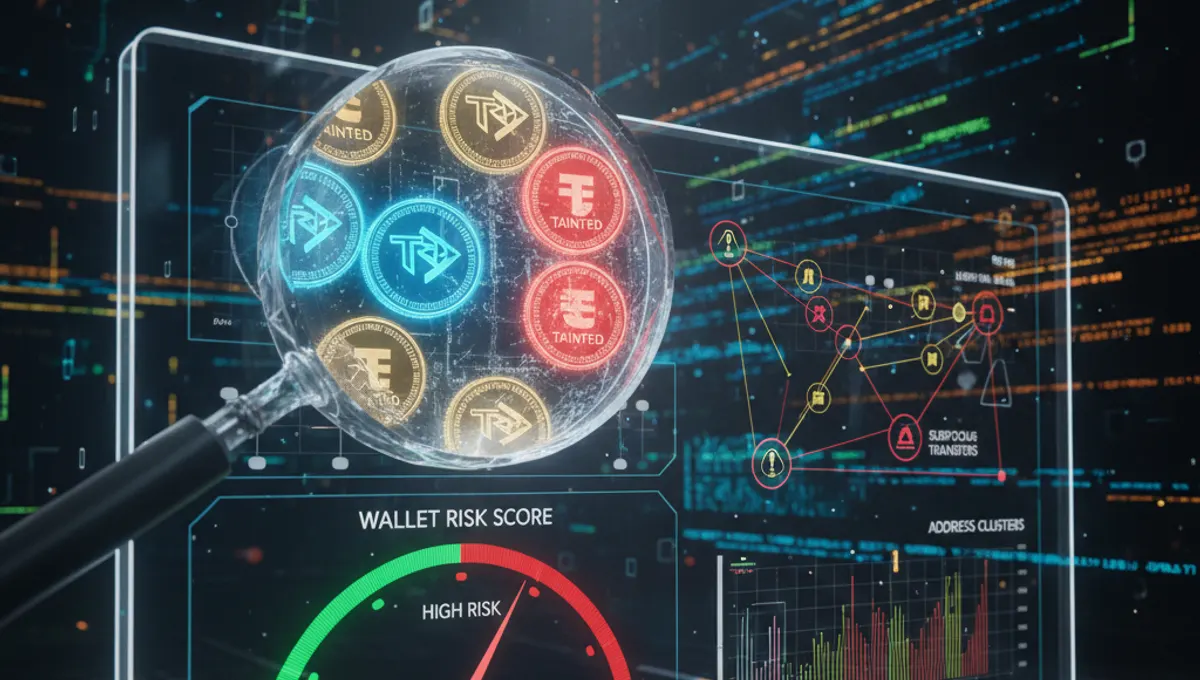
AML check requirements are a set of screening criteria used to assess whether a cryptocurrency address or transaction is connected to illicit activity, sanctions, or financial crime. These requirements typically include checking against sanctions lists, identifying exposure to darknet markets, detecting mixer usage, flagging stolen funds, and evaluating transaction history. Financial institutions, exchanges, and compliance teams use these requirements to decide whether to accept or reject a wallet. For individuals, understanding these requirements means knowing what data points are examined when you screen a wallet before accepting a transfer. The core requirement is that a wallet should not be directly linked to theft, sanctions evasion, money laundering, or high-risk entities. Most AML check processes evaluate wallets on a risk score scale, typically ranging from low risk to critical risk, based on the strength and nature of any connections to suspicious activity.
How Does the AML Check Process Work?
The AML check process involves several sequential steps. First, the wallet address is submitted to a screening system. Second, the system queries the address against known sanctions lists, such as OFAC designations and international watchlists. Third, the system analyzes the transaction history to detect patterns associated with mixers, gambling platforms, or darknet marketplaces. Fourth, the system cross-references the address against databases of known stolen funds or compromised wallets. Fifth, a risk score is calculated based on the findings. Finally, a report is generated showing the risk level and specific risk categories flagged. The entire process typically completes within seconds to minutes. For Tron addresses and TRC20 tokens like USDT, the process is identical in principle but uses Tron-specific blockchain data and TRC20 transaction records. The depth of the check depends on the service used; some services provide basic screening, while others offer detailed transaction monitoring and historical analysis.
What Risk Categories Are Evaluated in an AML Check?
An AML check evaluates several distinct risk categories. Sanctions exposure checks whether the address is linked to individuals or entities on government sanctions lists. Darknet exposure identifies wallets that have received funds from known darknet marketplaces or have sent funds to them. Mixer detection flags addresses that have interacted with coin mixing services, which obscure transaction origins. Stolen funds detection identifies wallets that have received cryptocurrency known to be stolen from exchanges, hacks, or scams. Gambling exposure identifies addresses linked to gambling platforms, which may indicate higher transaction volatility. Scam association flags addresses connected to known Ponzi schemes, rug pulls, or fraud operations. Each category contributes to the overall risk score. A wallet may be flagged in one category but not others; for example, a wallet might have mixer exposure but no sanctions or stolen funds connections. Understanding which categories are flagged helps you decide whether the risk is acceptable for your transaction.
What Do AML Risk Score Levels Mean?
AML risk scores typically use a tiered system to communicate the level of concern. A low-risk score (often 0–20 on a 0–100 scale) indicates minimal connection to suspicious activity and is generally safe to receive funds from. A medium-risk score (20–50) suggests some exposure to higher-risk activity, such as gambling or mixer usage, but no direct connection to theft or sanctions. A high-risk score (50–80) indicates significant concerns, such as multiple connections to darknet activity or stolen funds, and should be treated with caution. A critical-risk score (80–100) indicates direct links to sanctions, major theft, or active criminal networks and should be avoided entirely. Exchanges typically freeze or reject transactions from critical-risk addresses automatically. For personal use, acceptable thresholds depend on your risk tolerance and jurisdiction; many users avoid anything above medium risk. Some services provide more granular scoring, breaking risk into specific categories rather than a single number, which allows for more nuanced decision-making.
How to Check a Wallet Address Before Receiving USDT or Tron
To check a wallet address before receiving USDT or Tron, follow these steps. First, obtain the sending wallet address from the sender. Second, visit a trusted AML check service (our curated AML Services page lists verified providers). Third, paste the wallet address into the screening tool. Fourth, select the blockchain (Tron for TRC20 USDT, Ethereum for ERC20 USDT, Bitcoin for BTC, etc.). Fifth, initiate the scan. Sixth, review the risk score and flagged categories. Seventh, decide whether to accept the transfer based on the results. If the address shows low or acceptable medium risk, you can proceed. If it shows high or critical risk, contact the sender to clarify or decline the transfer. For Tron addresses specifically, ensure the service supports TRC20 token screening, as some tools focus only on Bitcoin or Ethereum. The entire process takes 1–2 minutes and costs nothing on most free services, though premium services offer more detailed reports and faster processing.
What Happens If You Receive Tainted Coins?
If you receive tainted coins—cryptocurrency flagged as stolen, sanctioned, or linked to criminal activity—several consequences may follow. First, if you deposit the coins into an exchange, the exchange's AML systems will likely detect the taint and freeze your account pending investigation. Second, you may be required to provide proof of legitimate receipt or face account closure. Third, in some jurisdictions, knowingly receiving stolen funds can create legal liability, even if you were unaware of the taint. Fourth, you cannot easily spend or transfer tainted coins without triggering additional AML alerts. Fifth, the coins may become permanently illiquid, as most exchanges and services will reject them. To avoid this, always screen wallet addresses before accepting transfers. If you do receive tainted coins by mistake, do not attempt to hide them or move them quickly; instead, contact the exchange's compliance team and explain the situation. Transparency and documentation of your due diligence are your best defense.
Why Exchanges Freeze Accounts and How to Avoid It
Exchanges freeze accounts when they detect AML violations or high-risk transactions. This happens because exchanges are required by law to comply with anti-money laundering regulations and sanctions screening. When you deposit funds from a high-risk or sanctioned address, the exchange's automated systems flag the transaction. The exchange then places a hold on your account while compliance staff investigates. If the investigation concludes that you knowingly received illicit funds, your account may be permanently closed and your funds seized. If the investigation concludes that you were unaware, your account may be unfrozen, but the flagged funds may still be held or returned to the sender. To avoid freezes, screen all incoming addresses before accepting transfers, maintain clear records of who sent you funds and why, and use exchanges with transparent AML policies. Avoid receiving funds from unknown sources, mixing services, or addresses with obvious red flags. If your account is frozen, respond promptly to the exchange's compliance inquiries and provide documentation of your due diligence.
Frequently asked questions
What is an AML check fee?
Most basic AML checks are free through public blockchain analysis tools. Premium services charge fees ranging from a few dollars to hundreds, depending on report depth and speed. Some exchanges include AML checks in their transaction fees. For individual wallet screening before receiving funds, free services are usually sufficient.
Can I do a free AML check on a Tron address?
Yes. Several free services support Tron address screening, including public blockchain explorers with built-in risk analysis. Visit our AML Services page to find verified free and paid options that support TRC20 and Tron addresses. Free checks typically provide a risk score and basic category flags; paid services offer more detail.
How long does an AML check take?
Most AML checks complete within seconds to two minutes. Real-time screening is standard for basic risk scoring. Detailed investigation reports may take longer, especially if compliance staff must manually review flagged transactions. For urgent transfers, use services that guarantee fast processing.
What should I do if a wallet I want to receive from has a medium risk score?
Medium risk typically indicates exposure to mixers or gambling, not direct criminal links. Assess whether the specific flagged categories are acceptable for your use case. Contact the sender to understand the source of their funds. If you trust the sender and the risk is acceptable, you can proceed; if uncertain, decline and ask for funds from a different address.
Are AML check requirements the same for Bitcoin, Ethereum, and Tron?
The principles are identical, but the specific data sources differ. Bitcoin, Ethereum, and Tron each have their own blockchain and transaction history. AML check services must support each blockchain separately. Risk categories and scoring methodologies are consistent across blockchains, though some services specialize in specific chains.