What Is an AML Crypto Check and Why It Matters
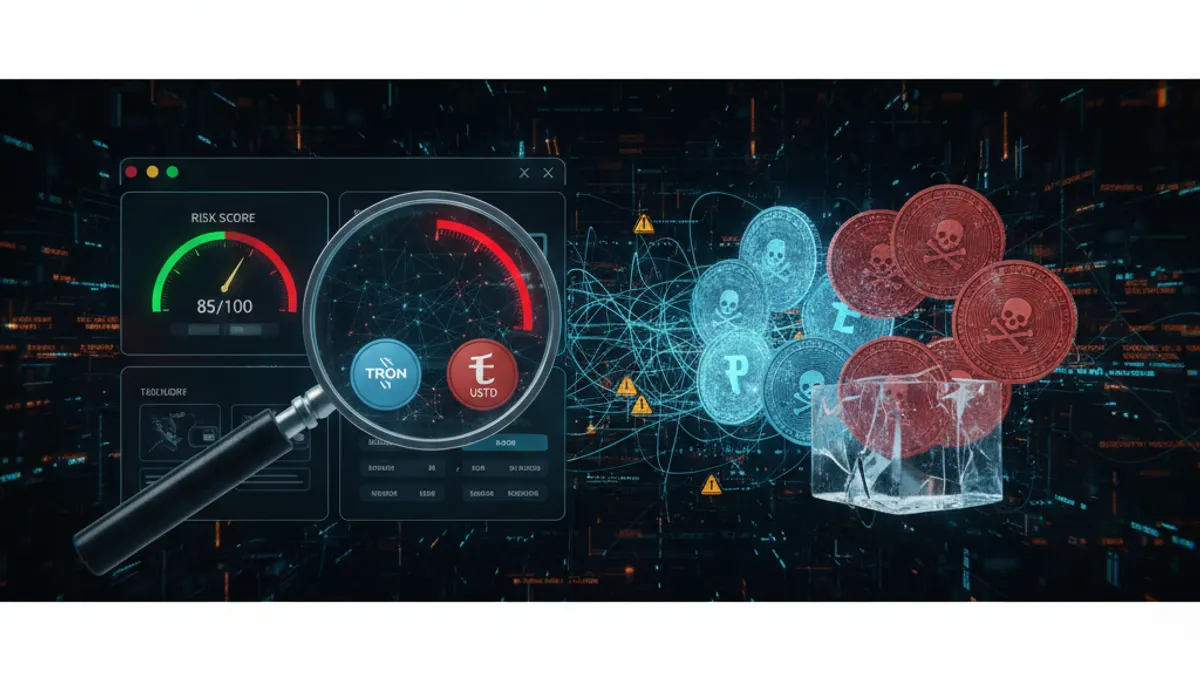
An AML crypto check screens a blockchain address against risk indicators: transaction history with mixers, darknet markets, scams, stolen funds, and sanctioned entities. Exchanges and custodians use Know-Your-Transaction (KYT) tools to flag high-risk wallets. If you receive coins flagged as tainted, your exchange account can be frozen, trades blocked, or funds seized. A free AML crypto check before accepting a transfer lets you refuse risky coins upfront. Risk scoring ranges from clean (0–20) to high-risk (80–100). Understanding these categories protects you from regulatory exposure and operational disruption. Many blockchain analytics platforms offer AML crypto wallet checks with varying depth and cost; the trusted services listed in our AML Services directory provide transparent scoring and clear risk explanations.
How AML Risk Scoring Works for Crypto Wallets
Risk scores are calculated by analyzing on-chain transaction patterns and comparing wallet activity against known blacklists and threat databases. A wallet receives a higher score if it has received funds from mixers (privacy tools used to obscure coin origin), darknet marketplaces, gambling platforms, or addresses linked to theft or sanctions. Each transaction is weighted: direct contact with a high-risk entity raises the score more than indirect exposure. Scores typically range from 0 (clean) to 100 (extreme risk). A score of 0–20 is generally acceptable for most exchanges. Scores of 21–50 warrant caution; you may face delays or additional KYC. Scores above 50 often trigger freezes or rejection. The scoring model varies by service, so running an AML check through multiple providers can give you a fuller picture. Our curated list of verified AML services on the AML Services page includes tools with transparent methodologies.
Step-by-Step: How to Check a Crypto Wallet Before Receiving Funds
Follow these steps to perform an AML crypto check on an incoming address:
- Copy the wallet address (TRX, USDT TRC20, BTC, or ETH) you plan to receive from.
- Visit a trusted AML check service from our AML Services directory.
- Paste the address into the search field and select the blockchain (Tron, Bitcoin, Ethereum, etc.).
- Review the risk score and detailed report: look for mixer exposure, darknet connections, stolen fund flags, and sanctions matches.
- Check the transaction history summary to understand how the wallet accumulated its risk score.
- If the score is below 20, the wallet is generally safe. If 21–50, assess your risk tolerance and contact your exchange compliance team if needed. If above 50, decline the transfer or escalate to your compliance officer.
- Document the check result for your records; many exchanges require proof of AML screening for high-value transfers.
This process takes 2–5 minutes and can prevent costly account freezes.
Common Risk Indicators in AML Crypto Wallet Checks
When reviewing an AML crypto check report, watch for these red flags:
- Mixer exposure: The wallet has sent or received funds from privacy mixers, which obscure transaction origin and are commonly used to launder stolen coins.
- Darknet marketplace links: Transactions connected to known darknet markets (gambling, illegal goods, ransomware payments).
- Stolen funds: The address has received coins flagged as stolen in theft reports or law enforcement databases.
- Sanctions matches: The wallet is linked to sanctioned entities, countries, or individuals under international sanctions.
- Scam or fraud reports: The address is associated with Ponzi schemes, rug pulls, or phishing campaigns.
- Ransomware payments: Funds received from ransomware attack victims or attackers.
- Gambling platform exposure: High transaction volume with known gambling services (not inherently illegal but increases regulatory scrutiny).
A single indicator does not automatically mean the wallet is unusable, but multiple flags or a high-risk score warrant refusal. The AML Services page lists tools that break down these indicators clearly.
Free vs. Paid AML Crypto Check Services: What You Get
Free AML crypto checks typically provide a basic risk score and limited transaction history. They are useful for quick screening before receiving small transfers. Paid services offer deeper analysis: full transaction graphs, entity identification, historical risk trends, and API access for automated screening. For individuals and small businesses, a free AML crypto check is often sufficient. For exchanges, custodians, and high-volume traders, paid services are standard because they provide audit trails and compliance reporting required by regulators. Some services offer a free tier with limited checks per month, then charge per additional scan. Our AML Services directory includes both free and premium options with transparent pricing and feature comparisons, so you can choose based on your volume and compliance needs. Even a free check is far better than no check at all.
What to Do If Your Wallet Is Flagged as High-Risk
If an AML crypto check flags your wallet as high-risk, take these steps:
- Review the detailed report to understand which transactions triggered the flag. Look for mixer exposure, darknet links, or sanctions matches.
- If the flag is incorrect (e.g., you received coins from a legitimate service mistakenly flagged), contact the AML service provider with evidence and request a review.
- If the flag is accurate but you believe the risk is acceptable (e.g., you received coins from a regulated exchange that has mixer exposure), document your decision and inform your exchange or custodian before depositing.
- If you cannot explain the risk, do not deposit the coins. Frozen USDT and account bans are far more costly than refusing a transfer.
- For ongoing compliance, request an AML check report from the sender's exchange or custodian to understand the source of the coins.
- If you are a business, escalate to your compliance officer and consider filing a Suspicious Activity Report (SAR) if the risk is severe.
Proactive communication with your exchange and clear documentation protect you from regulatory action.
How Exchanges Freeze Accounts Over Tainted Crypto
Exchanges use transaction monitoring and AML screening to detect when users deposit high-risk coins. When a deposit is flagged, the exchange may: hold the funds pending review, freeze the account, require additional KYC documentation, or reject the deposit entirely. If the coins are linked to theft, sanctions, or darknet activity, the exchange is legally obligated to report the transaction and may permanently ban the account. Frozen USDT and other assets can remain locked for weeks or months during investigation. Even if you are not at fault, receiving tainted coins can trigger a freeze because the exchange must comply with anti-money laundering regulations. This is why an AML crypto check before receiving funds is critical. By screening addresses upfront using the tools on our AML Services page, you avoid the operational and financial disruption of a frozen account. Compliance is not optional; it is a prerequisite for using regulated exchanges.
Frequently asked questions
Is there a free AML crypto check tool I can use?
Yes, several services offer free AML crypto checks with basic risk scoring and transaction history. Free tools are suitable for screening small transfers. For high-volume or compliance-critical use, paid services provide deeper analysis and audit trails. Check our AML Services directory for verified free and paid options.
What does a high AML risk score mean for my USDT or TRX wallet?
A high AML risk score (above 50) indicates the wallet has received or sent funds linked to mixers, darknet markets, theft, or sanctions. Depositing high-risk coins can trigger exchange account freezes or bans. Do not deposit flagged coins; refuse the transfer or escalate to your compliance team first.
Can I check a crypto wallet address before receiving funds?
Yes. Copy the wallet address, paste it into an AML check service, and review the risk score and transaction history. This takes 2–5 minutes and helps you avoid receiving tainted coins. Use the trusted services listed on our AML Services page for reliable screening.
What happens if I receive stolen or sanctioned crypto?
If you deposit stolen or sanctioned coins, your exchange account can be frozen, your funds seized, and you may face legal liability. Exchanges are required to report suspicious activity. Always run an AML crypto check before accepting transfers to avoid this outcome.
How often should I run AML checks on my crypto wallets?
Run an AML check before receiving any significant transfer. If you hold coins long-term, periodic rescans can detect new risk (e.g., if your wallet receives funds from a newly flagged source). For businesses, continuous transaction monitoring is standard practice.