What Is a Free AML Crypto Check and Why It Matters
A free AML crypto check is a blockchain screening tool that analyzes a wallet address for money-laundering risk. It cross-references the address against sanctions lists, known theft databases, mixer transactions, and darknet market activity. The result is a risk score—typically ranging from low to critical—that tells you whether funds linked to that address carry compliance danger. Exchanges, custodians, and compliance teams use these checks to prevent frozen USDT, account lockdowns, and regulatory penalties. For individual users, a free AML crypto check before receiving a large transfer can mean the difference between clean coins and coins that exchanges will reject or freeze. The check takes seconds and requires only the wallet address, not private keys or personal data.
How AML Risk Scoring Works for Crypto Addresses
Risk scoring combines multiple data sources to assign a numerical or categorical rating to a wallet. Scorechain and comparable services examine transaction history, wallet age, cluster behavior (linked addresses), and exposure to known risk categories. Risk categories include: stolen funds (traced from hacks or theft), sanctions exposure (wallets linked to sanctioned entities or jurisdictions), mixer usage (funds routed through privacy mixers), darknet market activity (transactions to known marketplace addresses), scam proceeds, and gambling platform links. Each category contributes to the final score. A low-risk address typically has a clean transaction history, no mixer involvement, and no sanctions exposure. A high-risk or critical-risk address shows multiple red flags—for example, funds from a known theft, routed through a mixer, then to a darknet market. Free AML checks usually display the score and a brief explanation of which risk categories triggered the flag.
Step-by-Step: How to Perform a Free AML Crypto Check
- Copy the wallet address you want to screen. Ensure it is the correct address—typos will return results for the wrong wallet.
- Visit a free AML check service (our curated list of verified AML services on this site includes trusted options with free tiers).
- Paste the address into the search field. Select the blockchain if prompted (Tron for TRX, Ethereum for USDT ERC-20, Bitcoin for BTC, etc.).
- Click 'Check' or 'Analyze.' The tool will query its database and return a risk score within seconds.
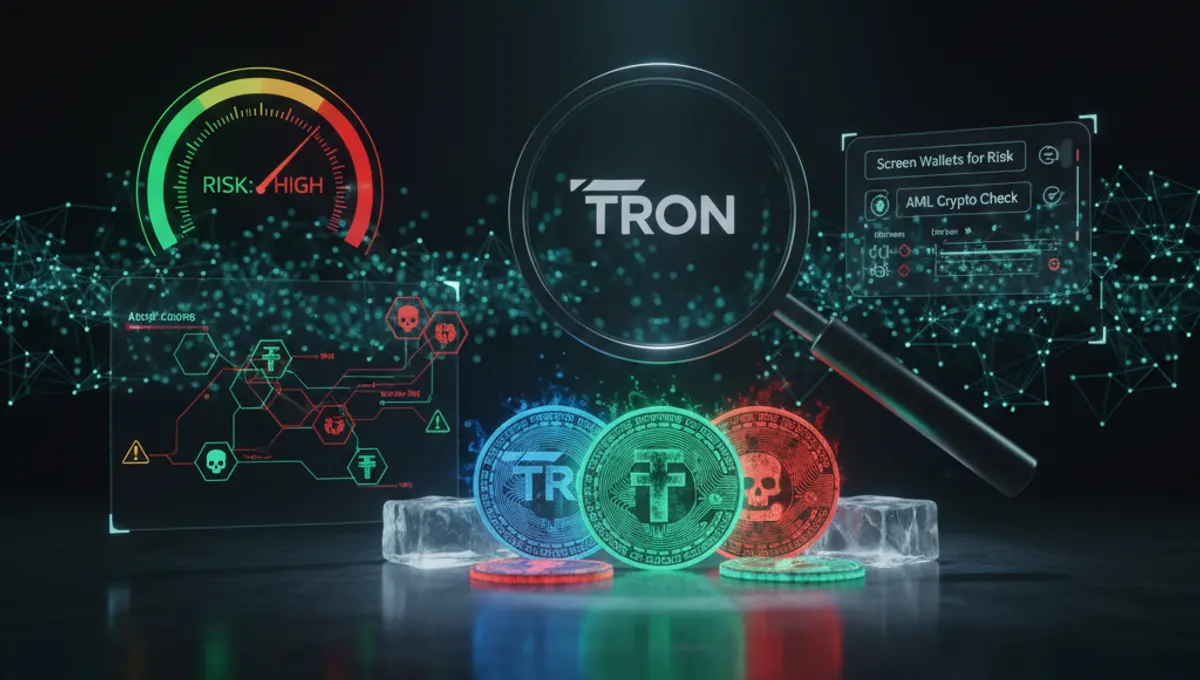
- Review the result. A green or low-risk rating means the address is clean. A yellow or medium-risk rating warrants caution—investigate the specific flags. A red or critical-risk rating means do not accept funds from that address.
- If available, click into the detailed report to see which risk categories triggered the score and the transaction history that caused the flag.
- Document the result for your records, especially if you are receiving a large transfer or for compliance purposes.
Understanding Risk Score Levels and What They Mean
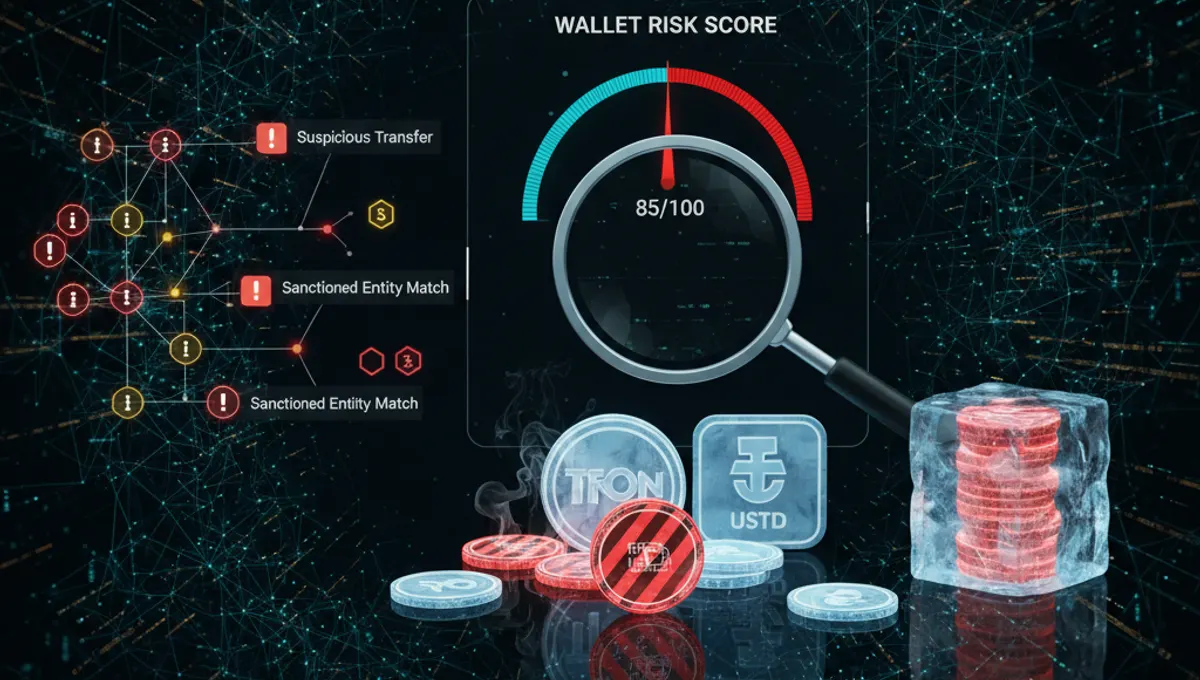
Most free AML crypto check tools use a four-tier or five-tier risk scale. Low risk (green) means the address has a clean history, no known theft or sanctions exposure, and no mixer involvement. The address is safe to receive funds from. Medium risk (yellow) indicates minor red flags—for example, the address has interacted with a mixer at some point, or has a brief connection to a gambling platform, but no direct theft or sanctions exposure. Medium-risk addresses warrant review but are not automatically dangerous. High risk (orange) shows significant concerns: multiple mixer transactions, darknet market exposure, or unconfirmed theft links. High-risk addresses should be avoided unless you have a specific business reason and compliance approval. Critical risk (red) means the address is directly linked to stolen funds, active sanctions lists, or major darknet activity. Never accept funds from a critical-risk address—exchanges will almost certainly freeze the coins, and you may face regulatory scrutiny. Some services also include 'unverified' or 'unknown' ratings for new or inactive addresses with insufficient transaction history.
Free vs. Paid AML Crypto Check Services: What's the Difference
Free AML crypto checks provide a basic risk score and limited transaction history, often with a daily or monthly query limit. They are ideal for occasional screening before receiving a transfer or checking a single address. Paid services offer unlimited queries, deeper transaction analysis, historical risk tracking, API access for automated screening, and detailed compliance reports suitable for exchanges and custodians. Free tiers typically show the risk score and top-level risk categories but may not reveal the full transaction graph or provide downloadable reports. Paid tiers add features like wallet clustering (identifying all linked addresses), transaction timeline visualization, and alerts for address activity changes. For individual users and small businesses, a free AML crypto check is usually sufficient. For compliance teams, exchanges, and high-volume traders, a paid subscription ensures comprehensive coverage and audit-ready documentation. Our verified AML services list on this site includes both free and paid options so you can choose based on your needs.
What to Do If Your Wallet Gets a High or Critical Risk Score
If you receive a high or critical risk score on a wallet you own, do not panic—the score reflects the transaction history of the address, not necessarily your conduct. First, review the detailed report to understand which transactions triggered the flag. If the flag is due to a past transaction you did not initiate (for example, you received coins from an address that later turned out to be linked to theft), document this and contact the exchange or service where you hold the coins. Explain the situation and provide the risk report. Many exchanges will review the context and may clear the coins if you can demonstrate you are not the source of the risk. If the flag is due to mixer usage or darknet exposure in your own transaction history, be aware that exchanges may still freeze or reject the coins—this is a compliance decision beyond your control. Going forward, avoid sending coins to mixers or high-risk addresses. If you need to move coins flagged as high-risk, consider using a compliance-friendly exchange that offers coin washing or redemption services, though these are rare and may carry fees. The safest approach is to avoid receiving high-risk coins in the first place by screening addresses before accepting transfers.
How Exchanges Freeze USDT and Accounts Over AML Flags
Exchanges perform AML checks on deposits and withdrawals as part of their compliance obligations. When you deposit USDT or other crypto, the exchange screens the source address. If the address is flagged as high or critical risk, the exchange may freeze the deposit, hold it for review, or reject it outright. If the exchange determines the coins are tainted (linked to theft, sanctions, or major darknet activity), the coins may be permanently frozen, and your account may be restricted or closed. This is not a technical issue—it is a compliance decision. Frozen USDT cannot be withdrawn or traded; the funds are locked until the exchange completes its investigation or decides to return them to the source. In some cases, frozen funds are never released. Account bans occur when an exchange detects a pattern of high-risk deposits or believes you are knowingly handling tainted coins. Once banned, you lose access to your account and any funds held there. To avoid this, screen wallet addresses before receiving large transfers, and avoid accepting coins from mixers, darknet markets, or sanctioned entities. Use a free AML crypto check before each significant deposit to confirm the source is clean.
Frequently asked questions
Is a free AML crypto check as accurate as a paid one?
Free AML checks provide accurate risk scores based on the same core data sources as paid services. The main difference is query limits and report depth. For a single address screening, a free check is reliable. For continuous monitoring or compliance audits, a paid service offers more detail and unlimited access.
Can I use a free AML crypto check on Telegram?
Some AML services offer Telegram bots that perform basic wallet checks. These are convenient but may have limited functionality compared to web-based tools. For critical screening, use the full web interface to see the complete risk report and transaction history.
What does a low-risk score mean for a USDT or TRX address?
A low-risk score means the address has a clean transaction history with no known theft, sanctions exposure, mixer involvement, or darknet links. It is safe to receive funds from that address without concern of frozen coins or exchange rejection.
How often should I run a free AML crypto check before receiving funds?
Run a free AML crypto check every time you receive a transfer, especially for amounts above your normal transaction size. It takes seconds and protects you from frozen USDT and account bans. For regular transfers from trusted sources, you may check less frequently once you have confirmed they are low-risk.
Will a free AML crypto check reveal if coins are stolen?
Yes. A free AML check compares the address against theft databases and known hack proceeds. If coins are traced to a known theft, the risk score will flag them as high or critical risk. However, not all stolen coins are in public databases, so a low score does not guarantee coins are not stolen—it means no known theft link exists.