What Is a Crypto AML Check and Why It Matters
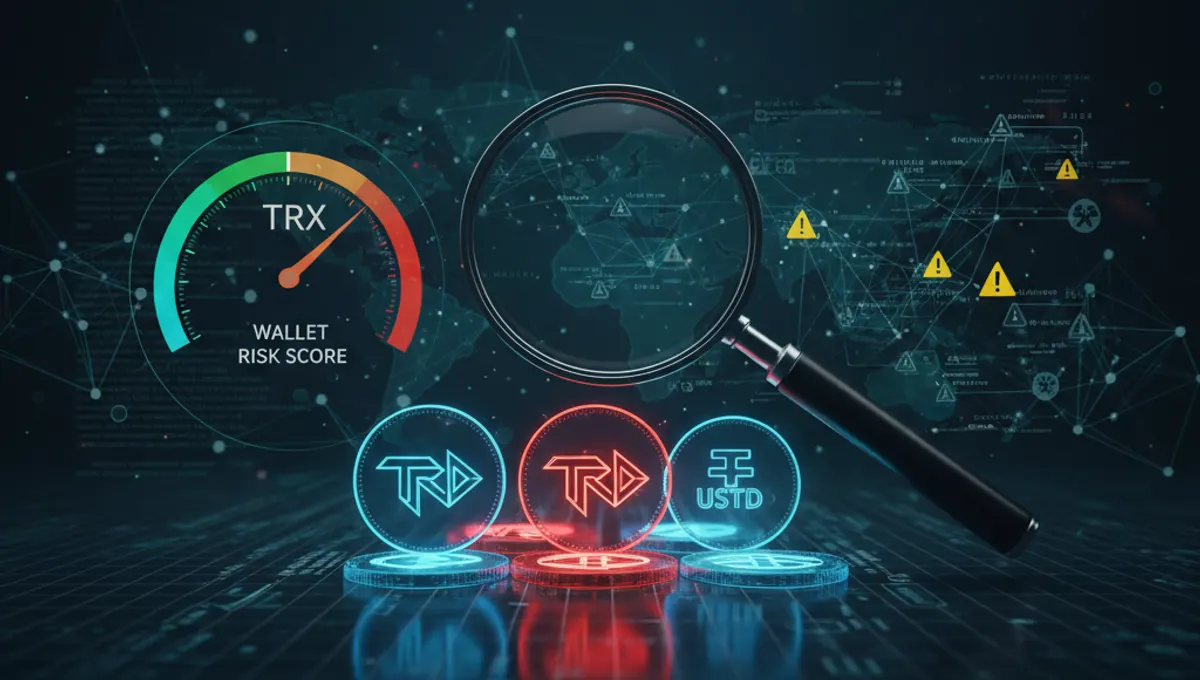
An AML crypto check is a screening tool that analyzes a blockchain address against known risk indicators: stolen funds, sanctions lists, darknet market activity, mixing services, and scam wallets. When you perform an AML check on a crypto wallet, the service compares transaction history and address metadata against compliance databases maintained by blockchain analytics firms and regulatory bodies. This matters because exchanges and custodians now freeze USDT and other assets tied to flagged addresses. A single tainted coin can trigger account restrictions or permanent bans. For businesses and individuals handling significant crypto, an AML check before receiving funds is standard due diligence. The check typically completes in seconds and returns a risk score (low, medium, high) plus a detailed report of flagged activities.
How AML Risk Scoring Works for Crypto Wallets
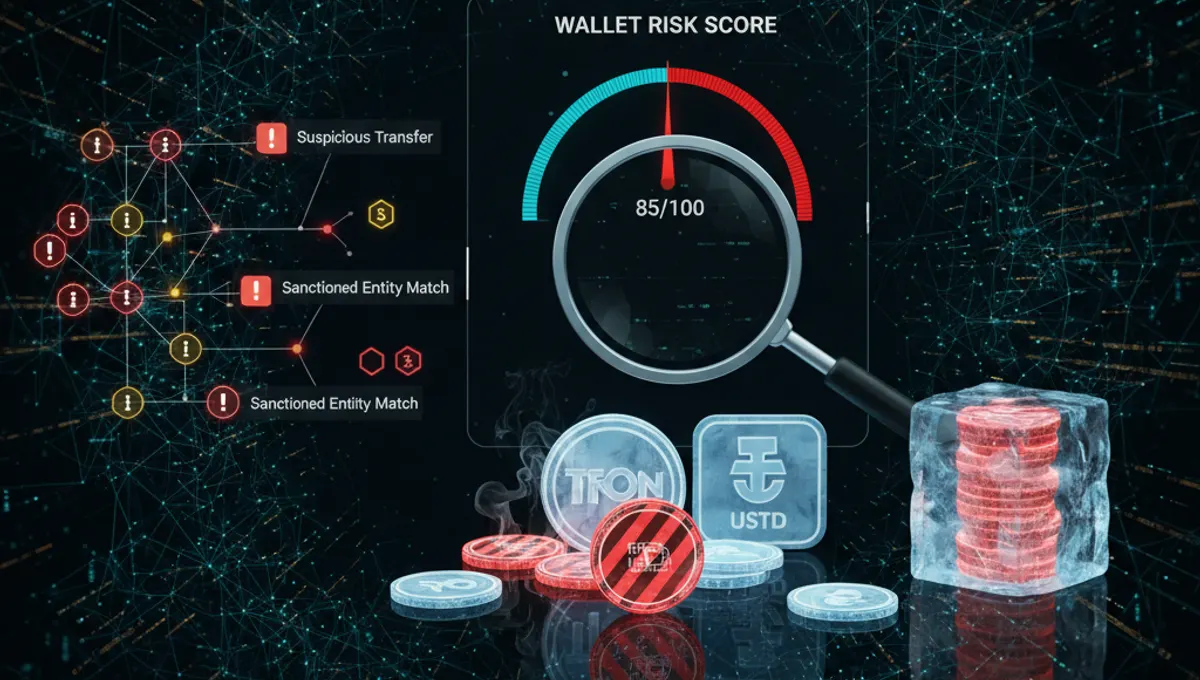
Risk scoring combines multiple data points into a single numerical or categorical rating. A blockchain analytics engine examines the address's transaction history, counterparties, and behavioral patterns. High-risk indicators include: direct links to known mixers or tumblers, transfers from darknet markets, association with sanctioned entities, clustering with stolen-fund wallets, and rapid movement through multiple exchanges. Medium-risk flags might include gambling platform activity or unconfirmed scam reports. Low-risk addresses typically show clean exchange deposits, stable holding patterns, and no known negative associations. Each AML service weights these factors differently, so scores may vary slightly between providers. When you check a TRX or USDT address, the report usually breaks down which specific risks triggered the score, allowing you to make an informed decision about whether to proceed with the transaction.
Step-by-Step: How to Check a Crypto Address Online
- Copy the wallet address (TRX, USDT, BTC, or ETH) you want to screen.
- Visit a trusted AML check service—our curated AML Services directory lists verified providers with transparent pricing and methodology.
- Paste the address into the search field and select the blockchain (Tron, Ethereum, Bitcoin, etc.).
- Click 'Check' or 'Analyze' and wait for the scan to complete, typically 5–30 seconds.
- Review the risk score and detailed report, which should list flagged activities, associated entities, and transaction patterns.
- Check the 'Risk Details' section for specific threats: mixer involvement, darknet exposure, sanctions flags, or stolen-fund warnings.
- Decide whether to accept the transaction based on your risk tolerance and compliance requirements.
- If the address shows medium or high risk, contact the sender for clarification or decline the transfer. For business transactions, document the check result for compliance records.
What Do AML Risk Score Levels Mean
Low Risk: The address shows clean transaction history, no known associations with illicit activity, and standard exchange or personal wallet behavior. Acceptable for most transactions.
Medium Risk: The address has some concerning patterns—possible gambling platform links, minor mixer exposure, or unconfirmed scam associations—but no direct sanctions or darknet flags. Proceed with caution; request additional verification from the sender if the amount is significant.
High Risk: The address is linked to known stolen funds, active sanctions lists, darknet markets, or heavy mixer usage. Most exchanges will freeze USDT or other assets from high-risk addresses. Decline the transaction unless you have explicit compliance approval.
Critical/Blocked: The address appears on official sanctions lists (OFAC, EU, UN) or is directly associated with active criminal investigations. Receiving funds from these addresses may violate law and trigger account closure. Do not proceed.
Your acceptable threshold depends on your jurisdiction and risk appetite. Individuals may tolerate medium risk; regulated businesses typically accept only low-risk addresses.
Common Reasons Crypto Addresses Get Flagged
Mixer or Tumbler Use: The address sent or received funds through a mixing service designed to obscure transaction trails. Mixers are legal in many jurisdictions but raise compliance red flags.
Darknet Market Links: Blockchain analysis detected transfers to or from known darknet marketplace addresses. This is a critical risk indicator.
Stolen Funds: The address received coins identified as stolen in a known hack, theft, or fraud case. Exchanges will freeze these coins.
Sanctions Exposure: The address is linked to individuals or entities on OFAC, EU, or UN sanctions lists. Transacting with sanctioned addresses violates law.
Scam Association: The address is reported in multiple scam complaints or linked to Ponzi schemes, rug pulls, or fake projects.
Gambling Platform Activity: Regular transfers to gambling sites. Some compliance frameworks flag this as higher risk.
Rapid Exchange Cycling: Funds move quickly through multiple exchanges in patterns consistent with money laundering. When you check a wallet and see this pattern, it signals potential AML evasion.
What to Do If Your Crypto Address Is Flagged
If you receive a high-risk AML check result on your own address, first verify the accuracy by reviewing your transaction history. If the flag is incorrect—for example, a false positive linking you to a mixer—contact the AML service provider with evidence of your legitimate activity. Many providers offer dispute processes.
If the flag is accurate but explainable (e.g., you used a mixer for privacy, not evasion), document your reasoning for compliance purposes. Some exchanges allow you to appeal account restrictions with proof of legitimate use.
If you cannot resolve the flag, consider moving funds to a new address with clean history. However, this does not erase the original address's record on the blockchain.
For businesses, a flagged address may require enhanced due diligence: KYC verification, source-of-funds documentation, or legal review. Transparency with your exchange or custodian is critical—attempting to hide a flag often triggers account closure.
If you are the recipient of flagged funds, reject the transaction immediately and report the sender to your exchange. Accepting tainted coins risks your own account freeze.
Free vs. Paid AML Crypto Check Services
Free AML checks typically offer basic risk scoring and limited detail. They may show whether an address is flagged but provide minimal information on specific threats or transaction history. Free tools are useful for quick screening of small transactions or personal use.
Paid services provide comprehensive reports: full transaction graphs, entity clustering, sanctions list cross-reference, darknet exposure analysis, and historical risk trends. They are designed for businesses, exchanges, and compliance teams. Pricing varies by transaction volume and report depth.
Our AML Services directory curates verified providers offering both free and paid tiers. Start there to compare features, pricing, and user reviews. Many services offer a free trial or limited free checks, allowing you to test before committing to a paid plan.
For a single wallet check before receiving USDT or TRX, a free tool is often sufficient. For ongoing compliance, transaction monitoring, or batch screening, a paid service is more practical. Choose based on your transaction frequency and risk management needs.
Frequently asked questions
How long does a crypto AML check take?
Most AML checks complete in 5–30 seconds. The service queries its database and returns a risk score and summary instantly. Detailed reports may take a few minutes to generate. If a check takes longer than a few minutes, the service may be experiencing high load or the address may require deeper analysis.
Can I check a TRX or USDT address for free?
Yes. Many AML services offer free checks for individual addresses, though free tiers may have limits on report detail or monthly query volume. Paid plans unlock full transaction history, entity clustering, and historical risk trends. Check our AML Services directory for providers offering free trials or free-tier options.
What happens if I receive USDT from a flagged address?
If the address is flagged as high-risk or sanctioned, your exchange may freeze the USDT and your account. Exchanges use real-time AML monitoring to detect tainted coins. If this occurs, contact your exchange's compliance team immediately. Attempting to move or hide flagged funds typically worsens the situation.
Does an AML check work on all blockchains?
Most major AML services cover Bitcoin, Ethereum, Tron, and other top blockchains. Coverage varies by provider. When you run a crypto AML check online, ensure the service supports the specific blockchain and token (e.g., TRC20 USDT on Tron) you are screening. Check the provider's documentation before submitting an address.
Is running an AML check legal?
Yes. Screening addresses for compliance is legal and encouraged by regulators. Businesses are often required to perform AML checks as part of KYC and transaction monitoring. Individuals can use AML checks to protect themselves from tainted coins and account bans. The check itself does not violate privacy or law.