How Blockchain Transaction Traceability Works
Every cryptocurrency transaction creates an immutable record on the blockchain ledger. When you send Bitcoin, Ethereum, USDT, or TRX, the transaction includes the sender's wallet address, recipient address, amount, timestamp, and transaction hash. This data is publicly accessible and permanently stored across thousands of nodes. Blockchain explorers allow anyone to search a wallet address or transaction ID and view the complete history of fund movements. Unlike traditional bank transfers, which are private between institutions, crypto transactions are transparent by default. This transparency is the foundation of blockchain security but also enables traceability. Wallet addresses themselves do not contain personal information, but when an address is linked to a known entity—through exchange registration, public disclosure, or law enforcement investigation—the entire transaction history becomes attributable to that person or organization.
What Is Crypto Market Transactions Monitoring
Crypto market transactions monitoring is the process of analyzing blockchain activity in real time to detect suspicious patterns, illicit fund flows, and compliance violations. Monitoring systems track transactions across multiple blockchains, flag high-risk behaviors such as rapid fund mixing, sudden large transfers, or movement to known darknet addresses, and generate risk scores for wallets and transactions. These systems use heuristics—statistical patterns and rule-based algorithms—to identify clusters of related addresses and trace the origin and destination of funds. Exchanges, custodians, and compliance teams use transaction monitoring to screen incoming deposits, identify tainted coins, and prevent account funding from stolen or sanctioned sources. Regulatory bodies and law enforcement also employ monitoring to investigate financial crimes. The goal is to catch illicit activity before it enters regulated channels and to provide an audit trail for compliance reporting.
Can Crypto Transactions Be Traced to Individuals
Crypto transactions can be traced on the blockchain, but tracing them to a specific individual requires additional steps. A wallet address alone does not reveal identity; however, when that address is connected to a known entity—such as an exchange account, a public donation address, or a leaked database—the transaction history becomes attributable. Law enforcement and blockchain analytics firms use multiple techniques to de-anonymize addresses: linking addresses to exchange KYC records, analyzing transaction patterns to cluster related wallets, cross-referencing public information, and subpoenaing exchange records. Mixers and tumblers attempt to obscure transaction trails by combining and splitting funds, but even mixed transactions leave traces and are flagged as high-risk by AML systems. Sanctions lists and darknet market databases help identify addresses associated with known bad actors. The more a wallet interacts with regulated services or public entities, the easier it becomes to trace. Privacy coins like Monero use cryptographic techniques to hide transaction details, but most major cryptocurrencies—Bitcoin, Ethereum, USDT, TRX—are fully traceable.
How AML Risk Scoring Detects Tainted Coins
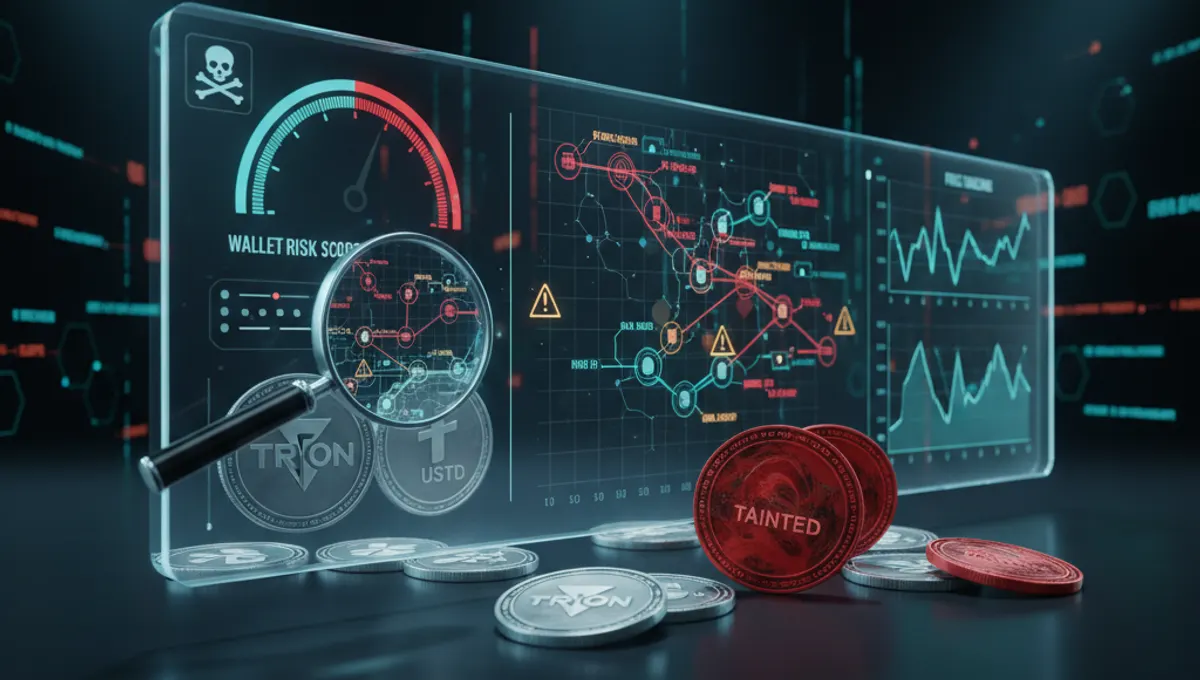
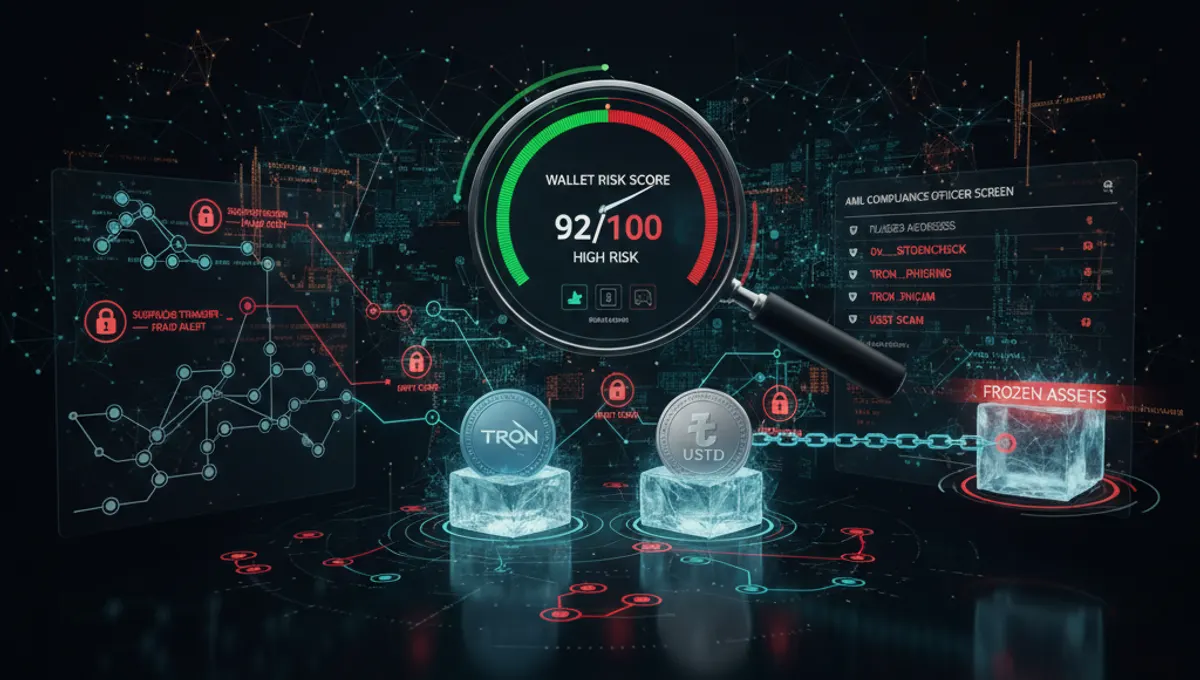
AML risk scoring assigns a numerical or categorical rating to a wallet or transaction based on its history and behavior. Risk scores typically range from low (clean, no red flags) to high (strong indicators of illicit activity). Scoring algorithms evaluate multiple factors: whether the address has received funds from known theft incidents, ransomware payments, or darknet markets; whether it has interacted with mixers or tumblers; transaction velocity and size anomalies; and whether it appears on sanctions lists. When you receive USDT or TRX, an AML check screens the sending address against these criteria and returns a risk score. A low score indicates the coins are likely clean. A high score means the funds may be tainted, and receiving them could trigger exchange freezes or account bans. Risk thresholds vary by institution; some exchanges accept only low-risk deposits, while others flag medium-risk transactions for manual review. Understanding risk scores helps you avoid receiving stolen or sanctioned funds that could lock your account or result in regulatory action.
What Happens When Exchanges Detect Tainted Coins
When an exchange detects that a deposit contains tainted coins—funds linked to theft, ransomware, or sanctions—it may freeze the account, reject the deposit, or flag it for compliance review. Frozen USDT and other assets can remain locked for weeks or months while the exchange investigates. In severe cases, the exchange may permanently close the account and forfeit the funds to comply with regulatory requirements. Exchanges use transaction monitoring and AML checks to screen all incoming deposits. If a wallet address matches a sanctions list or is flagged as high-risk, the deposit is blocked before it reaches your account. Even if the coins were received unknowingly, the exchange is not obligated to release them; the burden falls on you to prove the funds are legitimate. This is why checking a wallet address before receiving crypto is critical. By screening the sender's address through an AML service before accepting the transfer, you can avoid receiving dirty crypto and the account freezes that follow. Refer to our curated list of verified AML services to screen wallets before accepting deposits.
How to Check if a Crypto Address Is Traceable and High-Risk
To check if a wallet address is traceable and carries high risk, follow these steps: First, obtain the wallet address from the sender. Second, visit a blockchain explorer (such as official project explorers) and search the address to view its transaction history, balance, and associated activity. Third, use an AML screening service to run a compliance check on the address. The service will scan the address against sanctions lists, theft databases, darknet market records, and mixer detection algorithms, then return a risk score and detailed report. Fourth, review the report for red flags: Does the address have a history of mixing or tumbling. Has it received funds from known hacks or ransomware attacks. Is it flagged on any sanctions list. Does it show rapid fund movements or other suspicious patterns. Fifth, decide whether to accept the transfer based on the risk level. Our verified AML services page lists trusted tools for wallet screening; starting there ensures you use reputable providers with up-to-date threat intelligence.
Why Crypto Transaction Monitoring Matters for Compliance
Crypto market transactions monitoring is essential for compliance because it prevents your account from becoming a conduit for illicit funds. Regulators hold exchanges and custodians accountable for the sources of deposits; if you receive stolen or sanctioned crypto, your account can be frozen even if you were unaware of the origin. Monitoring also protects you: by screening wallets before accepting transfers, you avoid the legal and financial consequences of handling tainted coins. Businesses and individuals who accept crypto payments must implement transaction monitoring to meet KYC and KYT (Know Your Transaction) requirements. This means screening both the sender and the transaction itself for compliance risk. Failure to monitor can result in regulatory fines, account closures, and reputational damage. For personal users, the practical benefit is simple: a quick AML check before receiving crypto prevents frozen accounts and lost funds. The blockchain's transparency means that illicit transactions are increasingly detectable; the only defense is to verify the source of incoming funds before accepting them.
Frequently asked questions
Can police trace Bitcoin and crypto transactions
Yes. Law enforcement uses blockchain explorers, transaction monitoring tools, and subpoenas to trace Bitcoin and other crypto transactions. When a wallet is linked to an exchange account or known entity through KYC records, the transaction history becomes attributable to that person. Mixers and privacy techniques slow tracing but do not prevent it; most major cryptocurrencies are fully traceable on the public ledger.
How long does it take to trace a crypto transaction
Tracing a transaction on the blockchain is instant; the data is publicly visible immediately. However, de-anonymizing a wallet address—linking it to a real person—takes longer and depends on how the address is used. If it connects to an exchange, the exchange can identify the owner within hours. If it remains isolated, tracing may take weeks or require law enforcement involvement.
What is a good risk score for receiving crypto
A low risk score (typically 0–25 on a 0–100 scale, depending on the service) indicates clean funds with no known illicit history. Medium risk (26–75) warrants caution and manual review. High risk (76–100) suggests strong indicators of theft, sanctions, or darknet activity and should be rejected. Thresholds vary by exchange; most accept only low-risk deposits.
Can I get my account unfrozen if I received tainted coins
Possibly, but it depends on the exchange and the severity of the violation. If the coins were received unknowingly, contact the exchange's compliance team with documentation proving you were unaware of the source. Some exchanges may release funds after investigation; others may permanently close the account. Prevention through AML screening before accepting transfers is the safest approach.
Do all cryptocurrencies have the same traceability
No. Bitcoin, Ethereum, USDT, and TRX are fully traceable on public blockchains. Privacy coins like Monero use encryption to hide transaction details and are harder to trace. However, most exchanges delist privacy coins due to regulatory pressure, making them less practical for regulated transactions. For compliance purposes, assume all major cryptocurrencies are traceable.