How Stolen Crypto Can Be Recovered
Recovery depends on where your funds went and who holds them. If stolen coins land on a regulated exchange, that exchange may freeze the account when notified by law enforcement or through AML screening. Blockchain analysis firms can trace transactions across addresses and identify when stolen funds enter a regulated platform. If the thief attempts to convert crypto to fiat currency, exchanges performing KYC checks will flag the account during withdrawal. Law enforcement agencies in some jurisdictions work with exchanges to recover and return stolen funds, though this process is slow and not guaranteed. Private recovery services exist but vary widely in legitimacy and success rates. The most realistic scenario involves cooperation between you, your exchange, law enforcement, and blockchain analysts to identify and freeze stolen funds before they're cashed out.
Can Stolen Crypto Be Traced on the Blockchain
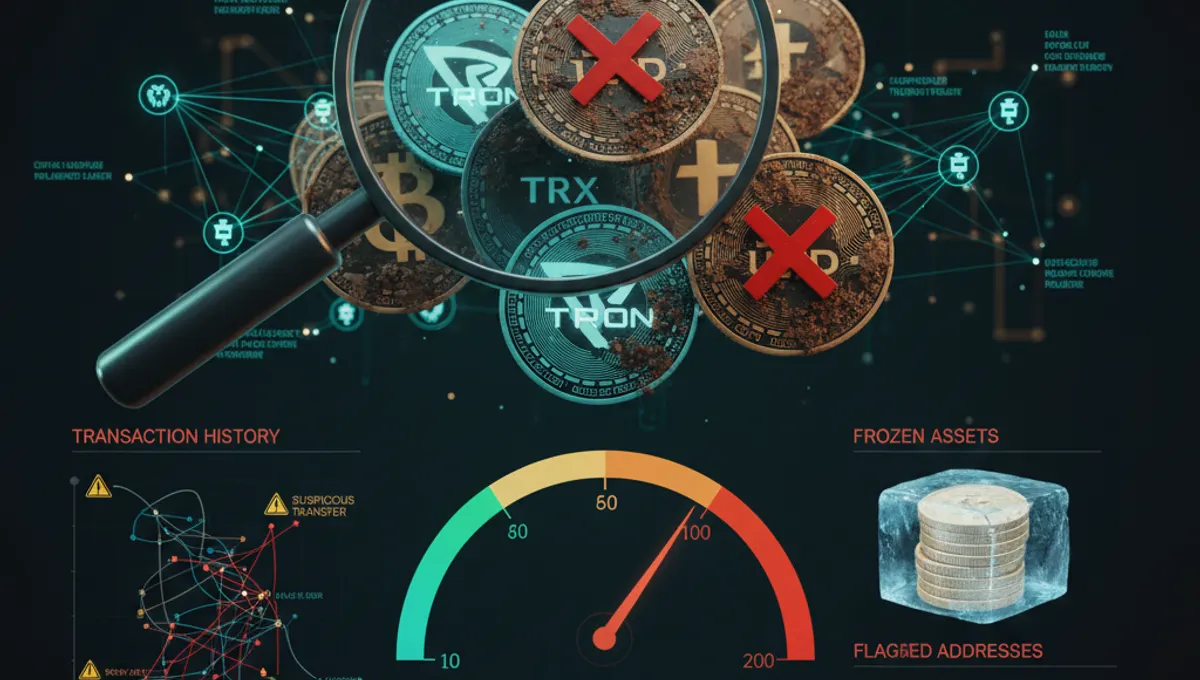
Yes, stolen crypto transactions can be traced because every transaction is recorded on the blockchain. Unlike cash, crypto leaves a permanent, public trail. Blockchain analysis tools track wallet addresses, identify patterns, and flag suspicious activity. If stolen funds move through mixers or tumblers designed to obscure their origin, tracing becomes harder but not impossible—analysts can identify mixing patterns and follow coins as they exit. The challenge is that tracing alone doesn't recover funds; it only identifies where they are. Once identified, recovery requires intervention by an exchange, law enforcement, or a court order. Sanctioned entities and darknet market addresses are already flagged in AML databases, so coins linked to these sources trigger automatic freezes on compliant exchanges. This is why checking whether received crypto is tainted matters: if you accept stolen funds unknowingly, your own account may be frozen during AML screening.
What to Do Immediately After Discovering Theft
Act within hours, not days. First, document everything: the wallet address, transaction hash, amount, date, and how the theft occurred. Report the theft to your local law enforcement and provide them with blockchain evidence. Contact the exchange where the stolen funds were sent, if known, and report the incident; many exchanges have fraud teams that can freeze accounts. File a report with the FBI's Internet Crime Complaint Center (IC3) if you're in the US, or your country's equivalent. Preserve all communications, screenshots, and transaction records. If you use a wallet service or exchange, report the incident through their support channels immediately. Do not attempt to recover funds yourself by sending additional crypto or engaging with the thief. Notify your bank if the theft involved a compromised payment method. The sooner exchanges and law enforcement are aware, the higher the chance that stolen coins will be frozen before they're moved or converted.
How AML Screening Flags Stolen Crypto
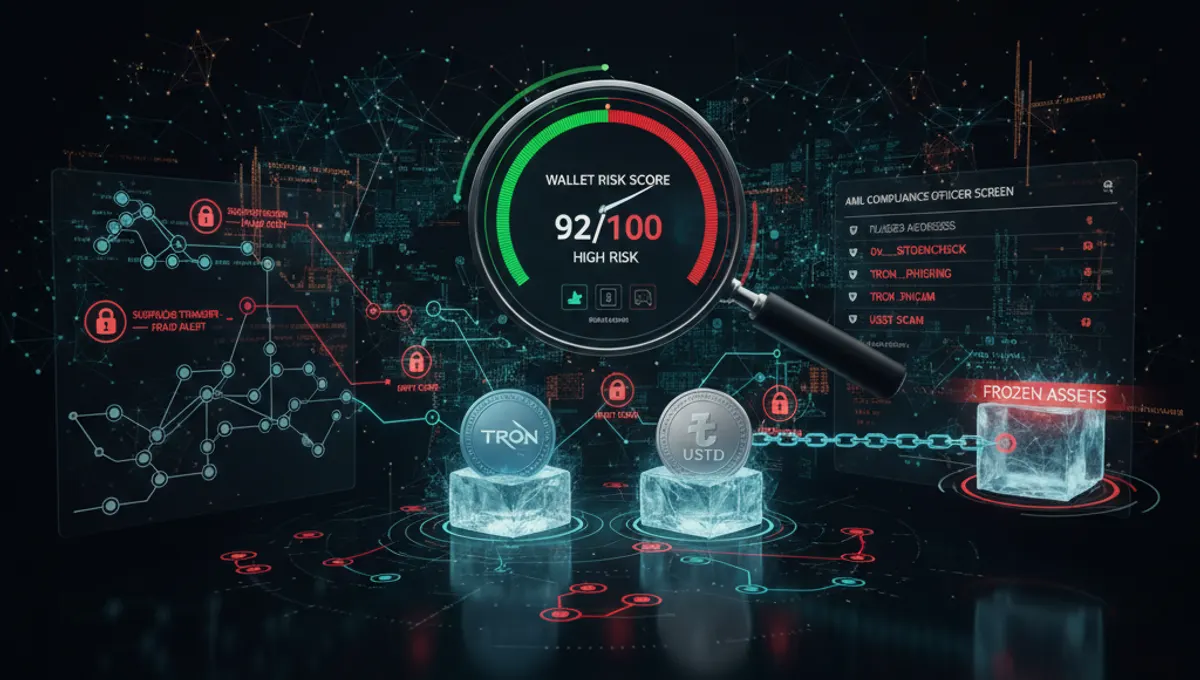
When you receive crypto, exchanges and wallet services run AML checks to assign a risk score to the transaction. This score reflects whether the coins are linked to theft, sanctions, darknet markets, gambling, mixers, or scams. If received coins are flagged as tainted or high-risk, your account may be frozen or restricted during withdrawal. This is frustrating if you received stolen funds unknowingly, but it's also a recovery mechanism: frozen accounts signal that stolen coins have been identified. Blockchain analysis firms maintain databases of known stolen addresses, sanctioned wallets, and darknet market addresses. When coins from these sources move through a regulated exchange, AML systems trigger alerts. Risk scores typically range from low (clean, no suspicious history) to high (direct links to theft or sanctions). Before accepting large crypto transfers, you can screen the sending address through AML services to verify the coins aren't tainted. This protects you from inadvertently receiving stolen funds and facing account restrictions.
Can You Recover Stolen Crypto from an Exchange
If stolen funds land on a regulated exchange and you report the theft promptly, recovery is possible but not guaranteed. Exchanges have anti-money laundering obligations and will cooperate with law enforcement. When notified of a theft, they can freeze the receiving account and prevent the thief from withdrawing or converting the funds. However, exchanges cannot simply return the crypto to you; they must follow legal procedures. In some jurisdictions, law enforcement can obtain a court order to release frozen funds back to the victim. This process typically takes weeks or months. If the thief has already withdrawn the funds or moved them to an unregulated wallet, recovery becomes much harder. Exchanges are more likely to cooperate if you provide clear evidence of theft: police report, transaction records, and proof of ownership. If the stolen funds were converted to fiat and withdrawn, recovery depends on whether the exchange can trace the bank transfer and work with financial institutions. The key is reporting quickly, before the thief has time to move or cash out the stolen crypto.
Checking Received Crypto to Avoid Stolen Funds
Before accepting a large crypto transfer, verify that the sending address is not flagged as tainted. Use an AML screening service to check the wallet address for risk factors: theft history, sanctions links, darknet association, mixer usage, or scam involvement. Most AML services assign a risk score; low scores indicate clean coins, while high scores suggest tainted funds. If you're receiving USDT on Tron (TRC20), Bitcoin, or Ethereum, screen the sending address first. This takes minutes and protects you from inadvertently receiving stolen crypto. If you do receive flagged coins, your exchange account may be frozen during AML checks, and you'll face delays or restrictions. In severe cases, exchanges may close your account. The safest approach is to screen addresses before accepting transfers. Our site's curated list of verified AML services provides reliable tools for wallet screening; checking through trusted services listed there is the safest starting point. Document the screening result in case you need to prove due diligence later.
Legal and Civil Recovery Options
If law enforcement recovery fails or is too slow, civil litigation is an option in some jurisdictions. You can sue the thief or the exchange (if negligence contributed to the theft) to recover damages. However, crypto litigation is expensive, slow, and outcomes are uncertain. Courts in different countries treat crypto theft differently; some recognize it as property theft, while others have not yet established clear precedent. If the thief is in a different country, enforcement becomes nearly impossible. Insurance is another avenue: some crypto custody services and exchanges offer theft insurance, though coverage limits and exclusions vary. Check your service's terms to see if theft is covered. For large thefts, hiring a blockchain analysis firm to trace the funds may be worth the cost; they can provide evidence for law enforcement or civil proceedings. Recovery services exist but are often scams themselves; verify any recovery service's legitimacy before paying fees. The realistic expectation is that most stolen crypto is not recovered, but acting quickly and using legitimate channels (law enforcement, exchanges, AML services) gives you the best chance.
Frequently asked questions
Can stolen crypto be recovered if it's already been moved to a mixer
Tracing becomes harder but not impossible. Blockchain analysts can identify mixing patterns and follow coins as they exit mixers. However, recovery still requires intervention by law enforcement or an exchange. If mixed coins eventually reach a regulated platform, AML screening may flag them. Without exchange cooperation or law enforcement action, recovery is unlikely.
What happens if I receive stolen crypto without knowing it
Your exchange account may be frozen during AML screening if the coins are flagged as tainted. You'll face delays or restrictions on withdrawals. In severe cases, the exchange may close your account. Screen incoming transfers before accepting them to avoid this. If it happens, contact your exchange's support team and provide evidence that you received the funds unknowingly.
How long does it take to recover stolen crypto through law enforcement
Recovery through law enforcement typically takes weeks to months, if it happens at all. The process involves filing a report, investigation, identifying the thief's exchange account, obtaining a court order, and coordinating with the exchange. Speed depends on jurisdiction, case complexity, and exchange cooperation. Acting quickly increases your chances, but patience is required.
Can I recover stolen crypto if the thief cashed it out to a bank account
Recovery is much harder if the thief converted crypto to fiat and withdrew it. You'd need law enforcement to trace the bank transfer and work with financial institutions, which is slow and often unsuccessful. If the bank account is in a different country, enforcement becomes nearly impossible. Prevention through quick reporting is your best option.
Should I hire a recovery service to get my stolen crypto back
Be cautious. Many crypto recovery services are scams that charge upfront fees and deliver nothing. Legitimate blockchain analysis firms exist but are expensive and don't guarantee recovery. Focus first on reporting to law enforcement and your exchange. If you hire a service, verify its legitimacy and avoid paying large upfront fees.