What Is a TRC20 AML Check and Why It Matters
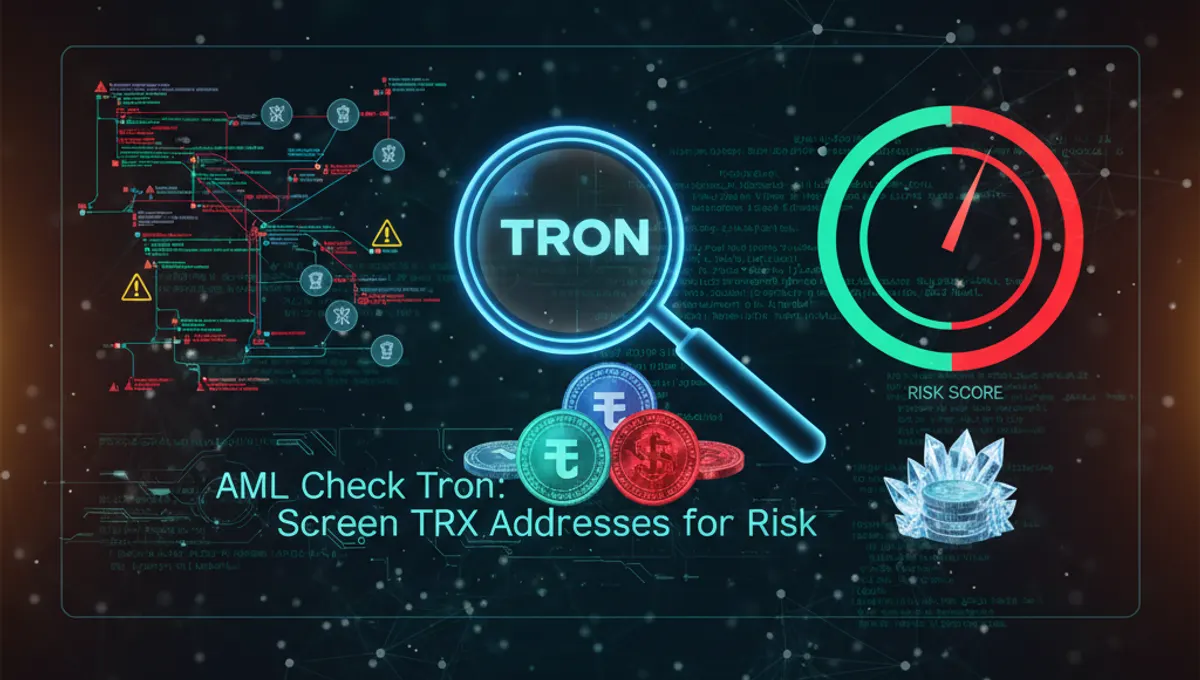
TRC20 is the token standard for assets on the Tron blockchain, most commonly USDT (Tether). An AML check on a TRC20 address screens that wallet's transaction history and associated entities against risk indicators: mixers, darknet markets, scams, stolen funds, and sanctioned entities. When you receive USDT or TRX, the sending address carries its own history. If that address has been flagged for illicit activity, exchanges may freeze your deposit or ban your account, even if you had no knowledge of the source. A TRC20 AML check process identifies these risks upfront, allowing you to reject suspicious transfers or investigate further before accepting funds.
How AML Check Scoring Works for Crypto Wallets
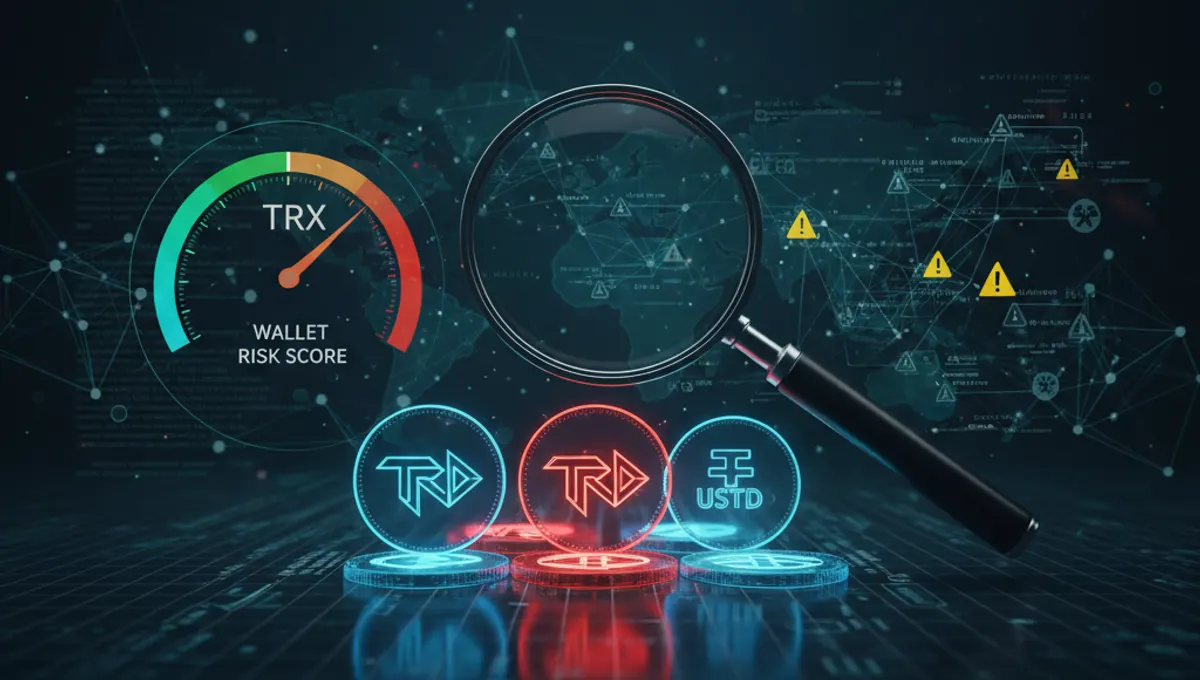
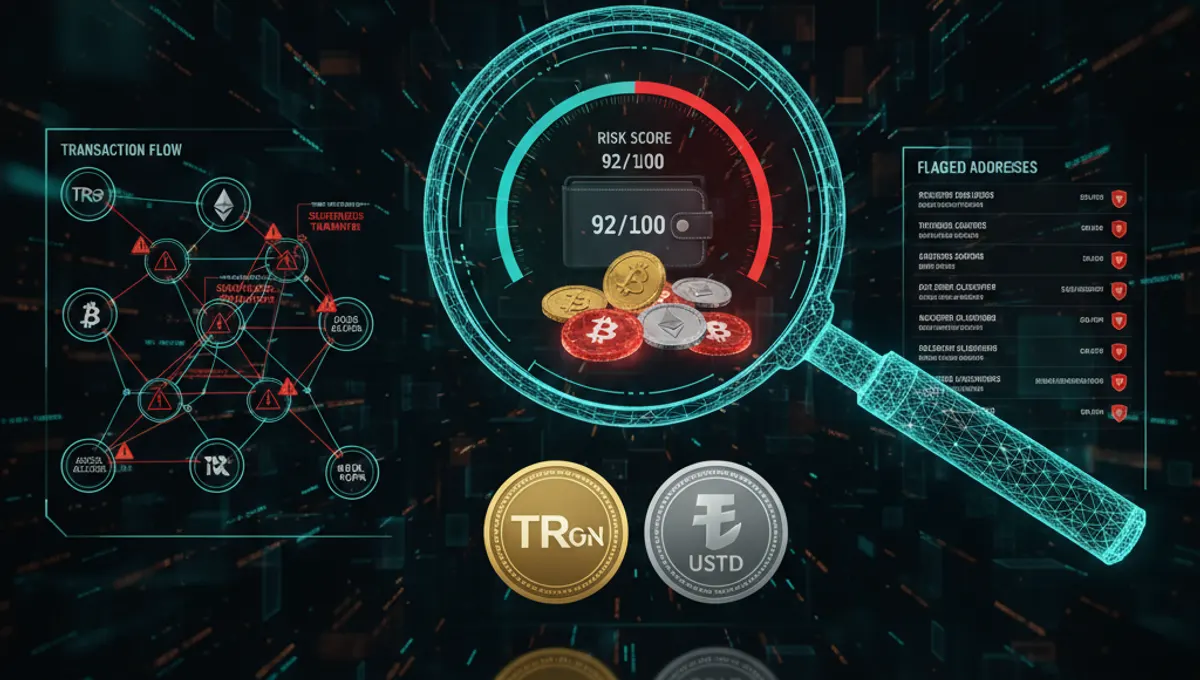
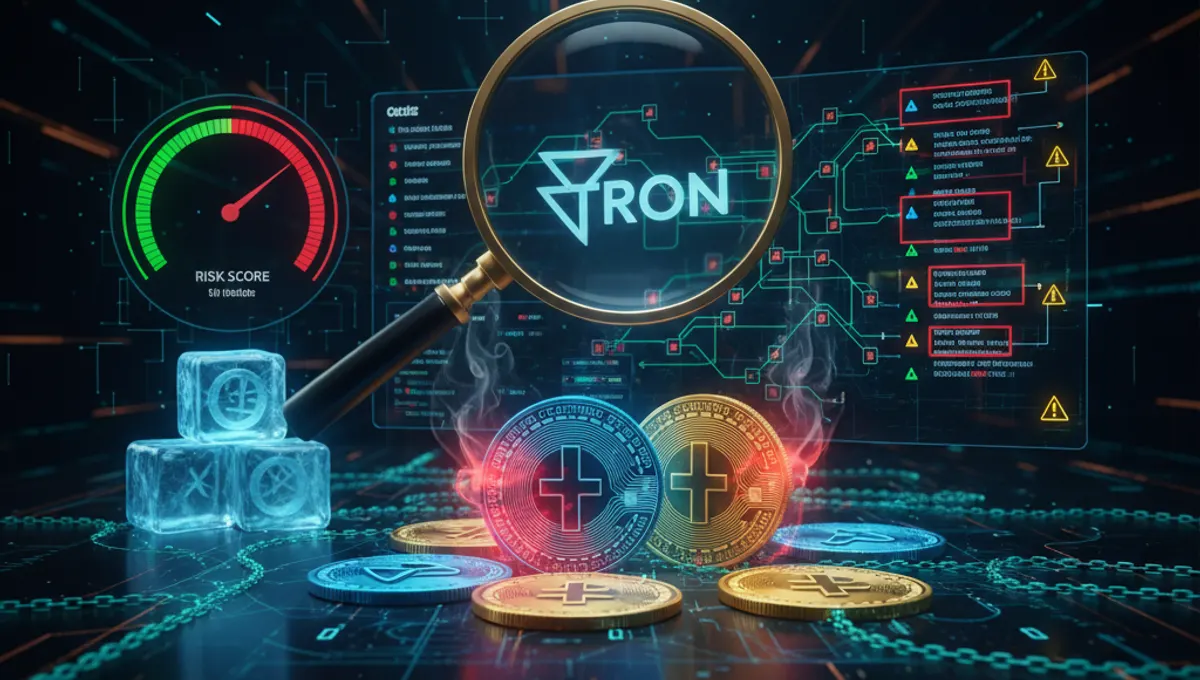
AML check services assign a risk score to each address, typically on a scale from 0 (clean) to 100 (high risk). The scoring algorithm examines: transaction patterns, cluster analysis (grouping wallets controlled by the same entity), historical labels (known mixers, exchanges, scams), and sanctions list matches. A low risk score (0–20) suggests the address has minimal illicit exposure. Medium risk (21–50) may indicate some exposure to mixing services or unverified entities but not necessarily illegal activity. High risk (51–100) flags direct links to darknet markets, stolen funds, or sanctioned entities. Most exchanges accept deposits from addresses scoring below 20–30, though thresholds vary by institution. Understanding these bands helps you decide whether to proceed with a transfer or request clarification from the sender.
Step-by-Step: How to Check a TRC20 Address Before Transfer
Follow these steps to perform an AML check on a TRC20 address:
- Obtain the full Tron address (begins with 'T') and confirm it matches the sender's stated address.
- Visit a trusted AML check service from our curated AML Services list on this site.
- Paste the address into the screening tool.
- Review the risk score and detailed report, which typically includes transaction history, linked entities, and any flags.
- Check the report for specific risk categories: mixer exposure, darknet links, scam associations, or sanctions matches.
- If the score is low and no red flags appear, the transfer is likely safe to accept.
- If the score is high or flags are present, contact the sender to clarify the address or decline the transfer.
This process takes minutes and prevents costly account freezes or compliance violations.
Understanding AML Check Requirements and Risk Thresholds
Regulatory frameworks and exchange policies define acceptable AML check requirements. Most centralized exchanges require incoming USDT and TRX transfers to originate from addresses with a risk score below 30. Some stricter institutions set the threshold at 20. Decentralized wallets and peer-to-peer transfers have no mandatory requirement, but performing an AML check crypto screening yourself is prudent to avoid receiving stolen or sanctioned funds. The AML check requirements also depend on your jurisdiction: some countries enforce stricter KYT (Know Your Transaction) rules than others. If you operate a business accepting crypto, your compliance obligations may be higher. Checking addresses proactively demonstrates due diligence and protects you from regulatory penalties or account suspension.
What Happens When a TRC20 Address Is Flagged
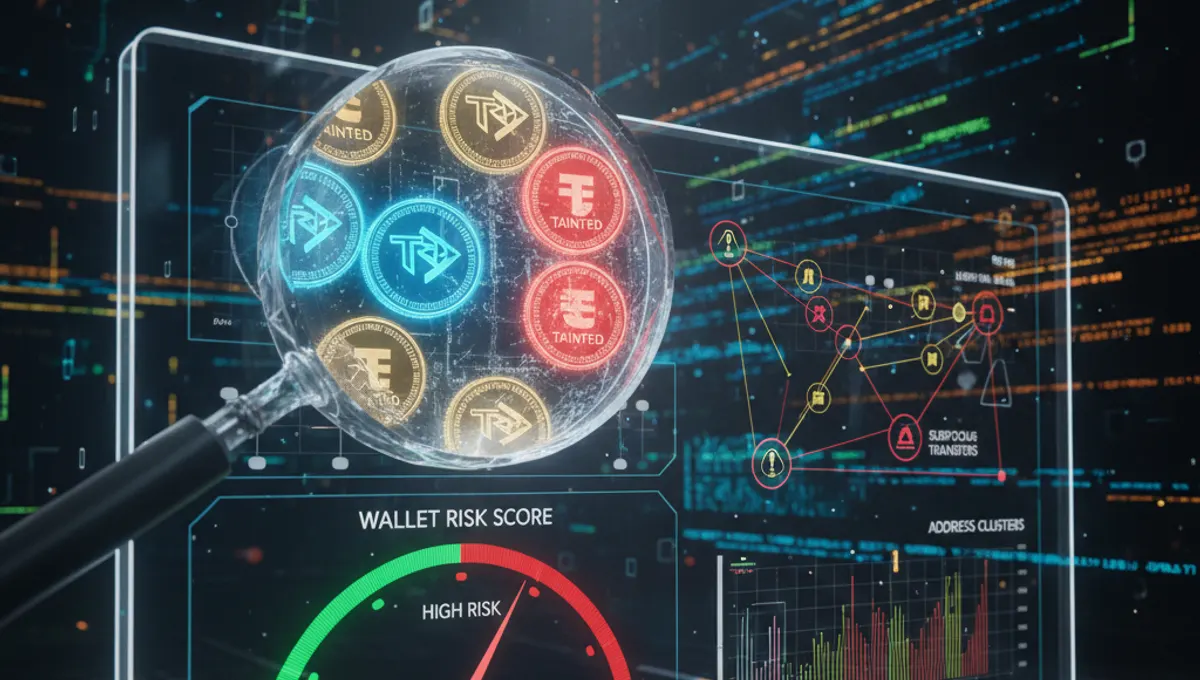
If an AML check flags a TRC20 address as high risk, several outcomes are possible. Exchanges may reject the deposit outright, returning the funds to the sender. If the deposit is accepted but later flagged during post-transaction monitoring, the exchange can freeze your account pending investigation. Frozen USDT or TRX may remain locked for weeks or indefinitely. In severe cases, exchanges report suspicious activity to financial authorities, triggering regulatory inquiries. If the address is linked to sanctions or known theft, law enforcement may become involved. To avoid this, decline transfers from flagged addresses or request the sender use a different, verified address. If you have already received flagged funds, contact your exchange's compliance team immediately to explain the situation and provide evidence of due diligence (such as your AML check report). Transparency and early disclosure improve outcomes.
AML Check Fee and Cost Comparison
AML check fees vary widely depending on the service and scope. Some platforms offer limited free scans (typically 1–5 checks per month) with basic risk scoring. Paid plans range from a few dollars per check to subscription models costing $20–100 per month for unlimited screening. Enterprise services for businesses charge higher fees based on transaction volume. When evaluating AML check cost, consider: frequency of use, depth of reporting needed, and integration with your workflow. A free AML check crypto option is suitable for occasional personal transfers, but businesses and frequent traders benefit from paid services offering detailed reports, API access, and transaction monitoring. Our AML Services page lists verified providers with transparent pricing, helping you choose the right tool for your needs without overpaying for unused features.
Best Practices for Avoiding Tainted Coins and Frozen Accounts
Protect yourself by adopting these practices:
- Always perform a TRC20 AML check before accepting large transfers, especially from unknown senders.
- Request the sender provide proof of the address origin (exchange receipt, business documentation).
- Use addresses from reputable exchanges or verified business partners whenever possible.
- Avoid accepting USDT or TRX from addresses with mixer exposure or darknet associations.
- Keep records of your AML checks for compliance audits.
- If you operate a business, implement transaction monitoring to flag suspicious patterns.
- Educate yourself on common scam vectors: phishing, fake invoices, and social engineering that lead to receiving stolen funds.
These steps reduce the risk of account freezes, regulatory penalties, and loss of access to your funds. Compliance is not just a regulatory burden—it protects your financial security and reputation.
Frequently asked questions
What does AML check mean in crypto?
An AML check is an anti-money laundering screening that examines a blockchain address for illicit activity, stolen funds, sanctions exposure, and darknet links. It assigns a risk score to help you decide whether to accept or reject a transfer. Most exchanges require incoming addresses to pass AML checks to prevent account freezes.
How much does a TRC20 AML check cost?
Costs range from free (limited checks per month) to $5–20 per check or $20–100 per month for subscriptions. Enterprise services charge more. Free options suit occasional users; businesses benefit from paid plans with detailed reporting and API access. Check our AML Services page for transparent pricing.
Can I get my USDT back if it's flagged as stolen?
Recovery depends on the circumstances. If you received stolen USDT unknowingly, contact your exchange's compliance team immediately with proof of due diligence. Exchanges may release funds after investigation, but there is no guarantee. Prevention through AML checks before accepting transfers is more effective than recovery.
What risk score is acceptable for a TRC20 address?
Most exchanges accept addresses with a risk score below 20–30. Scores above 50 indicate high risk and are typically rejected. Your threshold depends on your exchange and jurisdiction. Perform an AML check to see your address's score and decide whether to proceed.
How long does an AML check take?
Most AML checks complete in seconds to a few minutes. You paste the address, the service scans blockchain data and risk databases, and generates a report instantly. This speed makes it practical to screen addresses before every significant transfer.