What Is an AML Check and Why It Matters
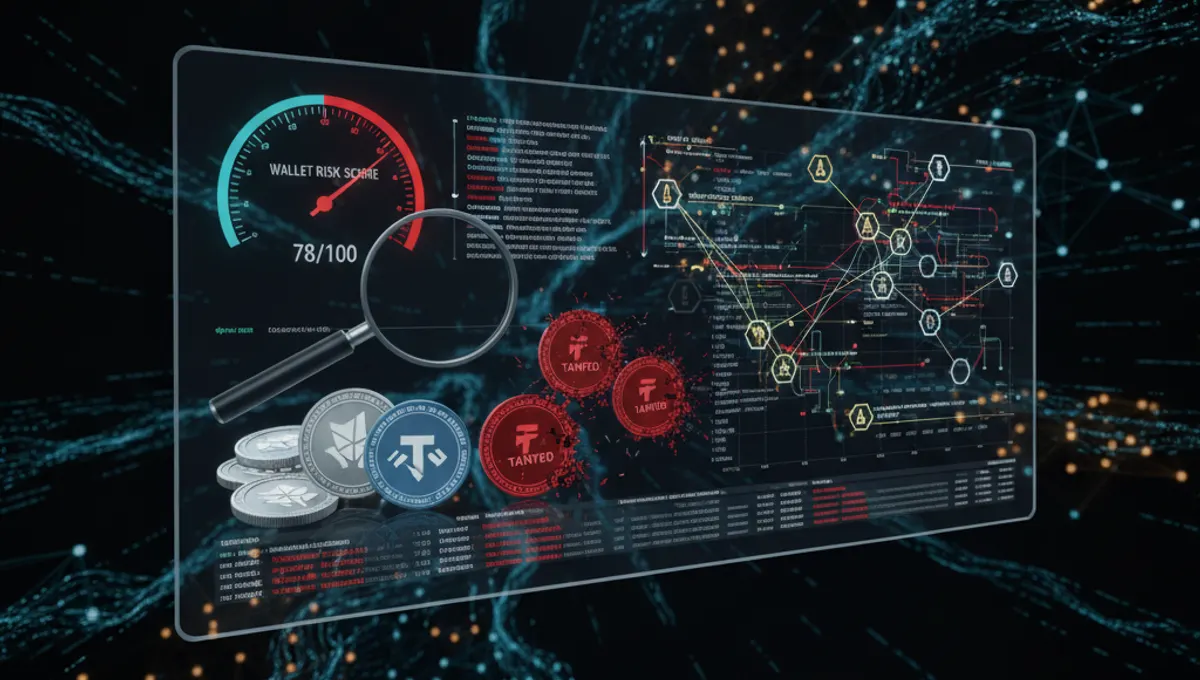
AML stands for anti-money laundering. In crypto, an AML check screens a wallet address against multiple data sources: transaction history, known darknet markets, mixer services, theft databases, and sanctions lists. The check produces a risk score that indicates whether the wallet has been linked to illegal activity, stolen funds, or sanctioned entities. Why it matters: exchanges and custodians use AML checks to comply with financial regulations. If you receive coins flagged as high-risk, your exchange account may be frozen, your funds held in compliance review, or your withdrawal rejected. Even if you didn't know the coins were tainted, you can still face consequences. A basic AML check takes seconds and costs little or nothing; skipping it can cost you thousands.
How Long Does an AML Check Take
Most AML checks complete in seconds to minutes. When you submit a wallet address to a screening service, the system queries blockchain data and cross-references it against known risk databases in real time. A simple address-only check typically finishes within 30 seconds. More detailed transaction history analysis may take 1–5 minutes, depending on the wallet's age and transaction volume. Some services offer batch checks of multiple addresses, which can take longer if processing hundreds of wallets. The speed depends on the service's infrastructure and database size. For urgent situations, instant checks are standard; delays usually indicate a service is overloaded or performing deeper forensic analysis. When you're about to receive a large transfer, run the check before accepting the coins—most services return results fast enough to make a decision in real time.
AML Check Process and What It Screens
The AML check process follows these steps:
- You enter a wallet address (TRX, USDT, BTC, ETH, etc.).
- The service queries the blockchain to retrieve the wallet's transaction history.
- The system cross-references the address against multiple databases: darknet market wallets, mixer services, theft reports, sanctions lists (OFAC, EU, UN), and scam registries.
- The service analyzes transaction patterns—frequency, size, direction, and counterparties—to detect suspicious behavior.
- A risk score is generated, typically on a scale (e.g., 0–100, low/medium/high). What it screens: incoming and outgoing transactions, wallet age, transaction frequency, connection to known bad actors, and exposure to high-risk services. The check does not access your private keys or personal data; it only examines on-chain activity visible to everyone.
AML Check Risk Score Levels and What They Mean
Risk scores vary by service but generally follow this pattern: Low (0–20): Minimal risk; wallet shows normal activity, no darknet links, no theft history. Medium (21–60): Some caution needed; wallet may have interacted with mixers, gambling platforms, or exchanges with weaker compliance. High (61–100): Significant risk; wallet linked to darknet markets, stolen funds, sanctions violations, or scam activity. Acceptable thresholds depend on your use case. For receiving payments at an exchange, aim for low risk (under 20). For peer-to-peer trades, medium risk may be acceptable if you trust the counterparty. Never accept high-risk coins unless you have explicit legal or compliance approval. Some exchanges automatically reject deposits above a certain threshold; others flag them for manual review. Always check the risk score before moving coins to an exchange or custodian.
AML Check Requirements and Compliance Standards
AML check requirements vary by jurisdiction and institution. Regulated exchanges and custodians are required by law to screen incoming deposits for sanctions and money-laundering risk. The standards come from financial regulators (FinCEN in the US, FCA in the UK, FATF globally) and apply to any entity handling customer funds. For individuals, AML checks are not legally mandatory, but they are strongly recommended as a risk-management practice. If you receive tainted coins and deposit them at an exchange, the exchange's AML system will flag them, and your account may be frozen pending investigation. Some jurisdictions impose penalties on individuals who knowingly receive stolen or sanctioned funds. The safest approach: run an AML check on any significant incoming transfer before accepting it. Most trusted AML services on our verified services list follow international compliance standards and update their databases regularly to reflect new sanctions and threat intelligence.
What Happens If Your Wallet Is Flagged as High-Risk
If your wallet receives a high-risk AML score, several outcomes are possible. If you try to deposit those coins at an exchange: the deposit is rejected or held in compliance review, your account may be frozen temporarily or permanently, and you may be asked to provide proof of funds origin. If you already hold the coins in a self-custody wallet, they remain yours on-chain, but you cannot easily move them to regulated platforms. If the coins are linked to theft or sanctions, law enforcement may investigate the transaction. To recover from a high-risk flag:
- Identify why the wallet was flagged (mixer use, darknet link, theft report).
- If it's a false positive, contact the screening service with evidence.
- If the coins are legitimately yours but came from a risky source, document the transaction history and be prepared to explain it to an exchange.
- Consider using a coin consolidation or tumbling service (legal in most jurisdictions) to break the chain, though this may not remove the flag. The best strategy is prevention: verify the source before accepting large transfers.
How to Check a Wallet Before Receiving USDT or TRX
Step-by-step guide to screening a wallet before accepting a transfer:
- Ask the sender for their wallet address.
- Copy the address and verify it matches exactly—typos can redirect coins to a scammer.
- Visit a trusted AML screening service (our verified AML services list includes tested options).
- Paste the address into the check tool.
- Select the blockchain (Tron for TRX, Ethereum for USDT ERC20, Bitcoin for BTC, etc.).
- Run the scan and wait for results (usually under 1 minute).
- Review the risk score and any flagged activity.
- If low-risk, proceed with the transfer. If medium or high-risk, ask the sender for an explanation or decline. For ongoing relationships, run checks periodically—a wallet's risk profile can change if it receives coins from a compromised source. For large amounts (over $10,000 equivalent), always check both the sender's wallet and the intermediate wallets in the transaction chain if possible. This takes 5–10 minutes and can save you from frozen accounts or compliance issues.
Frequently asked questions
How long does an AML check take on a crypto wallet
Most AML checks complete in seconds to a few minutes. A basic address screening typically finishes within 30 seconds. Detailed transaction history analysis may take 1–5 minutes depending on wallet age and activity volume. Batch checks of multiple addresses take longer. Speed depends on the service's infrastructure and database size.
What is the AML check fee for crypto wallets
Many AML check services offer free basic screening for single addresses. Premium features like batch checks, detailed reports, or API access may charge fees ranging from a few dollars to monthly subscriptions. Some services charge per check; others offer unlimited checks for a flat rate. Compare pricing on our verified AML services list.
What does a high AML risk score mean for my crypto
A high AML risk score (typically 61–100) indicates the wallet is linked to darknet markets, stolen funds, sanctions violations, or scams. If you deposit high-risk coins at an exchange, your account may be frozen, funds held in compliance review, or withdrawal rejected. Avoid accepting high-risk transfers unless you have explicit legal approval.
Can I use an AML check to verify a TRX or USDT address before receiving it
Yes. Enter the Tron address (for TRX) or Ethereum address (for USDT ERC20) into an AML screening service, select the blockchain, and run the scan. Results appear in seconds to minutes. If the risk score is low, it's safe to receive the transfer. Always verify the address matches exactly before accepting coins.
What are the main AML check requirements for crypto exchanges
Regulated exchanges must screen incoming deposits for sanctions violations and money-laundering risk per FinCEN, FCA, and FATF standards. They flag high-risk wallets, freeze suspicious accounts, and may investigate fund origins. Individuals should run AML checks voluntarily to avoid account freezes and compliance penalties when depositing crypto.