What Is Blockchain Transaction Monitoring?
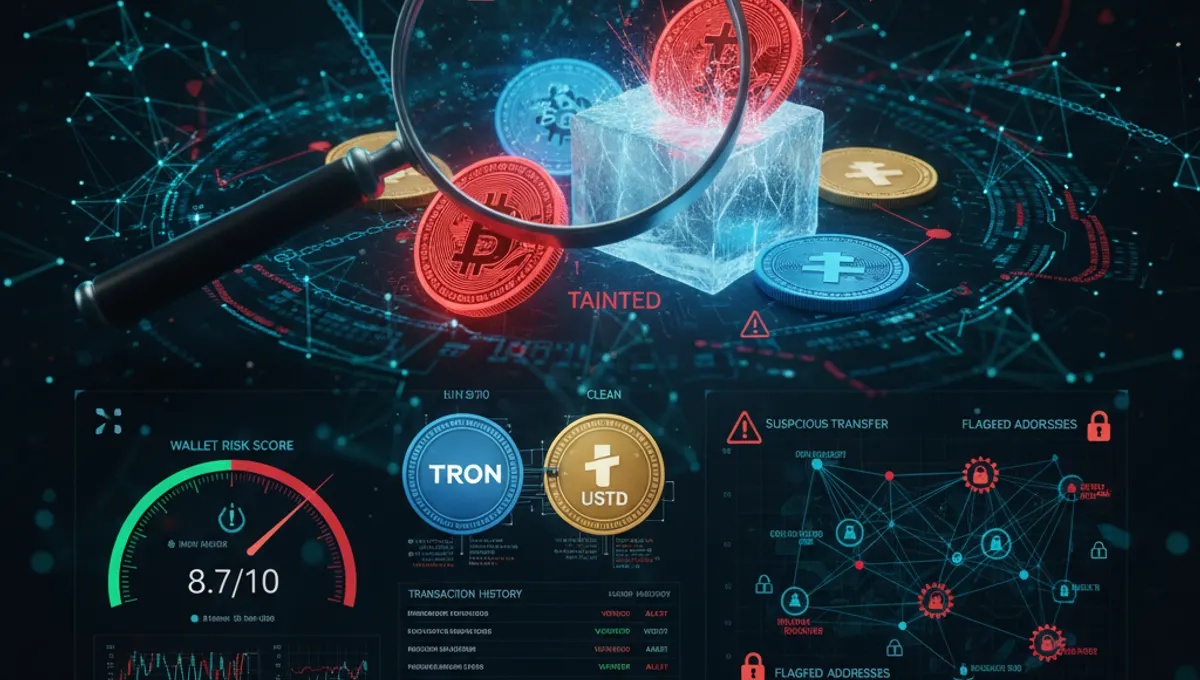
Blockchain transaction monitoring is a system that watches cryptocurrency transfers on-chain and flags transactions matching risk criteria. It works by analyzing wallet behavior, transaction history, and fund sources against known blacklists, sanctions databases, and behavioral patterns. When you monitor a blockchain transaction, the system checks whether coins have passed through mixers, darknet markets, or stolen-funds wallets. This differs from a one-time wallet check: monitoring is continuous and alerts you to new risks as they emerge. Exchanges and compliance teams use transaction monitoring to prevent money laundering, detect sanctions violations, and block frozen USDT or other tainted assets before they enter regulated systems.
How Does Cryptocurrency Transaction Monitoring Work?
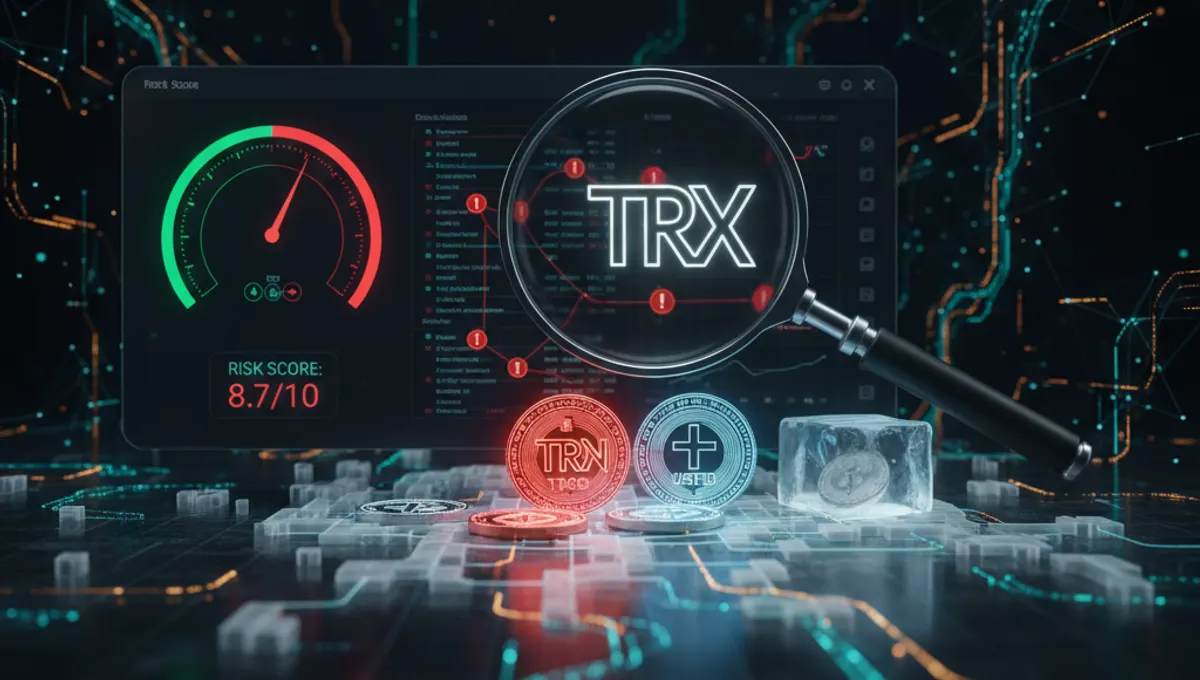
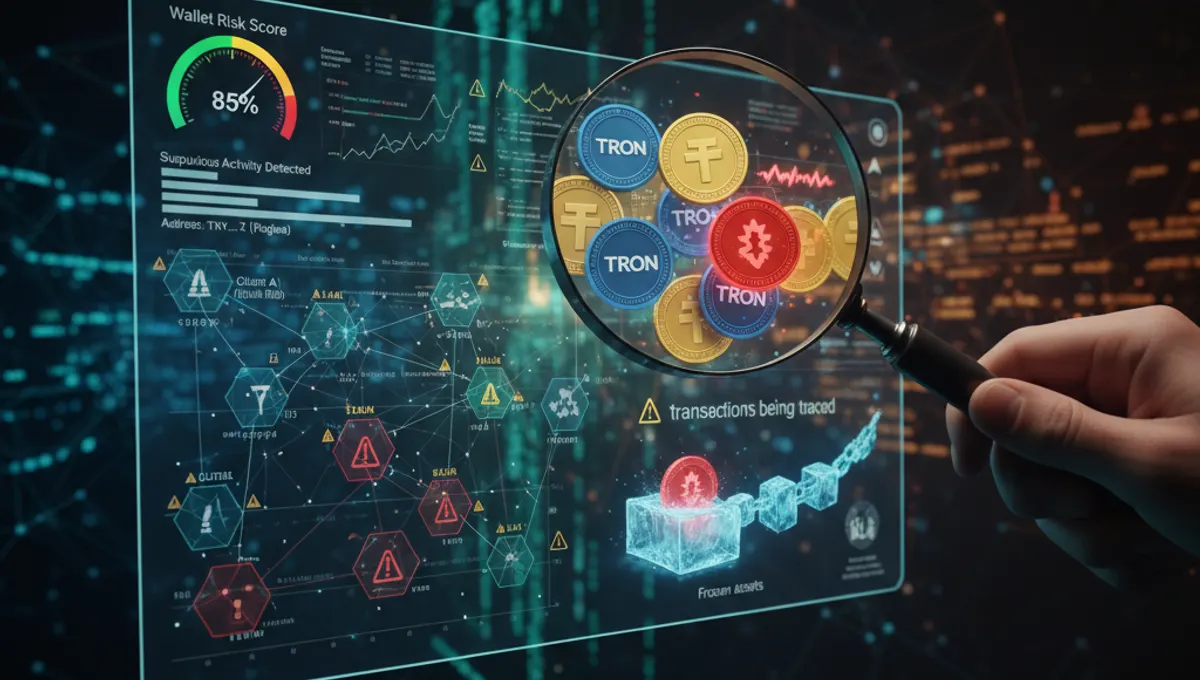
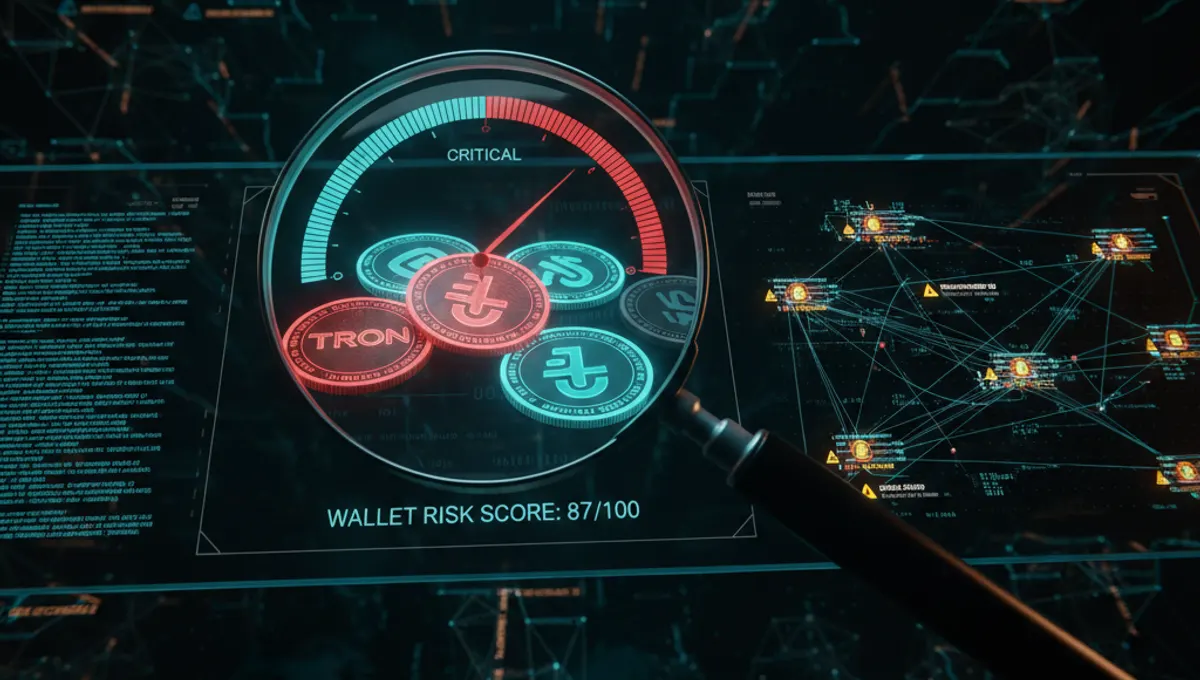
Cryptocurrency transaction monitoring operates in real time by tracking fund flows across blockchain networks. When a transaction is broadcast, monitoring systems analyze several factors: the source wallet's history, the destination address's risk profile, transaction size and frequency, and whether the funds have interacted with known high-risk entities. The system cross-references addresses against sanctions lists, stolen-funds databases, and known mixer or gambling wallets. If a transaction matches risk patterns—such as sudden large transfers from a newly created wallet, or coins originating from a darknet market—the monitoring tool flags it with a risk score. This score reflects the likelihood that the transaction involves illicit activity or compliance violations. Real-time alerts allow compliance teams to block or investigate transfers before settlement.
What Risk Categories Does Transaction Monitoring Detect?
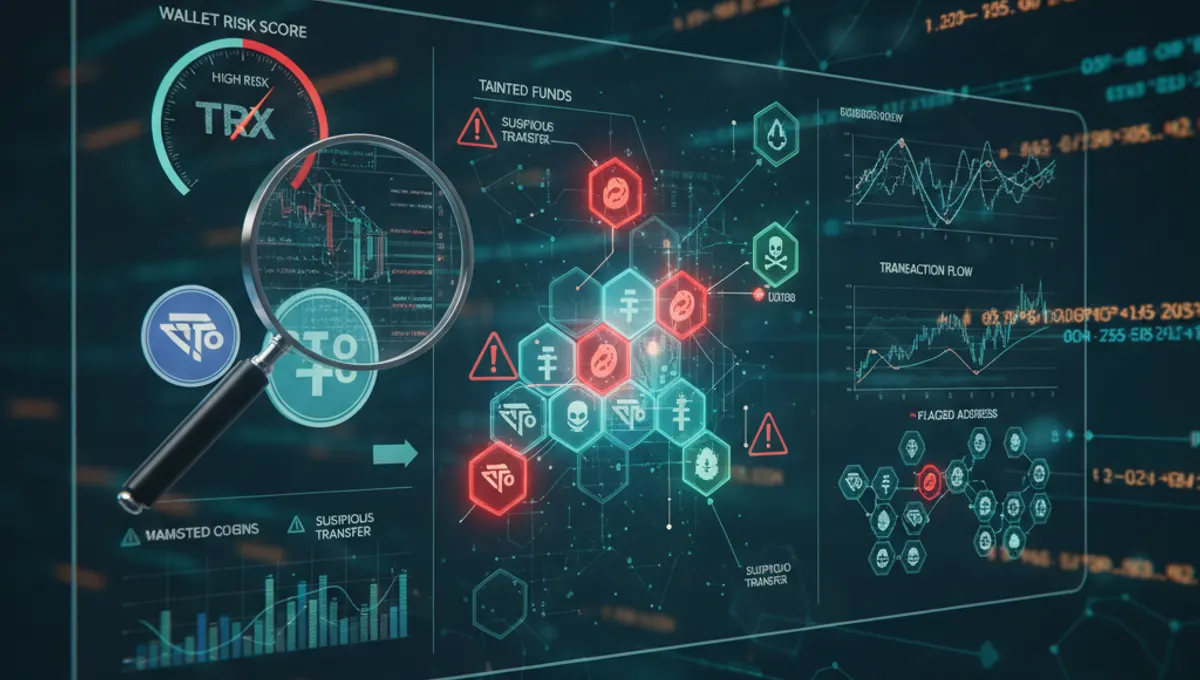
Blockchain transaction monitoring identifies several distinct risk categories that trigger alerts and risk scoring. These include: stolen funds (coins traced to theft or hacking incidents), sanctions exposure (transfers involving addresses linked to sanctioned entities or countries), mixer usage (coins passing through privacy mixers that obscure fund origins), darknet market activity (transactions connected to known illegal marketplaces), scam proceeds (funds from confirmed fraud or Ponzi schemes), gambling wallets (high-frequency transfers to gambling platforms), and unusual patterns (sudden spikes in transaction volume or transfers to newly created wallets). Each category carries different compliance weight: sanctions violations typically trigger immediate freezes, while mixer usage may result in a medium-risk score requiring manual review. Understanding these categories helps you assess whether flagged coins pose genuine compliance risk or represent false positives.
How to Check a Blockchain Transaction Before Receiving Funds
Before receiving USDT, TRX, BTC, or ETH, screen the sending wallet to avoid receiving tainted coins. Follow these steps:
- Obtain the sender's wallet address and note the blockchain network (Tron, Ethereum, Bitcoin, etc.).
- Visit a trusted AML transaction monitoring service—check our curated AML Services list on this site for verified providers that offer free or low-cost screening.
- Enter the wallet address and initiate a scan.
- Review the risk score: green (low risk, under 20%) means the wallet is clean; yellow (medium risk, 20–60%) requires investigation; red (high risk, over 60%) indicates likely compliance violations.
- Examine the detailed report for specific risk factors—if coins are flagged as stolen or sanctions-linked, decline the transfer.
- If the report shows mixer usage or gambling activity but no sanctions or theft flags, assess your compliance tolerance and consult your exchange's policy. This screening takes minutes and prevents receiving frozen coins that exchanges will reject or seize.
Understanding AML Transaction Monitoring Rules and Risk Scores
AML transaction monitoring rules define which activities trigger alerts and how risk scores are calculated. Most systems use a tiered approach: transactions below 20% risk are considered compliant and proceed without delay; 20–60% risk requires manual review by compliance staff; above 60% risk typically results in automatic blocking or freezing. Rules vary by jurisdiction and exchange policy, but common triggers include transactions from sanctioned addresses (automatic high risk), coins with darknet market history (medium to high risk), and transfers from mixers (medium risk, depending on context). Some systems apply transaction velocity rules—multiple large transfers in short periods raise risk scores even if individual transfers appear clean. AML transaction monitoring rules also consider wallet age: newly created wallets sending large sums carry higher risk than established wallets with consistent history. Understanding these thresholds helps you interpret monitoring reports and decide whether to proceed with a transaction or investigate further.
What Happens When Coins Are Flagged as High Risk?
When blockchain transaction monitoring flags coins as high risk, several outcomes are possible depending on where the funds are held. If the coins are in your personal wallet, you can hold them indefinitely, but exchanges will likely reject deposits or freeze them upon detection. If you attempt to deposit flagged coins on an exchange, the platform's compliance system will catch them during transaction monitoring and either reject the deposit or freeze your account pending investigation. Frozen USDT and other tainted assets may be permanently seized if they are confirmed as stolen or sanctions-linked. If the risk is medium (mixer usage or gambling history), some exchanges allow deposits after manual review, though your account may be flagged for enhanced monitoring. The safest approach: if a wallet screening shows high-risk coins, do not attempt to deposit them on regulated exchanges. Instead, consult the detailed report to understand the specific risk factor—if it is a false positive or low-confidence flag, contact the exchange's compliance team with evidence. Using transaction monitoring before receiving funds prevents this situation entirely.
Comparing Free and Paid Blockchain Transaction Monitoring Services
Free blockchain transaction monitoring tools offer basic screening suitable for individual users and small businesses. Free services typically provide a risk score and summary of major red flags (sanctions, theft, mixer usage) but limited detail on transaction history or behavioral analysis. Paid services offer deeper analytics: full transaction graphs showing fund flows over months, detailed mixer and darknet exposure tracking, custom alert thresholds, and API access for automated monitoring. For occasional wallet checks before receiving funds, free tools are sufficient. For businesses processing regular crypto payments or exchanges managing compliance, paid services provide the thoroughness required for regulatory confidence. Our AML Services page lists verified providers offering both free and paid options—start there to find a service matching your needs. Most reputable providers offer a free trial or limited free tier, allowing you to test screening before committing to a paid plan. Regardless of tier, ensure the service covers your blockchain networks (Tron, Ethereum, Bitcoin, etc.) and updates its sanctions and stolen-funds databases regularly.
Frequently asked questions
Is blockchain transaction monitoring free?
Many providers offer free blockchain transaction monitoring with basic features—risk scoring and major red flag detection. Full-featured monitoring with detailed transaction history and custom alerts typically requires a paid subscription. Check our AML Services page for verified free and paid options suited to your needs.
Can I use a blockchain transaction tracker free to check if coins are stolen?
Yes. Free blockchain transaction trackers compare wallet addresses against stolen-funds databases and flag coins with theft history. However, free tools may have limited historical data. For comprehensive stolen-coin detection, paid services offer deeper analysis and more frequent database updates.
What does a high risk score mean in cryptocurrency transaction monitoring?
A high risk score (typically above 60%) indicates the transaction or wallet has strong indicators of illicit activity: sanctions exposure, confirmed theft, or darknet market involvement. Exchanges will likely freeze or reject deposits of high-risk coins. Do not attempt to deposit flagged funds on regulated platforms.
How often should I monitor crypto transactions for AML compliance?
Screen wallets before receiving any cryptocurrency transfer, especially large amounts. If you process regular payments, set up continuous monitoring on your receiving addresses. Businesses must monitor all incoming transactions; individuals should screen before each significant deposit to avoid frozen accounts.
Does blockchain transaction monitoring work on all networks like Tron and Ethereum?
Most reputable monitoring services cover major networks including Tron (TRX, USDT TRC20), Ethereum, Bitcoin, and others. Verify that your chosen service supports the specific blockchain and token you need to screen before signing up.