What Is a Blockchain Transaction Tracker and Why You Need One
A blockchain transaction tracker displays all transactions recorded on a blockchain, indexed by wallet address, transaction hash, or block number. Each transaction is immutable and timestamped, making trackers a reliable source of truth for verifying transfers. Free trackers are publicly accessible and require no login, though some offer advanced features behind paywalls. You need a transaction tracker to confirm that funds have arrived, to check the sender's transaction history before accepting payment, and to identify red flags—such as transactions from known mixers, darknet markets, or sanctioned entities. Blockchain transaction monitoring is especially critical for businesses and individuals who accept cryptocurrency, as receiving tainted coins can trigger exchange account freezes or compliance issues.
How Blockchain Transaction Monitoring Works for AML Compliance
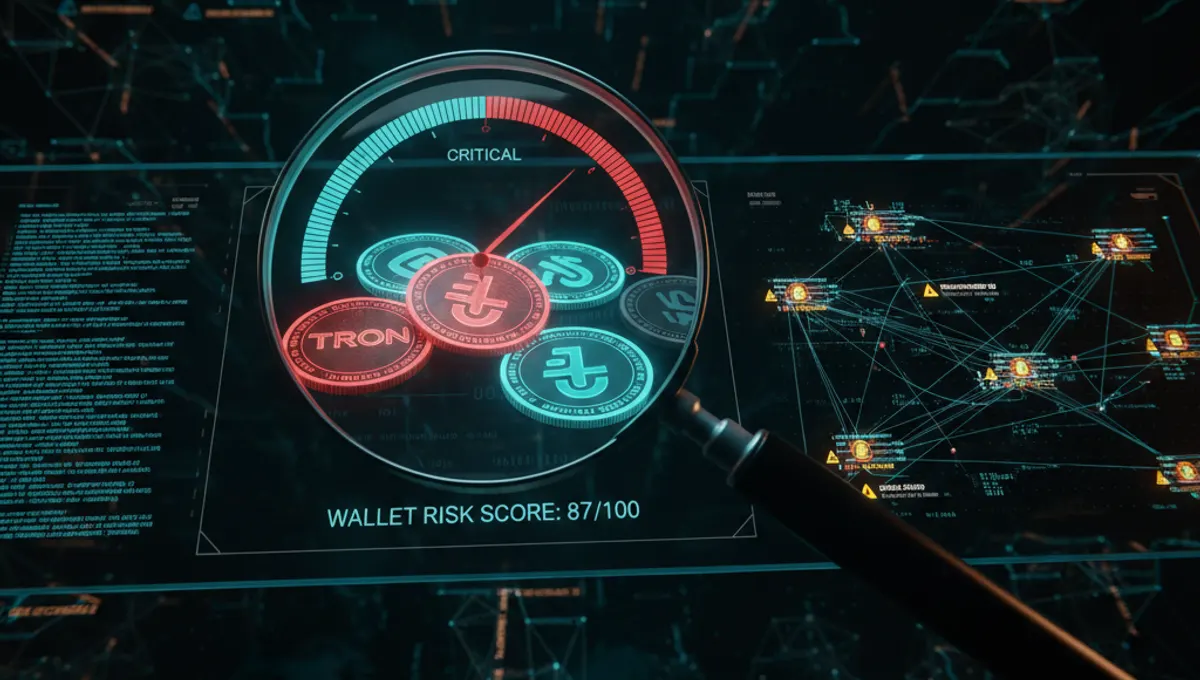
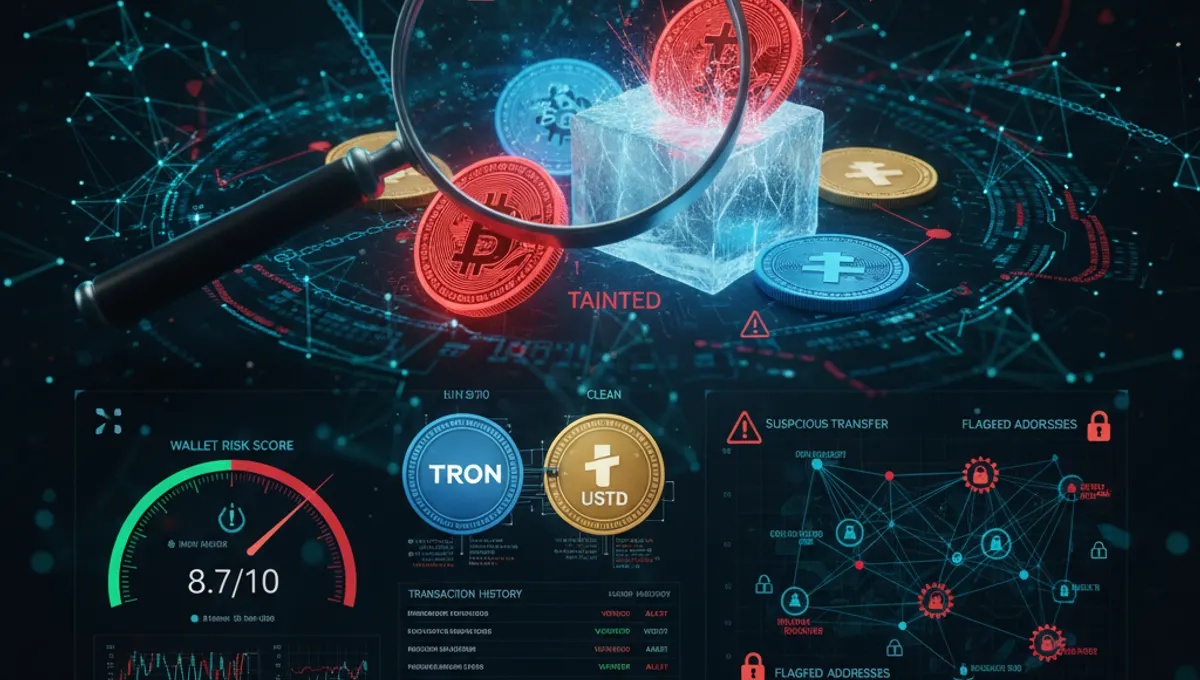
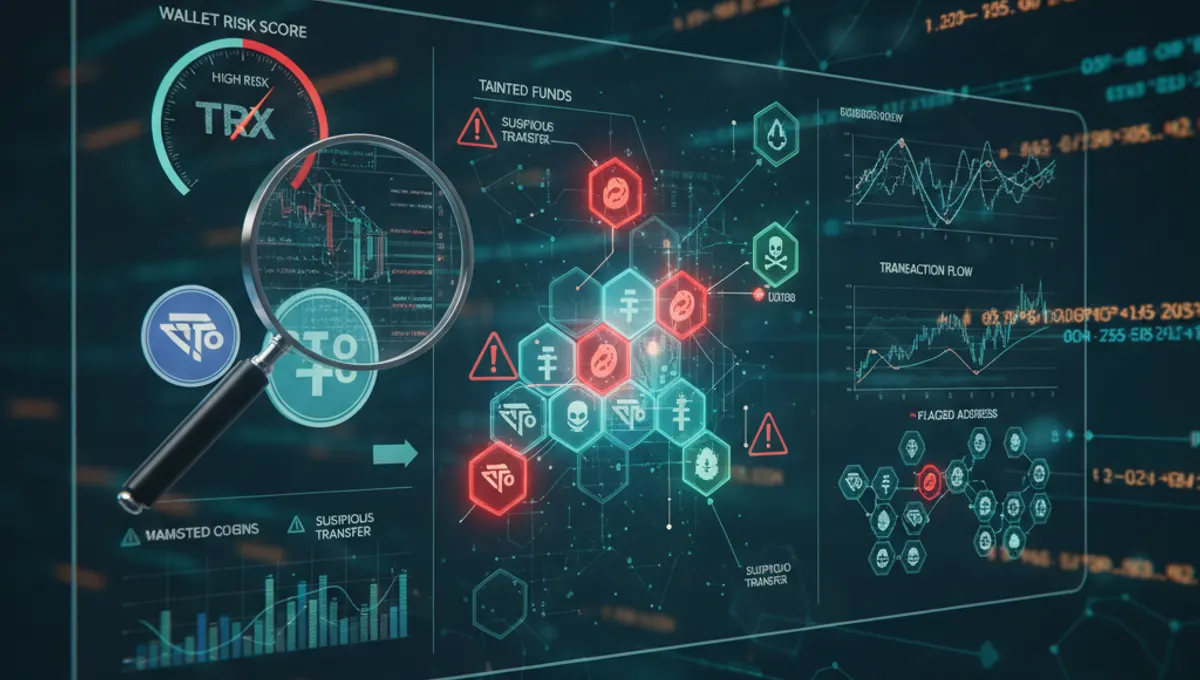
Blockchain transaction monitoring combines real-time tracking with risk scoring to flag suspicious activity. When a transaction is broadcast, monitoring systems record its details and cross-reference the sender and receiver addresses against known risk databases—including sanctions lists, mixer services, darknet market wallets, and stolen fund registries. Each address receives an AML risk score based on its transaction history and associations. A score of 0–20 typically indicates low risk; 21–50 indicates medium risk; 51–100 indicates high risk. Crypto transaction monitoring tools used by exchanges and compliance teams automate this process, alerting users to high-risk transfers before they settle. Free blockchain transaction trackers show basic transaction data but may not include detailed AML scoring; for comprehensive KYT (Know Your Transaction) analysis, you'll want to use verified AML services listed on our curated directory.
Understanding Crypto Transaction Fees and Blockchain Costs
Crypto transaction fees are paid to miners or validators to prioritize your transaction on the blockchain. Fee amounts vary by network congestion, transaction size, and the cryptocurrency used. Bitcoin and Ethereum fees fluctuate hourly; Tron and other networks often charge lower fees. A blockchain transaction tracker displays the fee paid for each transaction, usually shown in the native cryptocurrency and converted to USD. Understanding fees helps you verify that a transaction was processed correctly and to estimate costs before sending funds. Free trackers show historical fees for any transaction, helping you benchmark what a fair fee should be. When checking a received transfer, confirm that the fee is proportional to the amount and network conditions at the time—unusually low fees on a high-value transfer may indicate a pending or unconfirmed transaction.
Step-by-Step: How to Check a Blockchain Transaction for Risk
Follow these steps to verify an incoming cryptocurrency transfer using a free blockchain transaction tracker:
- Obtain the transaction hash (txid) from your wallet or the sender.
- Visit a free blockchain explorer (such as those linked in our AML Services directory) and paste the transaction hash into the search bar.
- Review the transaction details: sender address, receiver address, amount, fee, and confirmation count.
- Note the sender's address and check its transaction history—look for patterns of activity, age of the address, and any visible associations with known risk sources.
- Cross-reference the sender address against public risk databases or use a verified AML service from our directory to obtain a detailed risk score.
- If the sender address shows high-risk activity (recent mixer transactions, darknet exposure, or sanctions list matches), contact the sender to clarify the source of funds before accepting the transfer.
- For USDT on Tron (TRC20) or Bitcoin transfers, pay extra attention to address age and transaction frequency—new addresses with single large transfers carry higher risk.
For a comprehensive AML check, use one of the trusted services on our verified AML Services page, which provide automated risk scoring and detailed transaction history analysis.
Crypto Transaction Meaning: What Each Field Tells You About Risk
Each field in a blockchain transaction record carries risk information:
- Sender Address: The originating wallet. Check its age, transaction count, and balance history. New addresses or addresses with sudden large inflows may indicate fraud or stolen funds.
- Receiver Address: Your wallet. Verify it matches your expected address exactly—typos or address substitution attacks are common.
- Amount: The cryptocurrency quantity transferred. Unusually round numbers or amounts matching known scam patterns warrant investigation.
- Fee: The cost paid to process the transaction. Abnormally low fees may indicate a pending or unconfirmed transaction; high fees may suggest urgency or network congestion.
- Confirmation Count: The number of blocks added after the transaction. Bitcoin typically requires 3–6 confirmations for security; Tron requires fewer due to faster block times.
- Timestamp: When the transaction was recorded. Compare it to when you were notified—significant delays may indicate a pending or stuck transaction.
- Transaction Hash: A unique identifier. Use it to verify the transaction on any blockchain explorer.
For USDT or TRX transfers, also note the token contract address to ensure you're viewing the correct token and not a counterfeit.
What to Do If a Transaction Is Flagged as High Risk
If a blockchain transaction tracker or AML check reveals high-risk activity, take these steps:
- Do not accept the transfer immediately. Contact the sender and ask for clarification about the source of funds.
- Request documentation: Ask the sender for proof of legitimate origin—invoice, business registration, or bank statement.
- Check the address history: Use a free tracker to review the sender's recent transactions. If the address has received funds from known mixers or darknet markets, the risk is elevated.
- Consult an AML service: Use one of the verified services on our AML Services directory to obtain a detailed risk report and recommendations.
- If you accept the transfer: Document your due diligence (the AML check, the sender's explanation, and the date). If your exchange later freezes the funds, you'll have evidence of your compliance effort.
- If you reject the transfer: Notify the sender in writing and explain that the transaction failed your AML screening.
Exchanges and payment processors freeze USDT and other assets when they detect high-risk transaction patterns. Receiving tainted coins can result in account bans or fund seizures, so erring on the side of caution is prudent.
Free Blockchain Transaction Trackers vs. Paid AML Monitoring Tools
Free blockchain transaction trackers (such as public explorers) display transaction data but lack automated risk scoring and sanctions list integration. Paid AML monitoring tools and KYT services provide:
- Real-time risk scoring based on address history and known risk databases.
- Sanctions list matching against OFAC, EU, and other regulatory lists.
- Darknet and mixer detection to flag transactions linked to illicit activity.
- Batch screening for multiple addresses or transactions.
- Compliance reports suitable for regulatory audits.
- API integration for automated monitoring in your business workflow.
For one-off checks of a single transaction, a free tracker is sufficient. For ongoing monitoring of incoming payments or compliance-critical operations, use a verified AML service from our curated directory. These services combine free tracker data with proprietary risk analysis, giving you confidence that your transaction screening meets regulatory standards and protects you from frozen USDT, account bans, and reputational harm.
Frequently asked questions
Can I use a free blockchain transaction tracker to check if crypto is stolen
A free tracker shows transaction history but cannot definitively prove theft. To identify stolen funds, use a verified AML service from our directory, which cross-references addresses against theft registries and provides a risk score. Free trackers are useful for spotting suspicious patterns—such as rapid transfers through mixers—but professional KYT tools are more reliable for compliance.
What does a high AML risk score mean for a transaction
A high AML risk score (typically 51–100) indicates the address has associations with known risk sources: mixers, darknet markets, sanctions lists, or stolen funds. It does not prove the current transaction is illegal, but it signals elevated compliance risk. If you receive funds from a high-risk address, document your due diligence and consider rejecting the transfer to avoid frozen coins or account bans.
How long does it take to confirm a blockchain transaction
Confirmation time varies by network. Bitcoin typically requires 10–60 minutes for one confirmation; Ethereum 12–15 seconds per block; Tron 3 seconds per block. A transaction is generally considered secure after 3–6 confirmations. Use a free blockchain tracker to monitor confirmation count in real time. Low fees may delay confirmation during network congestion.
Why do exchanges freeze USDT and other crypto received from certain addresses
Exchanges freeze funds when they detect high-risk transaction patterns—such as transfers from sanctioned entities, darknet markets, or addresses flagged by AML monitoring systems. This is a compliance measure to prevent money laundering and terrorist financing. To avoid frozen USDT, screen incoming transfers using a verified AML service before accepting them.
Is it safe to use a free blockchain tracker to check a TRX or USDT address
Yes, free trackers are safe for viewing transaction data on Tron (TRX) and USDT TRC20. However, they do not provide AML risk scoring. For a complete security check before accepting TRX or USDT, use one of the verified AML services on our directory, which offer detailed risk analysis and sanctions screening specific to Tron addresses.