What Is a Crypto Wallet and How Does It Work
A crypto wallet manages your private keys and public addresses. Your public address is like an account number—anyone can send funds to it. Your private key is the password that authorizes transactions; if someone obtains it, they control your coins. Wallets come in two forms: custodial (a third party holds your keys, like an exchange) and non-custodial (you control your own keys, like a hardware wallet or software client). When you initiate a transaction, the wallet signs it with your private key, broadcasting it to the blockchain. The network confirms the transaction, and the ledger updates. This process applies across blockchains: Bitcoin, Ethereum, Tron, and others each have their own wallet ecosystems, though some wallets support multiple chains.
Types of Crypto Wallets: A Practical Comparison
Hardware wallets (Ledger, Trezor) store keys offline, offering maximum security but requiring a device purchase. Software wallets (MetaMask, Trust Wallet) run on your phone or computer and balance convenience with control. Mobile wallets prioritize portability for frequent transactions. Web wallets operate in browsers and suit casual users but carry higher hacking risk. Exchange wallets (Coinbase, Kraken) are custodial—the exchange holds your keys, making deposits and withdrawals fast but surrendering direct control. Paper wallets are printed private keys, secure but impractical for regular use. Each type has trade-offs: non-custodial wallets give you sovereignty but require you to manage security; custodial wallets simplify access but expose you to exchange risk, including account freezes if compliance issues arise. Choosing depends on your use case: long-term holding favors hardware wallets; active trading favors exchange wallets; everyday payments favor mobile wallets.
Understanding Crypto Wallet Fees and Costs
Crypto wallet fees vary by type and transaction. Hardware wallets have an upfront purchase cost (typically $50–$150) but no ongoing fees for storage. Software and mobile wallets are usually free to download but charge network fees when you send coins. These network fees (called gas on Ethereum, miner fees on Bitcoin) go to the blockchain, not the wallet provider, and fluctuate with network congestion. Exchange wallets charge deposit and withdrawal fees set by the exchange, often 0.5–2% per transaction. Some wallets charge a percentage of transaction value; others charge flat amounts. Receiving coins is almost always free. Staking or lending features may carry percentage-based fees. When evaluating a wallet, compare not just the wallet fee but the total cost: purchase price plus transaction fees plus any service fees. A cheap wallet with high transaction fees may cost more over time than an expensive hardware wallet with low per-transaction costs.
Crypto Wallet Ranking: Security, Features & Compliance
Wallets are often ranked by security, user experience, supported assets, and compliance features. Security rankings favor hardware wallets and established software wallets with open-source code and regular audits. User experience rankings favor intuitive interfaces and fast onboarding. Asset support rankings favor wallets that handle multiple blockchains (Bitcoin, Ethereum, Tron, Polygon). Compliance rankings—increasingly important—favor wallets with built-in AML screening and transaction monitoring. Some wallets now integrate wallet screening tools that flag high-risk addresses or transactions linked to sanctions lists, darknet markets, or stolen funds. This matters because receiving flagged coins can trigger exchange account freezes or compliance holds. When choosing a wallet, prioritize security first, then check whether it offers or integrates with AML screening. For business use or large transactions, custodial wallets with compliance teams (exchange wallets) often outrank non-custodial options because they perform KYC and transaction monitoring, reducing your legal exposure.
Why Wallet Screening and AML Checks Matter
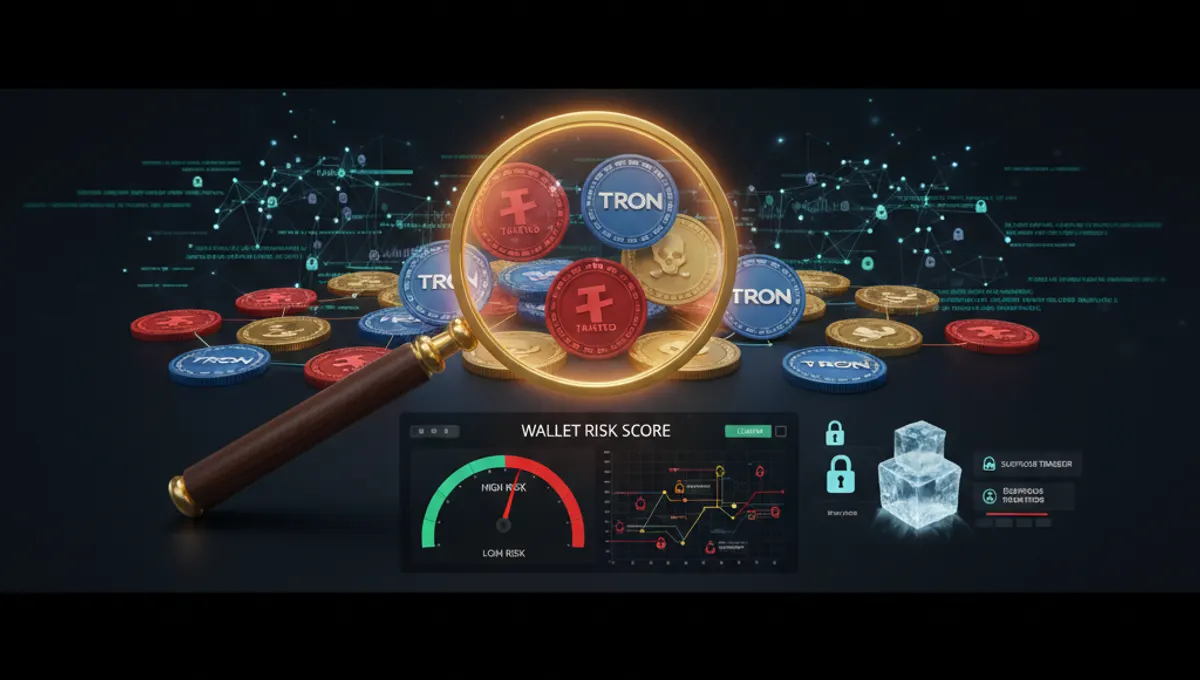
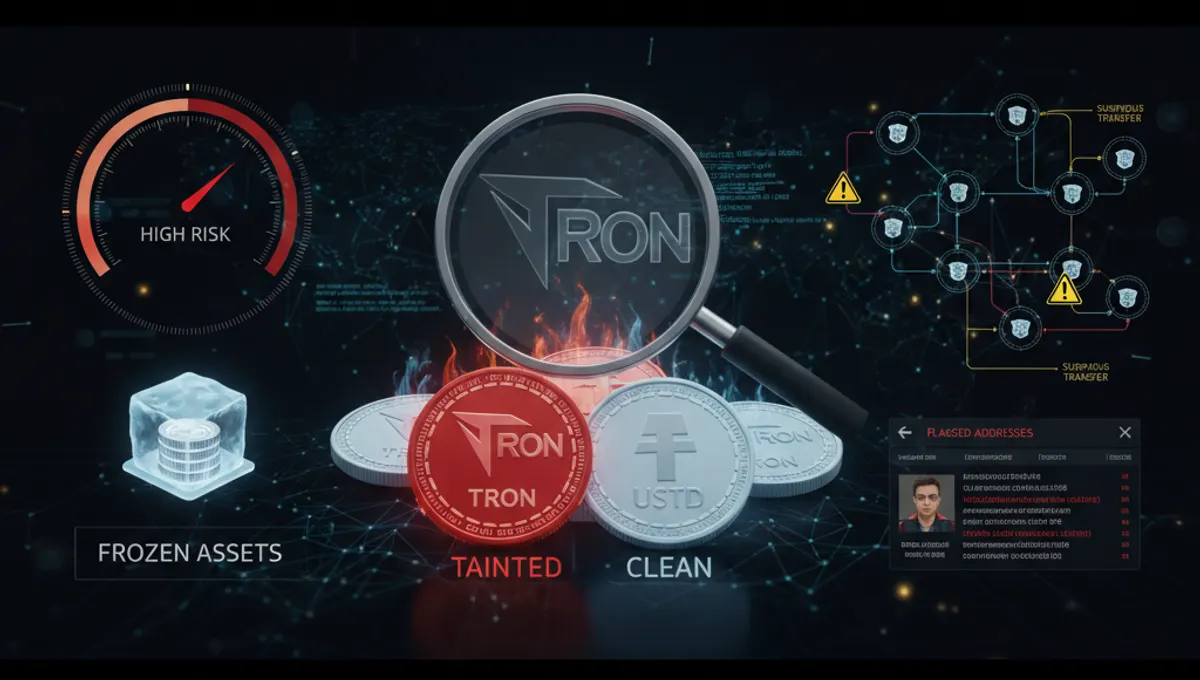
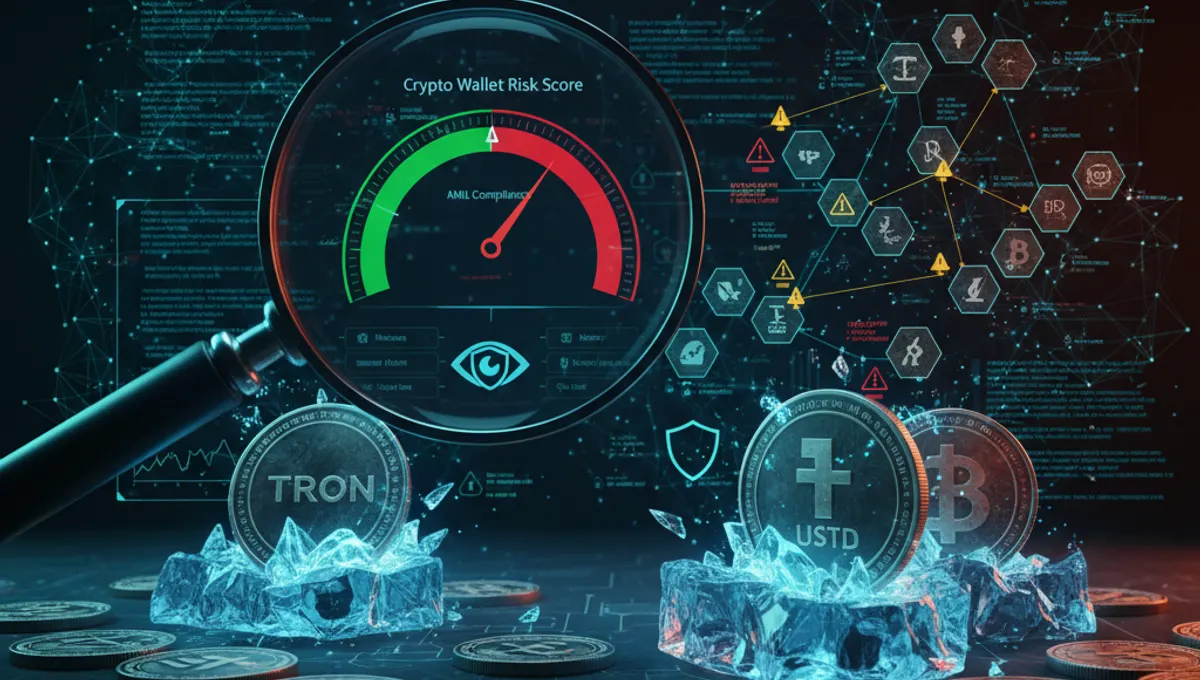
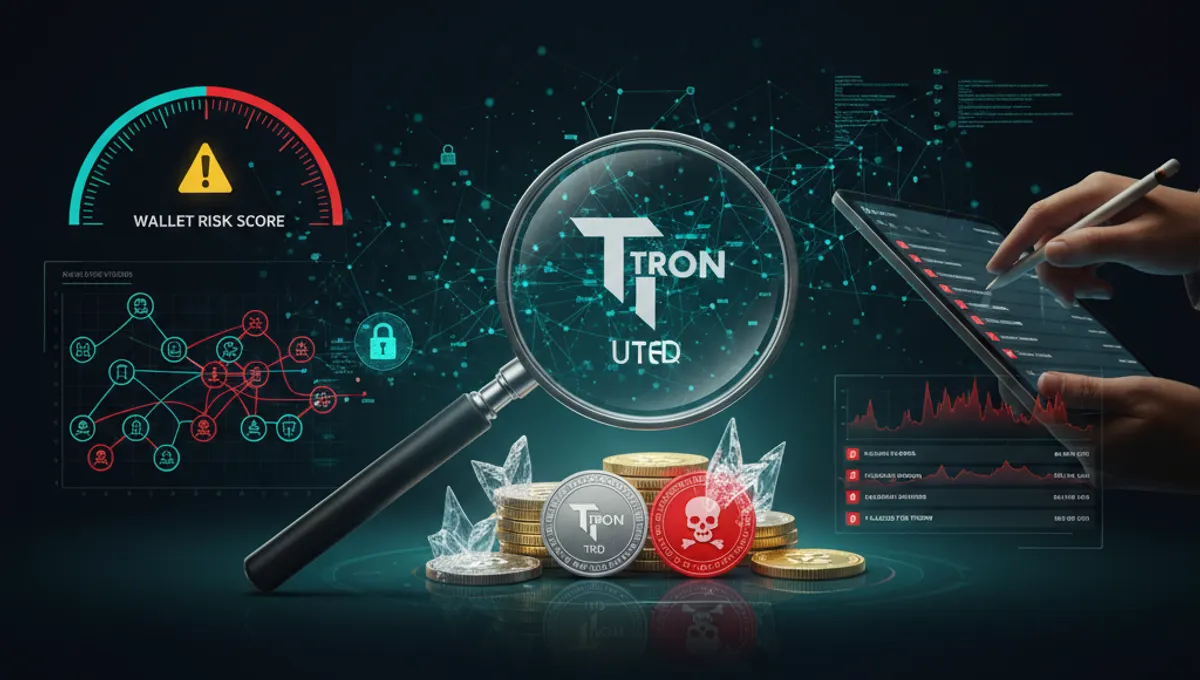
Wallet screening is the process of checking a crypto address against sanctions lists, stolen fund databases, and darknet market records to assess risk. AML (anti-money laundering) checks assign a risk score to an address based on transaction history, associated entities, and behavioral patterns. This matters because exchanges, payment processors, and banks increasingly freeze accounts that receive tainted coins—funds linked to theft, ransomware, gambling, or sanctioned entities. A single deposit of flagged USDT or TRX can trigger a compliance hold, requiring you to prove the source of funds or face account closure. For individuals, wallet screening protects you from unknowingly receiving stolen or sanctioned coins. For businesses, it's mandatory: receiving dirty crypto can expose you to regulatory penalties and reputational damage. Before accepting a large transfer, especially on Tron or Ethereum, screening the sender's address is prudent. Many exchanges now require wallet screening as part of deposit verification, making it a practical necessity, not just a compliance formality.
How to Check a Crypto Wallet Before Receiving Funds
To screen a wallet address before receiving a transfer, follow these steps:
- Obtain the sender's full public address (a long string of characters specific to the blockchain).
- Use a blockchain explorer (Etherscan for Ethereum, Tronscan for Tron, Blockchain.com for Bitcoin) to view the address's transaction history and balance.
- Look for red flags: frequent transactions with known mixers, sudden large inflows from unknown sources, or connections to darknet markets.
- For deeper AML screening, use a dedicated wallet screening service. These services cross-reference addresses against sanctions lists (OFAC, UN, EU), stolen fund databases, and darknet market records, returning a risk score.
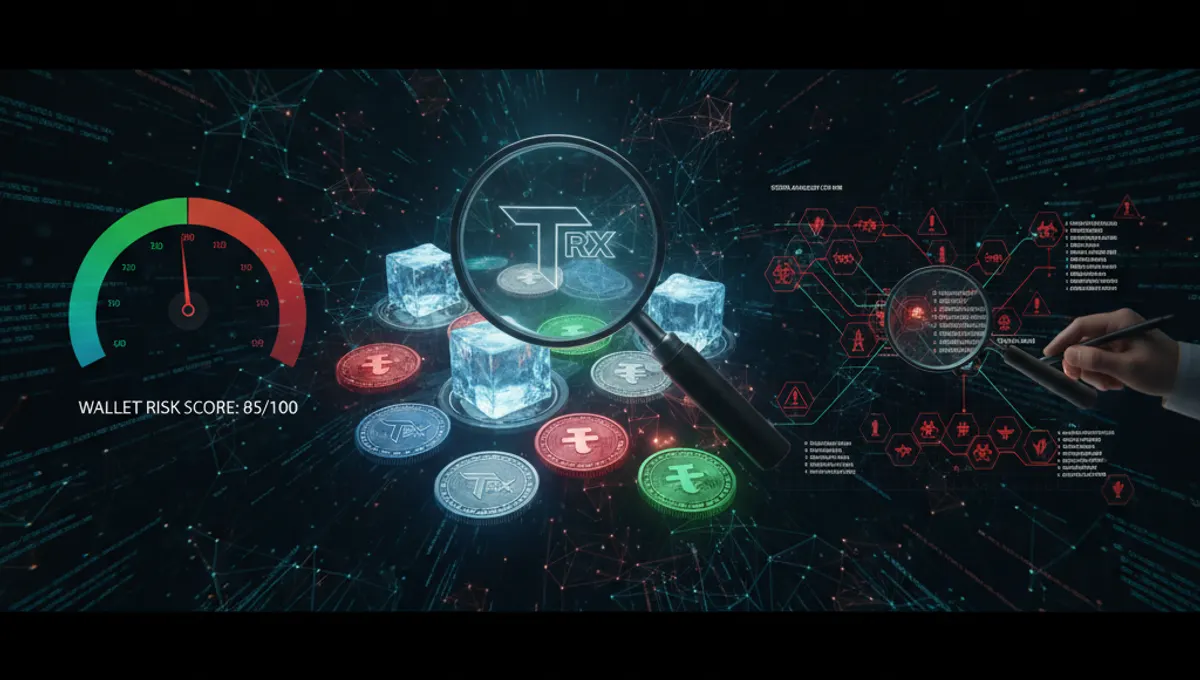
- Interpret the risk score: low risk (green) means minimal exposure; medium risk (yellow) warrants caution; high risk (red) suggests the address is linked to illicit activity and should be avoided. If you're receiving USDT on Tron or any large transfer, screening takes minutes and can prevent account freezes. Many verified AML services on our curated list offer wallet screening; starting there ensures you're using trusted, compliant tools.
What Happens When a Wallet Is Flagged as High Risk
If you receive coins from a flagged wallet, several outcomes are possible. Your exchange may place a hold on the deposit, requiring you to provide proof of the source of funds or explanation of the transaction. If you cannot satisfy the exchange's compliance team, the funds may be frozen indefinitely or returned to the sender. In severe cases—if the coins are linked to ransomware, theft, or sanctions—your entire account may be closed, and you may be reported to financial authorities. For businesses, receiving flagged coins can trigger regulatory investigations and reputational harm. To mitigate risk:
- Screen wallets before accepting transfers.
- Maintain records of all transactions and sources.
- Use exchanges with transparent compliance policies.
- If you receive flagged coins by mistake, report it to your exchange immediately and cooperate with their investigation.
- Avoid wallets or addresses with known high-risk patterns (frequent mixer use, darknet connections). Proactive screening is far cheaper and easier than dealing with frozen accounts or compliance investigations after the fact.
Frequently asked questions
What is a crypto wallet example?
MetaMask is a widely used software wallet for Ethereum and compatible blockchains. Trust Wallet is a mobile wallet supporting multiple chains. Ledger Nano S is a hardware wallet for cold storage. Coinbase Wallet is a custodial wallet tied to the Coinbase exchange. Each serves different needs: MetaMask for DeFi, Trust Wallet for mobile trading, Ledger for security, Coinbase for simplicity.
How much do crypto wallet fees cost?
Hardware wallets cost $50–$150 upfront. Software wallets are free to download. Network fees (gas, miner fees) vary: Bitcoin averages $1–$50 per transaction; Ethereum $5–$100; Tron $0.01–$1. Exchange withdrawal fees range 0.5–2%. Receiving coins is typically free. Total cost depends on transaction frequency and network congestion.
What is a crypto wallet number?
A crypto wallet number typically refers to your public address—a unique identifier on the blockchain where others send you coins. It's a long alphanumeric string (e.g., 0x742d35Cc6634C0532925a3b844Bc9e7595f42e on Ethereum). Each blockchain has its own address format. You can share your public address freely; never share your private key.
Why is wallet screening important before receiving USDT or TRX?
Wallet screening checks if an address is linked to theft, sanctions, or darknet activity. Receiving flagged coins can trigger exchange account freezes or compliance holds. Screening takes minutes and prevents costly account closures. It's especially critical for USDT on Tron and large transfers, as exchanges increasingly enforce AML checks on deposits.
What does a crypto wallet risk score mean?
A risk score (typically 0–100 or low/medium/high) indicates the likelihood that an address is involved in illicit activity. Low scores suggest clean transaction history. High scores flag connections to mixers, darknet markets, theft, or sanctions. Exchanges use risk scores to decide whether to accept deposits. A high-risk score doesn't prove guilt but warrants caution and further investigation.