What Is a Crypto Wallet Number and How Does It Work
A crypto wallet number is a public address on a blockchain network. For Bitcoin, it typically starts with 1, 3, or bc1 and contains 26–35 characters. For Ethereum and Tron, addresses begin with 0x or T respectively and are 42 characters long. Each wallet number is mathematically linked to a private key; the public address allows anyone to send funds, while the private key controls access and spending. Wallet numbers are permanent and immutable once created. They function like bank account numbers but operate on decentralized networks without a central authority. Understanding the format of your wallet number helps you recognize legitimate addresses and avoid typos during transfers, which can result in irreversible loss of funds.
Crypto Wallet Explained: Public Address vs. Private Key
A crypto wallet contains two components: the public address (wallet number) and the private key. The public address is shared openly and used to receive funds; it is safe to display because it does not grant spending authority. The private key is secret and must never be shared; it proves ownership and authorizes transactions. When you provide a wallet number to someone, you are only sharing the public address, which poses no security risk. However, if your private key is compromised, an attacker can drain your wallet entirely. Wallet numbers are also called public keys or addresses interchangeably in most contexts. Keeping your private key secure and your wallet number accessible ensures you can receive funds safely while maintaining control over your assets.
Why Wallet Screening and AML Risk Scoring Matter
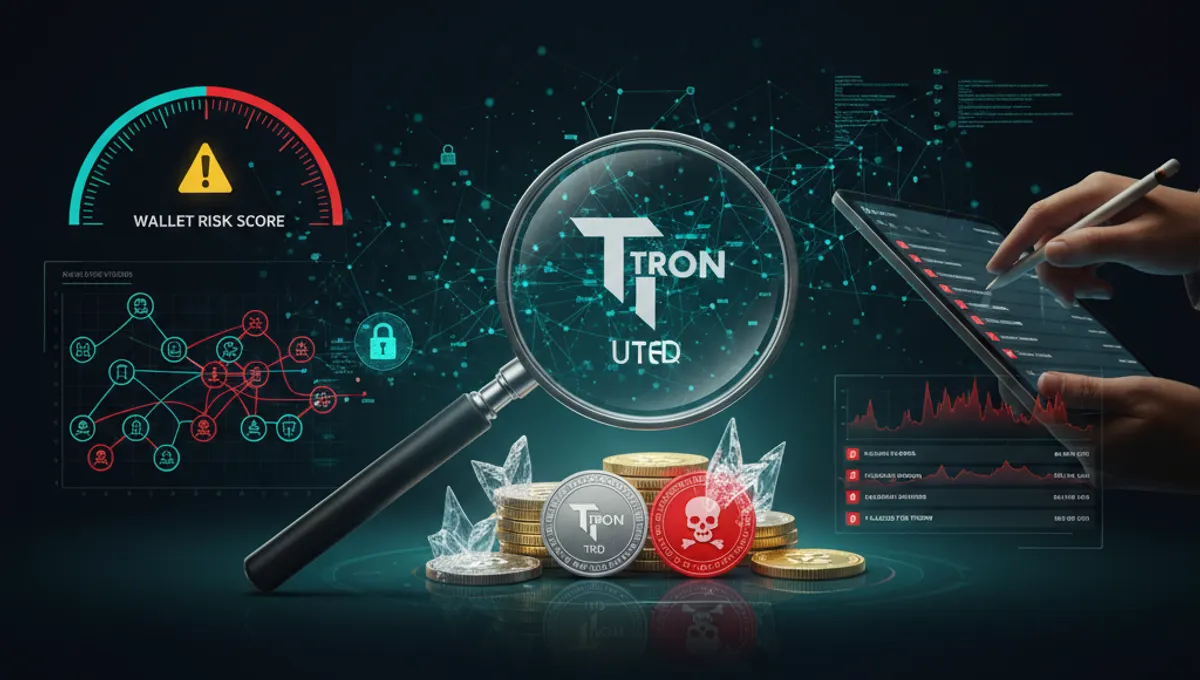
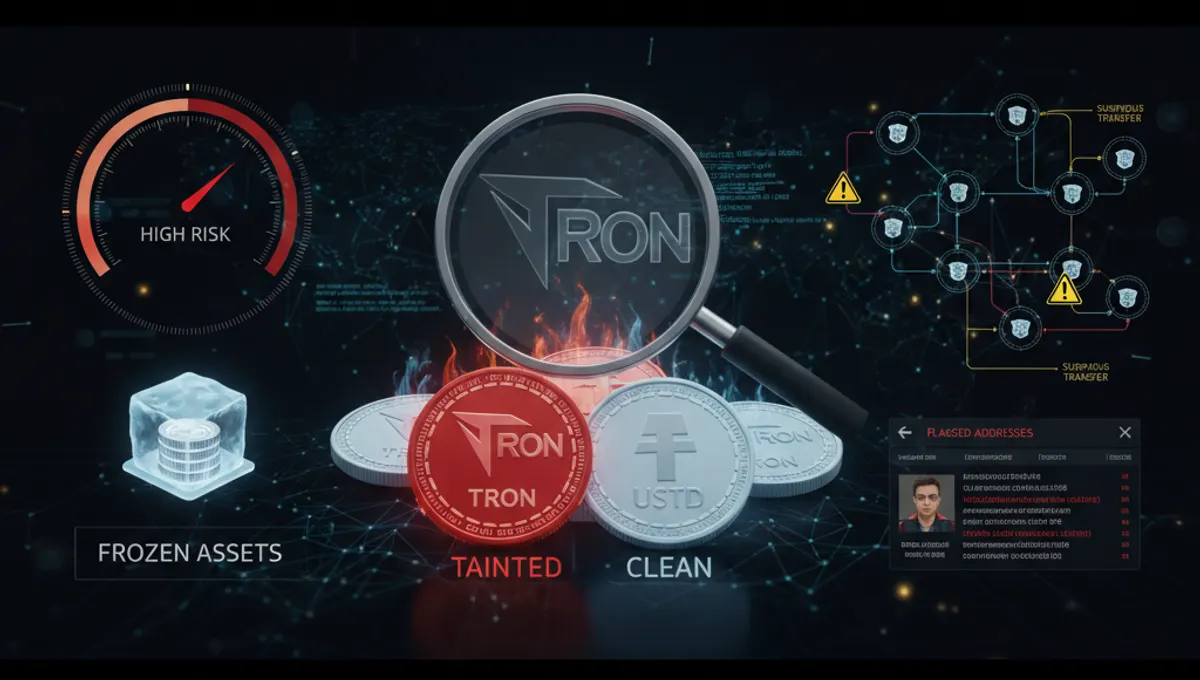
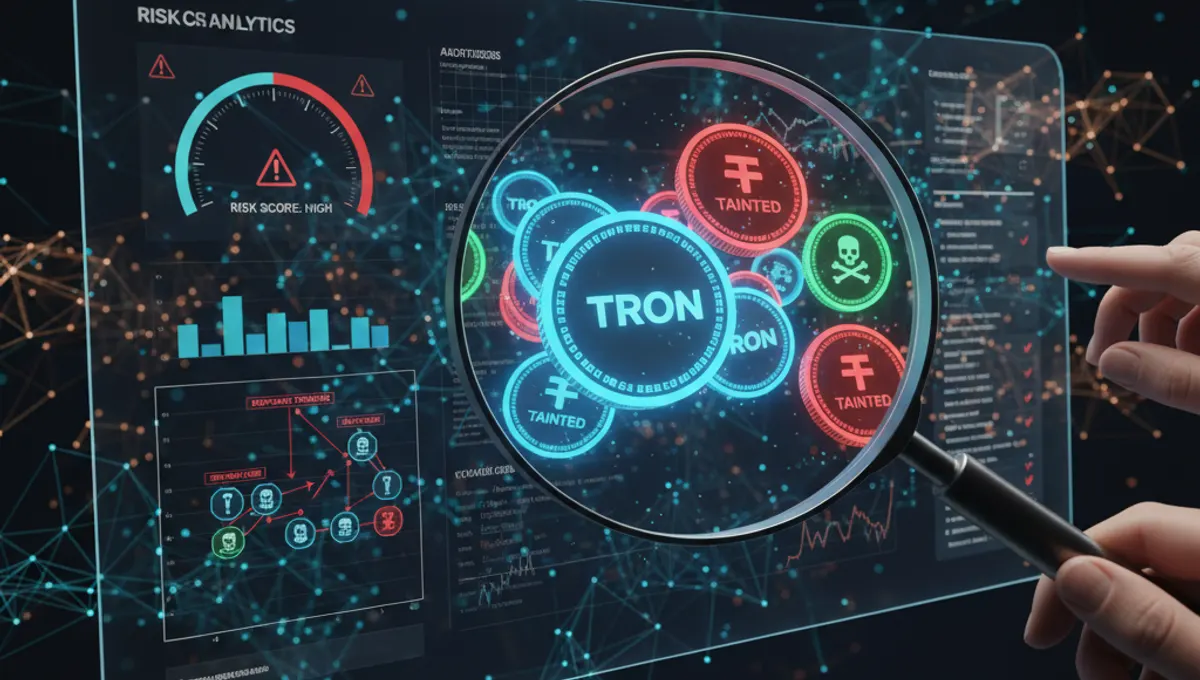
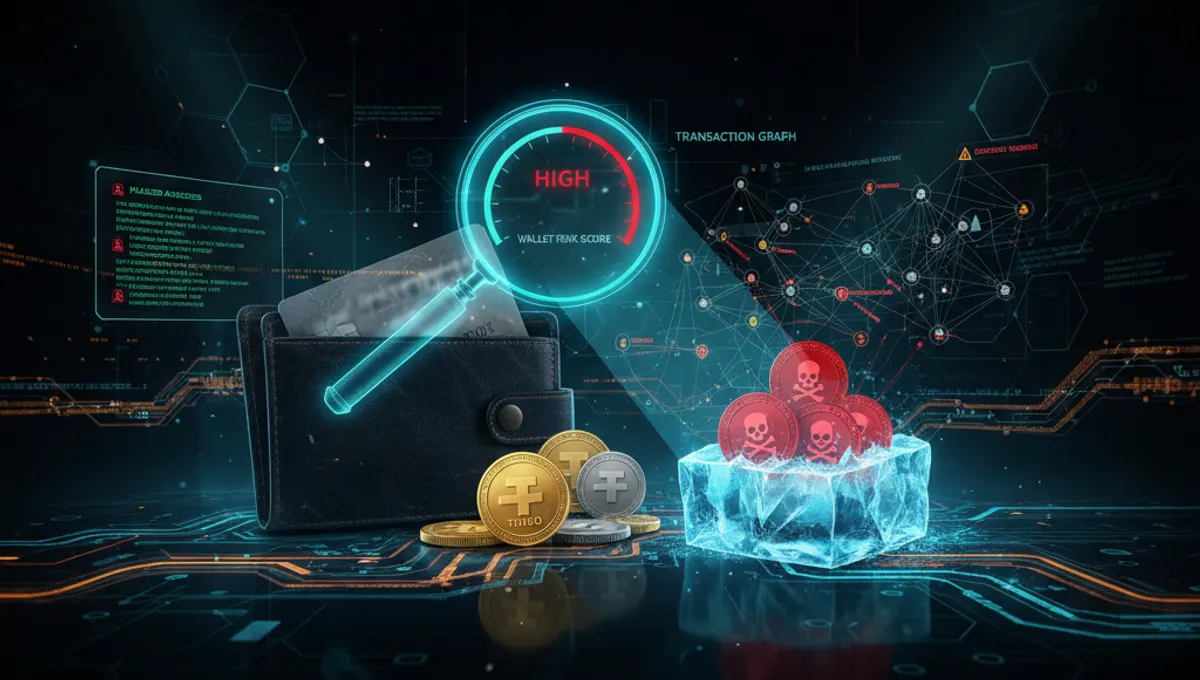
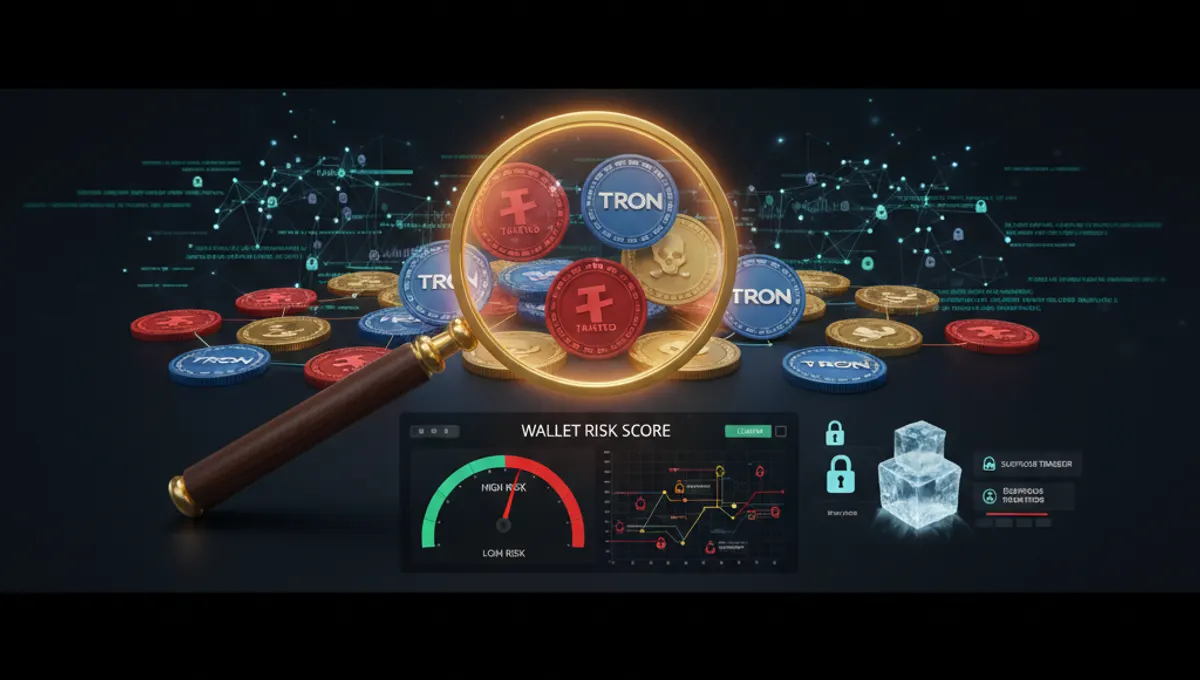
Screening a wallet number before receiving funds identifies whether it has been flagged for illicit activity, sanctions violations, or association with darknet markets, scams, or stolen funds. An AML risk score quantifies the likelihood that a wallet is connected to money laundering, terrorism financing, or other regulatory violations. Risk scores typically range from low (clean, minimal exposure) to high (strong indicators of illicit use). Exchanges and financial institutions use wallet screening to comply with Know Your Transaction (KYT) requirements and avoid regulatory penalties. If you receive funds from a high-risk wallet, your own account may be frozen, and you could face compliance investigations. Screening wallet numbers is a practical defense against receiving tainted coins and protects both your account and your reputation in the crypto ecosystem.
Crypto Wallet Fees and Screening Costs
Blockchain transaction fees (network fees) are separate from wallet screening fees. Transaction fees pay miners or validators to process transfers and vary by network congestion and transaction size; they are not related to wallet security or AML checks. Wallet screening services, however, may charge fees for detailed risk assessments. Some services offer free basic checks with limited results, while comprehensive screening—including sanctions list matching, darknet exposure analysis, and transaction history review—typically requires a subscription or per-check fee. The cost of screening is minimal compared to the risk of receiving frozen USDT, having your exchange account banned, or facing regulatory action. Many compliance-focused platforms integrate screening into their workflows at no additional cost to users. When evaluating wallet screening options, compare the depth of analysis, update frequency of sanctions lists, and whether the service covers your target blockchains (Bitcoin, Ethereum, Tron, etc.).
How to Check a Wallet Number Before Receiving Funds
Follow these steps to screen a wallet number before accepting a transfer:
- Obtain the full wallet address from the sender and verify it matches their stated blockchain (Bitcoin, Ethereum, Tron, etc.).
- Copy the wallet number exactly—do not retype it, as a single character error could send funds to a different address.
- Visit a trusted AML screening service (our curated AML Services page lists verified providers).
- Paste the wallet number into the screening tool and select the appropriate blockchain network.
- Review the risk score and detailed findings, including any flags for sanctions, darknet exposure, scams, or stolen funds.
- If the risk score is low and no major flags appear, the wallet is likely safe to receive from.
- If the score is high or multiple risk factors are present, decline the transfer or request clarification from the sender.
This process takes minutes and prevents costly compliance violations and frozen accounts.
Crypto Wallet Ranking and Risk Score Interpretation
Risk scores are typically ranked on a scale from 0 (lowest risk) to 100 (highest risk), though some services use percentages or categorical labels (low, medium, high, critical). A wallet number with a score below 20 is generally considered safe for receiving funds. Scores between 20 and 50 indicate moderate risk and warrant further investigation—check whether the wallet has legitimate transaction history or minor associations with high-risk activities. Scores above 50 signal significant risk; common reasons include direct links to darknet markets, mixing services, sanctioned entities, or stolen funds. Scores above 80 typically indicate the wallet should be avoided entirely. Risk scores are updated as blockchain data evolves and new intelligence emerges. When evaluating a wallet number, also consider the reasoning behind the score: a wallet flagged for gambling activity may pose less regulatory risk than one linked to a sanctions list. Always cross-reference findings across multiple screening services if the stakes are high.
What to Do If Your Wallet Number Is Flagged as High-Risk
If your own wallet number receives a high-risk score, investigate the cause immediately. Common reasons include:
- Receiving funds from a compromised or stolen wallet (not your fault, but requires action).
- Interaction with a mixing service or tumbler (which obscures transaction history).
- Proximity to darknet market activity (even indirect transfers can trigger flags).
- Accidental overlap with a sanctioned entity's wallet range.
If flagged, contact the exchange or service where you hold funds and explain the situation. Provide transaction history and evidence of legitimate use. Exchanges may temporarily restrict your account pending review but typically restore access if the risk is resolved. To prevent future flags, avoid receiving funds from unknown sources, use reputable exchanges, and maintain clear transaction records. If you suspect your wallet was compromised, move your funds to a new address immediately and enable security measures like multi-signature authorization. Proactive wallet screening prevents these situations by identifying risk before you receive tainted coins.
Frequently asked questions
What does a crypto wallet number look like
A Bitcoin wallet number is 26–35 alphanumeric characters starting with 1, 3, or bc1. Ethereum and Tron addresses are 42 characters, beginning with 0x or T respectively. Each blockchain network has its own address format. Never send funds to an address from a different blockchain than intended, as the transfer will be lost.
Can someone steal my wallet if they have my wallet number
No. Your wallet number is your public address and is safe to share. Theft requires your private key, which must remain secret. Your private key is what authorizes spending; the public address only receives funds. Keep your private key in a secure location and never share it with anyone.
How do I know if a wallet number is safe before sending crypto
Use an AML screening service to check the wallet number for risk flags, sanctions exposure, and darknet associations. Our AML Services page lists trusted providers. A low risk score (below 20) indicates the wallet is likely safe. Always verify the address with the recipient through a separate communication channel to avoid phishing.
What happens if I receive funds from a flagged wallet number
Your exchange account may be frozen pending review, and you could face regulatory scrutiny. Exchanges comply with KYT rules and flag high-risk deposits. If this occurs, contact your exchange, provide transaction history, and explain the source. Most accounts are restored after verification, but prevention through wallet screening is far simpler.
Are crypto wallet fees the same as screening fees
No. Wallet fees refer to blockchain transaction fees paid to miners or validators. Screening fees are charged by AML services for risk analysis. Transaction fees vary by network congestion; screening fees depend on the service and depth of analysis. Both are separate costs in the crypto ecosystem.