What Is a Fake Crypto Wallet and Why Screening Matters
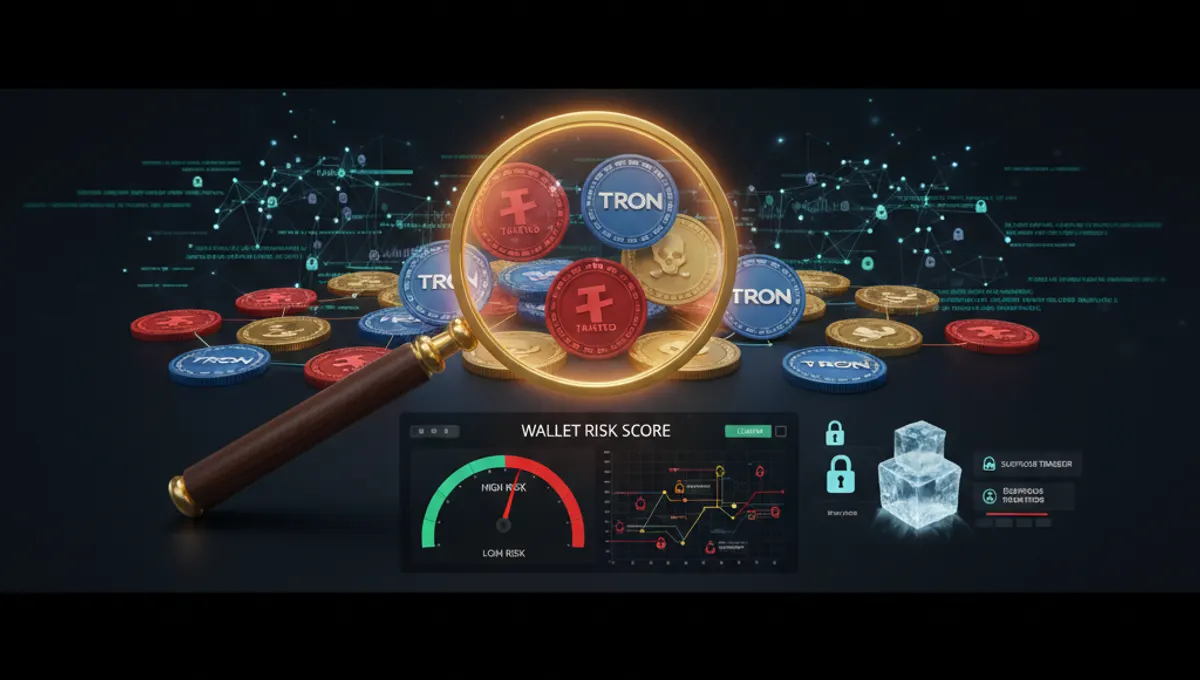
A fake crypto wallet is an address created to deceive users into sending funds that will never be recovered. These wallets are often controlled by scammers running Ponzi schemes, rug pulls, phishing campaigns, or theft rings. Unlike a legitimate crypto wallet explained as a secure storage mechanism with private keys under user control, fake wallets are honeypots designed to collect victim deposits.
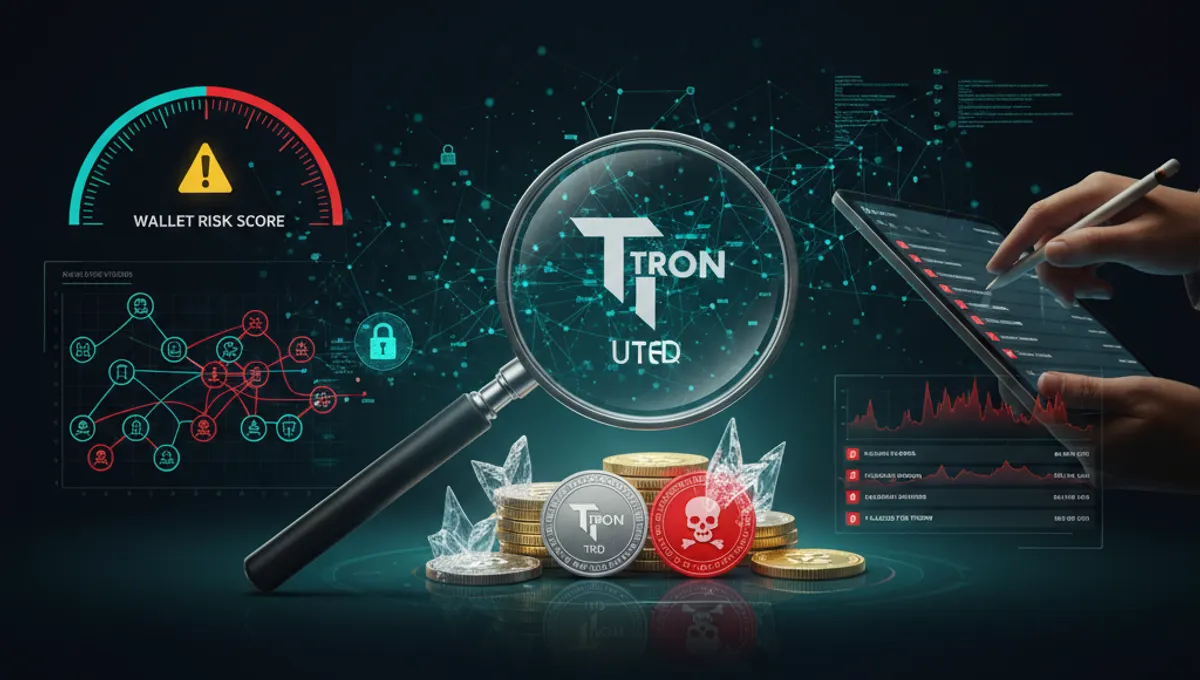
Screening matters because blockchain transactions are irreversible. Once you send crypto to a fraudulent address, recovery is impossible unless the scammer voluntarily returns it. Additionally, receiving funds from a compromised wallet can trigger exchange account freezes, compliance holds, or regulatory investigations. Crypto wallet screening tools analyze transaction history, behavioral patterns, and risk associations to flag suspicious addresses before you transfer funds. This preventive step is essential for both retail users and institutions handling large volumes of crypto.
How Fake Wallet Detection Works: Risk Scoring and AML Analysis
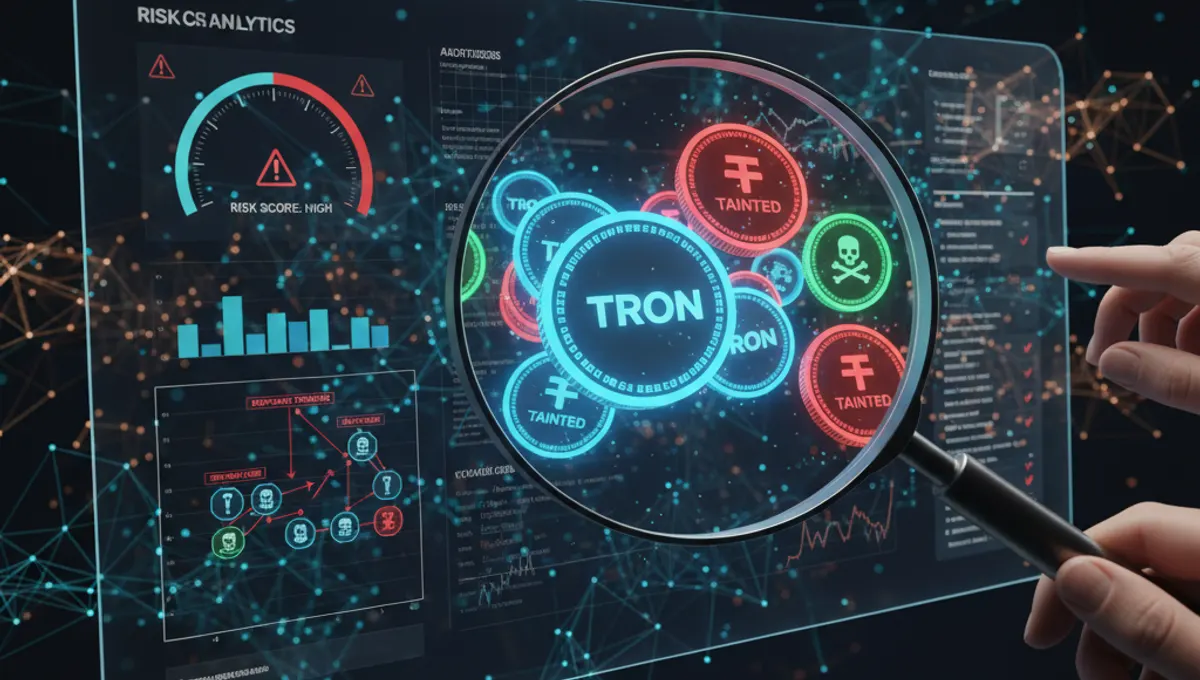
Fake wallet detection combines multiple data sources: blockchain transaction analysis, sanctions lists, darknet market databases, theft reports, and behavioral heuristics. Each wallet receives a risk score—typically 0 to 100, where 0 is clean and 100 is high-risk.
Risk scoring factors include:
- Transaction history with known scam addresses or mixers
- Connections to darknet markets, gambling platforms, or ransomware operations
- Presence on OFAC sanctions lists or other regulatory blacklists
- Rapid fund movement patterns typical of money laundering
- Clustering with wallets flagged for theft or fraud
- Age of the wallet and activity frequency
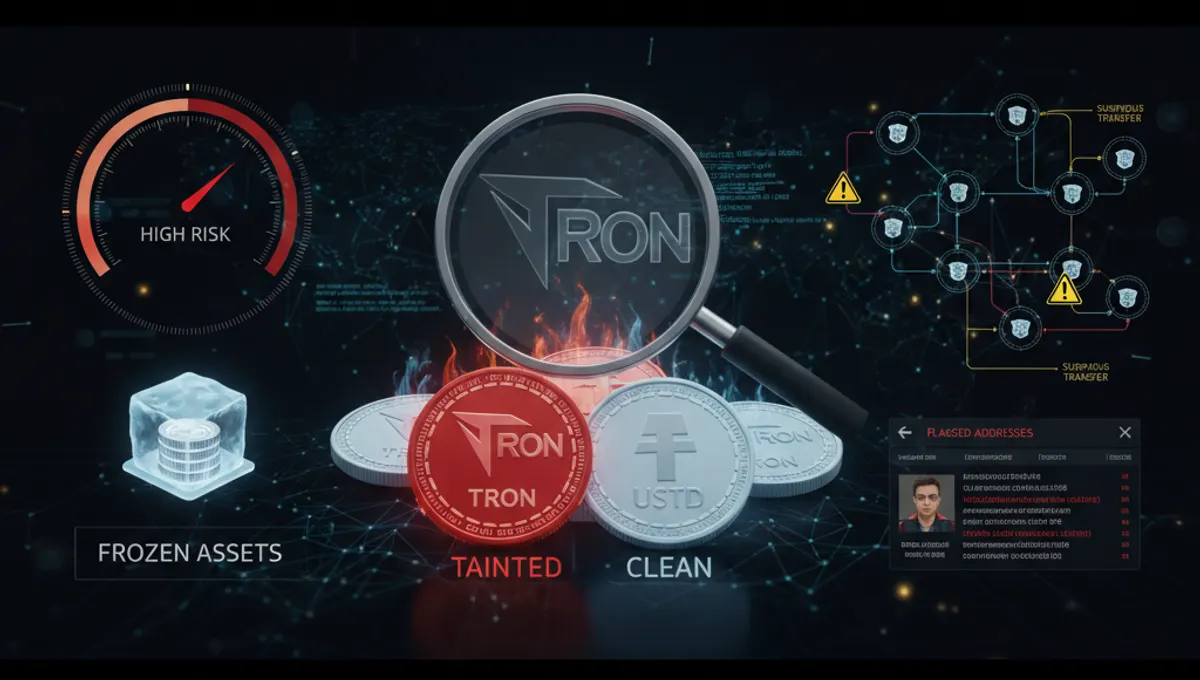
AML (Anti-Money Laundering) analysis screens wallets against global sanctions databases and known criminal entities. KYT (Know Your Transaction) monitoring tracks fund flows to detect tainted coins—cryptocurrency that originated from theft, scams, or illegal activity. A wallet with high-risk associations may appear clean on the surface but carry hidden compliance exposure. Professional crypto wallet screening services combine these signals into a single risk assessment.
Step-by-Step: How to Screen a Wallet Before Receiving USDT or TRX
Follow this process before accepting or sending funds to any address:
- Copy the full wallet address (verify it matches exactly; scammers use similar-looking addresses)
- Visit a trusted AML screening service from our curated list of verified AML services
- Paste the address into the screening tool
- Review the risk score and transaction history
- Check for flags: darknet exposure, sanctions matches, mixer usage, or theft reports
- If risk score is below your acceptable threshold (typically 20–30 for retail, 5–10 for institutions), proceed
- If flagged, do not transfer funds; contact the sender to verify legitimacy
For TRC20 tokens on Tron, use a Tron address screening tool to check the specific token contract and recent transaction patterns. For USDT on Ethereum or other chains, verify the token contract address matches the official USDT issuer. Crypto wallet fees vary by service; many offer free basic screening with limited history, while premium tiers provide full transaction tracking and historical analysis.
Red Flags That Indicate a Fake or High-Risk Wallet
Watch for these warning signs when evaluating a wallet address:
- New wallet with immediate large incoming transfers (typical of scam collection addresses)
- Rapid fund rotation through multiple wallets in minutes (money laundering pattern)
- Connections to known Ponzi schemes, rug pulls, or exchange hacks
- Presence on darknet market transaction lists or mixer services
- Address flagged on sanctions lists (OFAC, UN, EU, or national regulators)
- Wallet associated with ransomware payment campaigns
- Stolen funds database matches (reported theft or fraud)
- Unusual activity spikes followed by dormancy (pump-and-dump or exit scam pattern)
- Crypto wallet number (address) appears in phishing emails or fake investment promotions
If a wallet shows even one of these indicators, treat it as high-risk. Legitimate business partners and exchanges use established, verifiable addresses with clean transaction histories and public reputation.
Understanding Risk Score Thresholds and What They Mean
Risk scores provide a standardized way to evaluate wallet safety. Here's how to interpret them:
- 0–10: Clean. Minimal or no suspicious activity. Safe for routine transactions.
- 11–30: Low-risk. Some minor associations but no direct criminal links. Acceptable for most users.
- 31–60: Medium-risk. Connections to high-risk services, mixers, or unverified sources. Proceed with caution; verify sender identity.
- 61–85: High-risk. Confirmed darknet exposure, sanctions flags, or theft reports. Do not transfer without legal review.
- 86–100: Critical. Confirmed scam, ransomware, or sanctions violation. Block immediately.
Retail users typically accept scores below 30. Institutions and exchanges enforce stricter thresholds (5–15) due to regulatory requirements. Your acceptable threshold depends on transaction size, counterparty relationship, and compliance obligations. When in doubt, use the verified AML services listed on our site to get a professional assessment before moving funds.
What Happens If You Receive Tainted Crypto and How to Respond
If you receive funds from a flagged wallet or discover your wallet is connected to dirty crypto, act quickly:
- Do not move the funds immediately; this may trigger compliance alerts
- Run a full AML check on the incoming transaction source
- Document the transaction hash, sender address, and timestamp
- Contact your exchange or custodian to report the incoming transfer
- Request a compliance review; many exchanges will freeze accounts automatically if tainted coins are detected
- If the funds are confirmed stolen or sanctioned, cooperate with law enforcement if required
- Do not attempt to hide or launder the funds; this creates legal liability
Exchanges freeze USDT and other assets when they detect tainted coins to comply with AML/KYC regulations. A single incoming transfer from a high-risk wallet can result in account suspension, fund seizure, or permanent bans. Proactive screening before receiving funds prevents this outcome entirely. If you're unsure about a wallet's status, screen it first—it takes seconds and protects your account.
Comparing Fake Wallet Screening Services and Choosing the Right Tool
Not all screening services offer the same coverage or accuracy. When selecting a tool, evaluate:
- Database size: Does it cover all major blockchains (Tron, Ethereum, Bitcoin, Solana)?
- Update frequency: How often are sanctions lists and theft databases refreshed?
- Risk scoring methodology: Is it transparent and based on recognized AML standards?
- Historical depth: Can you see full transaction history or only recent activity?
- False positive rate: Do legitimate wallets get flagged incorrectly?
- Pricing: Free basic checks vs. paid premium reports for institutional use
- Compliance certifications: Does the service meet FinCEN, FATF, or regional regulatory standards?
Our curated list of verified AML services on this site includes tools that meet institutional standards for accuracy and compliance. Start there for trusted, proven screening before making any transfer. Services vary in crypto wallet fees—some charge per check, others offer monthly subscriptions. For occasional users, free basic screening is sufficient; for businesses, premium services with API integration and batch processing are essential.
Frequently asked questions
How do I know if a crypto wallet is fake or a scam
Use an AML screening tool to check the wallet address against sanctions lists, theft databases, and darknet market records. Look for red flags: new wallet with large transfers, rapid fund rotation, mixer connections, or darknet associations. If the risk score exceeds 30, treat it as high-risk. Verify the sender's identity through a separate communication channel before transferring funds.
What is a good risk score for a crypto wallet
A risk score below 10 is excellent; 11–30 is acceptable for most transactions. Scores above 30 warrant caution; above 60 require legal review. Institutional users enforce stricter thresholds (5–15). Your acceptable threshold depends on transaction size and regulatory requirements. When uncertain, consult the verified AML services on our site for professional guidance.
Can I get my money back if I send it to a fake wallet
No. Blockchain transactions are irreversible. Once funds are sent to a scam address, recovery is impossible unless the scammer voluntarily returns them. This is why screening wallets before transfer is critical. If you've already lost funds, report the transaction to law enforcement and your exchange, but do not expect recovery.
What happens if my exchange account receives tainted crypto
Exchanges automatically freeze accounts when tainted coins are detected to comply with AML regulations. Your funds may be held indefinitely or seized if they're confirmed stolen or sanctioned. Cooperate with the exchange's compliance team and provide documentation. Proactive wallet screening before receiving funds prevents this outcome entirely.
How often should I screen crypto wallets for fake or high-risk status
Screen every wallet before sending or receiving funds, regardless of frequency. Risk status can change as new transaction data emerges. For businesses handling regular transfers, integrate continuous monitoring through API-based screening services. For retail users, a quick check before each transaction takes seconds and prevents costly mistakes.