What Are AML Checks and Why They Matter
AML (Anti-Money Laundering) checks in crypto verify that wallet addresses and transactions have no connection to illegal activity, sanctions, or stolen funds. When you receive USDT on Tron, Bitcoin, or Ethereum, that coin carries its transaction history. If it passed through a mixer, darknet market, or sanctioned entity, exchanges may flag it as tainted and freeze your account. AML checks work by analyzing the blockchain to trace fund origins and flag high-risk patterns. They protect you from receiving coins that will be rejected by exchanges, and they help you avoid regulatory liability. Before accepting large transfers or moving funds between wallets, running an AML check takes minutes and prevents costly account locks.
How Do AML Checks Work: The Screening Process
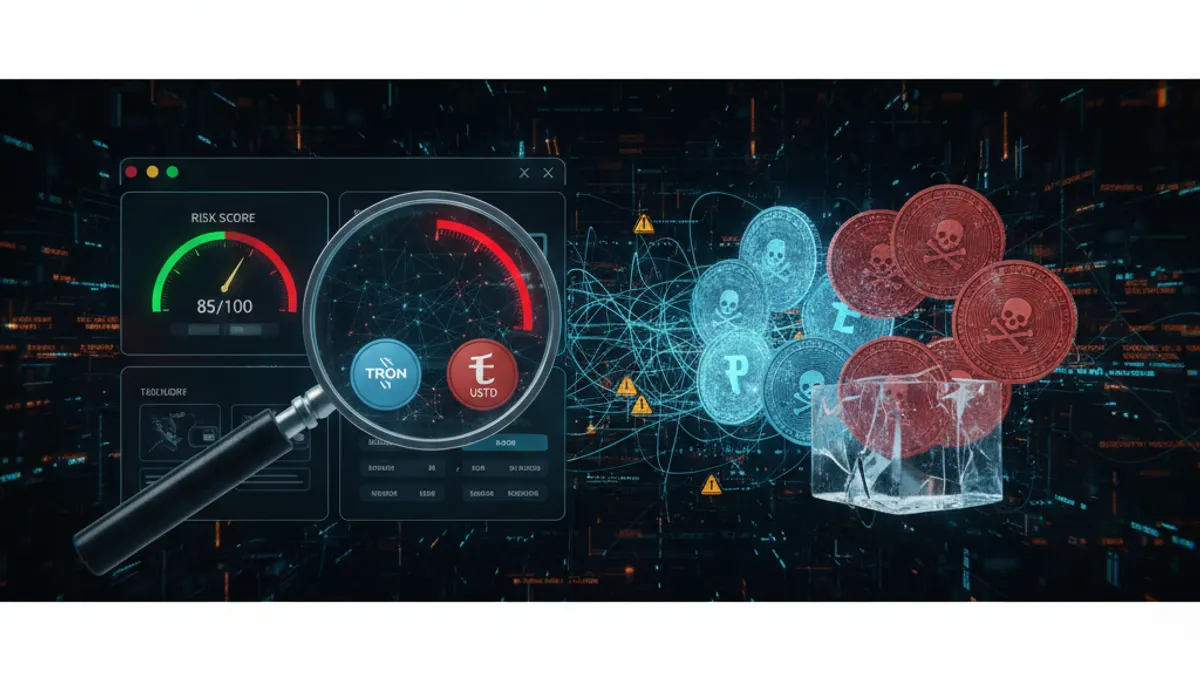
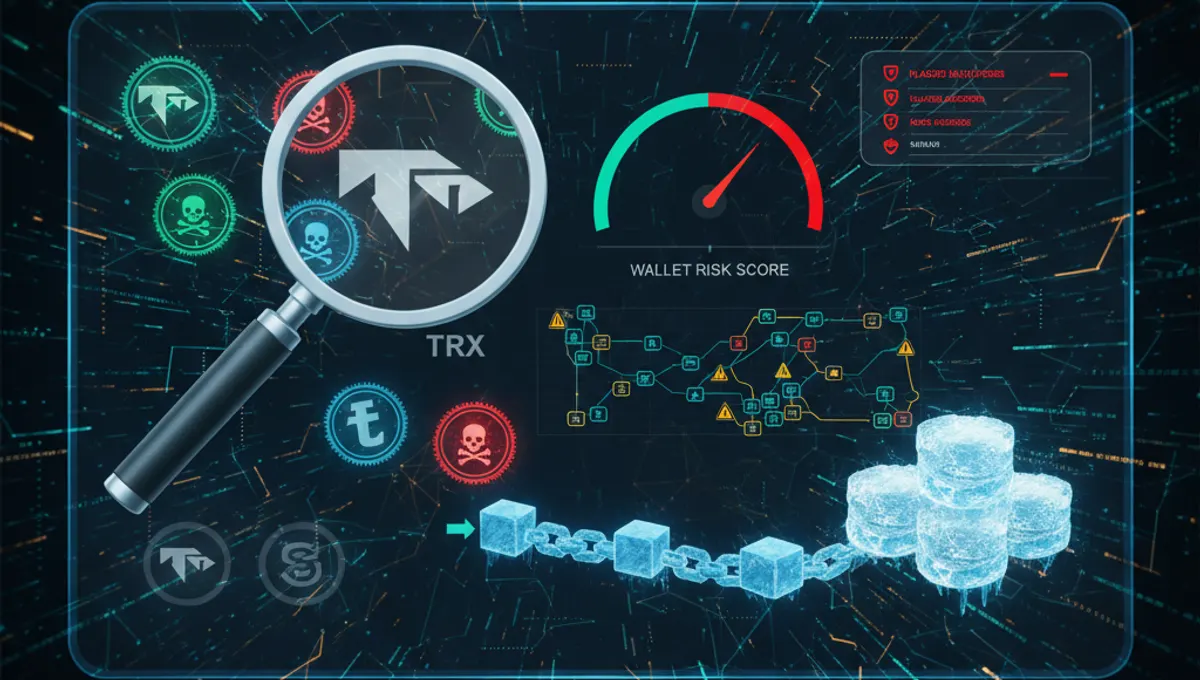
AML checks combine three core screening layers. First, transaction tracing: the service maps the wallet's incoming and outgoing transactions backward through the blockchain to identify the original source. Second, risk database matching: the address is cross-referenced against sanctions lists (OFAC, EU), known theft databases, mixer outputs, and darknet market wallets. Third, behavioral scoring: the system flags patterns like rapid fund movement, mixing service use, or connections to high-risk entities. The result is a risk score (typically 0–100 or low/medium/high) and a detailed report showing which risk factors triggered. Most services complete a check in seconds. The accuracy depends on the size and freshness of the risk database and the depth of transaction analysis performed.
Step-by-Step: How to Check a Wallet Address for AML Risk
Follow these steps to screen a Tron, USDT, or Bitcoin address before a transfer:
- Copy the wallet address you want to check (the one sending or receiving funds).
- Visit a verified AML screening service from our curated AML Services list on this site—these are trusted providers with transparent scoring and real-time updates.
- Paste the address into the search field and select the blockchain (Tron, Ethereum, Bitcoin, etc.).
- Click 'Check' or 'Screen' and wait for the report (usually 5–30 seconds).
- Review the risk score and the detailed findings: any sanctions hits, mixer connections, darknet links, or theft records.
- Read the transaction history summary to understand how the funds moved.
- Decide whether to proceed based on your risk tolerance and the report's findings.
If the address shows medium or high risk, contact the sender for clarification or decline the transfer. If it shows low risk, the transfer is generally safe to accept.
Understanding AML Risk Scores and What They Mean
AML risk scores typically range from 0 (clean) to 100 (high risk), or are labeled as Low, Medium, High, or Critical. Here's what each level signals:
- Low (0–20): No known sanctions hits, theft records, or mixer connections. Safe to accept.
- Medium (21–50): Minor risk flags such as unconfirmed mixer exposure or loose darknet associations. Acceptable for most users; proceed with caution.
- High (51–80): Clear mixer use, multiple darknet connections, or unresolved theft allegations. Most exchanges will flag or freeze these coins.
- Critical (81–100): Direct sanctions hit, confirmed stolen funds, or active darknet market connection. Exchanges will reject and may report to authorities.
Exchanges typically freeze or reject coins scoring above 50–70, depending on their compliance policy. Your personal risk tolerance depends on your jurisdiction and whether you plan to move the coins to an exchange. If you intend to trade or withdraw, keep scores below 30 to avoid rejection.
Common Risk Factors: Mixers, Darknet, Theft, and Sanctions
AML checks flag several specific risk categories:
- Mixer exposure: Funds passed through a mixing service (privacy tool often used to obscure origins). Exchanges treat mixer output as high-risk.
- Darknet connections: Wallet received or sent funds to known darknet market addresses (Silk Road, AlphaBay, etc.). These are typically flagged as critical risk.
- Stolen funds: Address is linked to a confirmed theft, hack, or scam. Victims or law enforcement may have reported the wallet.
- Sanctions: Address belongs to or received funds from a sanctioned entity, country, or individual (OFAC, EU, UN lists). Holding or trading these coins is illegal in many jurisdictions.
- Gambling: Funds originated from or passed through gambling platforms. Some exchanges restrict these; others do not.
- Scam association: Address is tied to a known Ponzi scheme, rug pull, or fraud.
Each risk factor is weighted differently by screening services and exchanges. Mixer exposure alone may not trigger a freeze, but sanctions hits always do.
AML Check Costs and Fee Structures
AML check pricing varies widely depending on the service and depth of screening. Many services offer free basic checks with limited detail—typically showing a risk score and top-level flags. Paid tiers unlock full transaction history, detailed risk breakdowns, and batch screening (checking multiple addresses at once). Some services charge per check (ranging from a few dollars to $20+ for enterprise reports), while others use subscription models ($10–$100+ per month for unlimited checks). A few services on our AML Services list offer free checks with optional paid reports for deeper analysis. For individual users checking occasional addresses, free or low-cost options are usually sufficient. For businesses and exchanges, subscription or per-check pricing is standard. Compare services by checking whether they offer the depth you need—basic risk score versus full transaction mapping—and whether their pricing fits your volume.
What to Do If Your Coins Are Flagged as Dirty or High-Risk
If an AML check reveals that your coins carry high risk or are flagged as tainted, take these steps:
- Do not attempt to send them to an exchange immediately; they will likely be rejected or frozen.
- Review the detailed report to understand the specific risk factor (mixer, sanctions, theft, etc.).
- If the flag is incorrect or outdated, contact the AML service's support team with evidence (transaction receipts, proof of legitimate source).
- If the coins are genuinely tainted (e.g., you unknowingly received stolen funds), consider whether you can trace them back to the original sender and request a refund.
- For sanctions hits or confirmed theft, do not move the coins; holding or trading them may expose you to legal liability.
- If you believe the flag is a false positive, some exchanges allow you to appeal a freeze with supporting documentation.
In most cases, tainted coins cannot be 'cleaned' through mixing or movement; the blockchain history is permanent. The safest approach is to avoid receiving flagged coins in the first place by screening addresses before accepting transfers.
How Exchanges Freeze Accounts and Why AML Checks Prevent It
Exchanges use automated AML screening on deposits and withdrawals. When you deposit coins flagged as high-risk or tainted, the exchange's system triggers a freeze. The account is locked, and your funds are held pending manual review by compliance staff. This review can take days or weeks. If the exchange determines the coins are connected to sanctions, theft, or darknet activity, they may permanently freeze the account and report you to authorities. Even if you're eventually cleared, the freeze damages your trading ability and reputation. By running an AML check before depositing, you avoid this scenario entirely. Screening the sender's address before accepting a transfer is the most effective prevention. If you receive coins from an unknown source, always check them first. Our curated AML Services list includes services that integrate with exchanges, so you can verify addresses using the same standards your exchange uses.
Frequently asked questions
How long does an AML check take?
Most AML checks complete in 5–30 seconds. The service queries the blockchain and cross-references the address against risk databases in real-time. Some detailed enterprise reports may take a few minutes. Free basic checks are typically instant.
Can I do a free AML check on a crypto wallet?
Yes. Many AML services offer free basic checks that show a risk score and top-level flags. Paid tiers unlock full transaction history and detailed breakdowns. For occasional wallet screening, free options are usually sufficient. Check our AML Services list for verified providers offering free tiers.
What does a high AML risk score mean for my coins?
A high risk score (typically 50+) means the coins are likely to be rejected or frozen by exchanges. High-risk flags include mixer exposure, darknet connections, or sanctions hits. Most exchanges will not allow deposits of high-risk coins. Do not attempt to deposit them without resolving the underlying risk factor.
Will an AML check tell me if coins are stolen?
Yes. AML checks cross-reference addresses against theft databases and known scam wallets. If coins are confirmed stolen, the report will flag them as critical risk. However, not all stolen coins are in databases; the check reflects known reports only.
Do I need to do an AML check on every crypto transfer?
For large transfers or coins from unknown sources, yes. For transfers between your own wallets or from trusted exchanges, the risk is lower. Best practice: check any address before accepting a significant amount, especially if the sender is unfamiliar or the source is unclear.