What Does It Mean to Look Up a Crypto Wallet Address
Looking up a crypto wallet involves retrieving and examining the public address and its associated transaction history on the blockchain. Every wallet address is a unique identifier—a string of letters and numbers—that appears on the ledger. A crypto wallet explained simply: it's a digital container that holds private and public keys; the public key generates the address you share with others. When you look up a wallet address, you're accessing immutable records of all transactions linked to that address. This is possible because blockchain transactions are transparent and permanently recorded. The lookup itself is free and instant on any blockchain explorer, but interpreting the data—especially for compliance—requires additional screening tools that check against AML databases, sanctions lists, and known darknet wallets.
How to Look Up a Wallet Address on a Blockchain Explorer
Step-by-step process to find and view a wallet address:
- Choose a blockchain explorer for the network you need (Etherscan for Ethereum, Tronscan for Tron, Blockchain.com for Bitcoin).
- Paste the wallet address into the search bar.
- Review the transaction history, balance, and connected addresses.
- Check the creation date and activity timeline.
- Note any large or unusual transfers.
- Look for connections to known exchange wallets or smart contracts.
The explorer shows you the address balance, total transactions sent and received, and a complete ledger of every movement. You can see which addresses have interacted with the wallet and trace fund flows backward and forward. However, blockchain explorers do not reveal the owner's identity or compliance status. For that, you need to cross-reference the address against AML screening databases and transaction monitoring tools. Our curated list of verified AML services on this site includes tools that automate this lookup and provide risk scoring in seconds.
Understanding Crypto Wallet Risk Scores and AML Checks
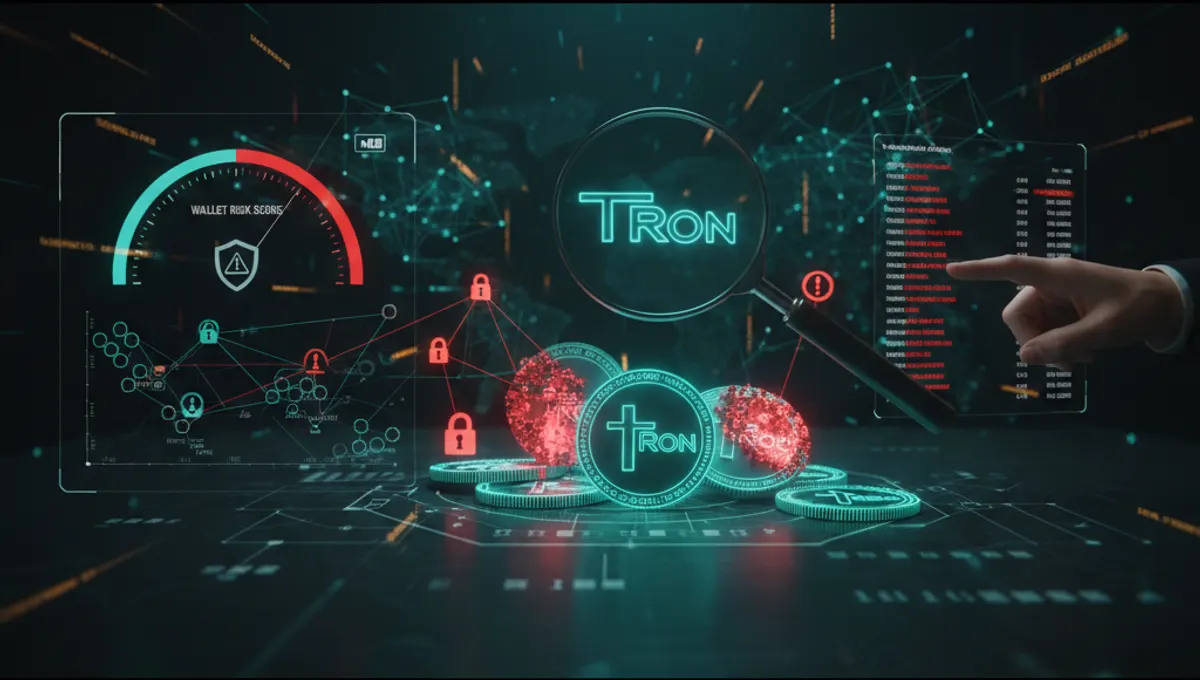
A crypto wallet risk score is a numerical or categorical rating that indicates the likelihood a wallet is associated with illicit activity, sanctions, or stolen funds. AML (Anti-Money Laundering) checks screen wallet addresses against multiple data sources:
- Sanctions lists (OFAC, EU, UN designations)
- Known darknet market wallets
- Stolen funds databases
- Mixer and tumbler services
- Scam and fraud reports
- Gambling platforms (jurisdiction-dependent)
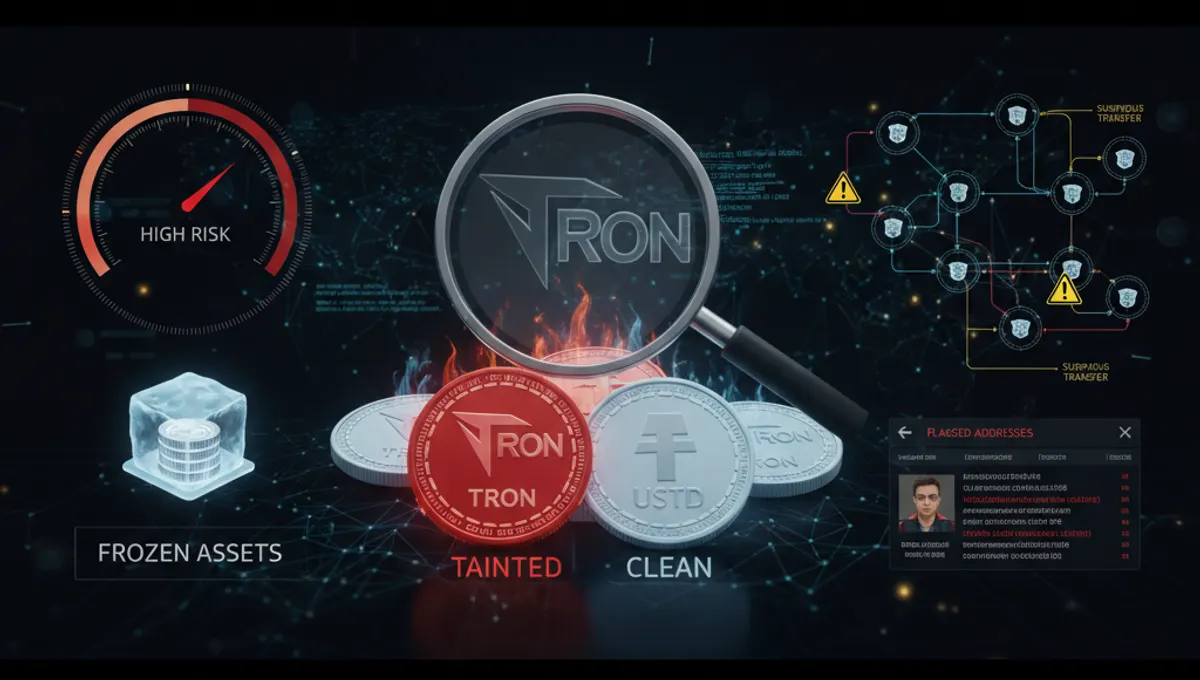
Risk scores typically range from low (clean, minimal exposure) to high (direct links to illicit activity). A wallet with a high risk score does not necessarily mean the current holder is guilty, but it signals caution: the address may have received tainted coins in the past, or it may be flagged for further investigation. Exchanges and custodians use these scores to decide whether to accept deposits or freeze accounts. Understanding your wallet's risk score before sending USDT, TRX, or BTC helps you avoid receiving flagged funds that could result in frozen accounts or compliance issues.
Step-by-Step: How to Check a Wallet Before Receiving Crypto
Before accepting a transfer, follow this process:
- Request the sender's wallet address.
- Look up the address on a blockchain explorer to verify it exists and has legitimate transaction history.
- Use an AML screening tool to check the address against sanctions and darknet databases.
- Review the risk score and any flags or alerts.
- If the score is low or acceptable, proceed; if high, ask the sender for clarification or decline.
- After receiving funds, run a follow-up check on your own wallet to confirm the incoming transaction is not flagged.
Acceptable risk thresholds depend on your jurisdiction and institution. A low-risk wallet typically has no sanctions exposure, no direct mixer connections, and a clean transaction history. Medium-risk wallets may have minor flags but no critical issues. High-risk wallets show direct links to darknet markets, stolen funds, or sanctioned entities and should be avoided. Our AML services directory lists tools that provide instant risk scoring and detailed reports, making this verification process fast and reliable.
Common Reasons Wallets Get Flagged and What Happens Next
A wallet can be flagged for several reasons:
- Receiving funds from a mixer or tumbler service (privacy concern)
- Transaction history linked to a known darknet marketplace
- Previous association with a scam or Ponzi scheme
- Receiving stolen cryptocurrency
- Interaction with a sanctioned entity or individual
- Rapid movement of large sums (structuring pattern)
When a wallet is flagged, exchanges and custodians may freeze the account, require additional KYC documentation, or reject deposits entirely. If your wallet receives tainted coins, you may not be able to withdraw or trade them without compliance review. In some cases, frozen USDT or other stablecoins cannot be recovered without legal intervention. The best defense is to screen wallets before accepting transfers and maintain clean transaction records. If your wallet is flagged, contact the exchange or service provider for clarification and be prepared to provide proof of the fund source.
Crypto Wallet Fees and Screening Costs
Looking up a wallet address on a blockchain explorer is free. However, professional AML screening services charge fees based on the number of checks, data depth, and reporting features. Crypto wallet fees for compliance screening typically range from pay-per-check models (a few dollars per address) to monthly subscriptions for businesses. Some services offer a limited number of free checks per month, while others charge for detailed reports that include sanctions matching, darknet exposure analysis, and transaction history tracing. When evaluating services, consider the accuracy of their databases, update frequency, and whether they cover all relevant blockchains (Tron, Ethereum, Bitcoin, etc.). Our verified AML services list includes options at different price points and feature levels, helping you choose the right tool for your needs without overpaying for unnecessary features.
Best Practices for Wallet Verification and Compliance
To maintain a clean wallet and avoid compliance issues:
- Screen every incoming address before accepting transfers.
- Keep records of all verification checks and results.
- Use consistent AML screening tools so your data is comparable over time.
- Avoid wallets with high-risk scores or unexplained flags.
- If you receive flagged funds accidentally, report it to your exchange immediately.
- Do not use mixers or privacy services if you operate in a regulated jurisdiction.
- Maintain clear documentation of fund sources for your own wallets.
Regular wallet monitoring is especially important if you receive frequent transfers or operate a business. Some AML services offer transaction monitoring that alerts you to suspicious activity in real-time. By building verification into your workflow, you reduce the risk of frozen accounts, regulatory scrutiny, and compliance penalties. Start with our curated directory of verified AML services to find a tool that fits your volume and compliance requirements.
Frequently asked questions
Can I look up any crypto wallet address for free
Yes, you can look up any public wallet address on a blockchain explorer for free. Explorers like Etherscan, Tronscan, and Blockchain.com show transaction history and balances instantly. However, professional AML screening and risk scoring typically require a paid service or limited free tier.
What information can I see when I look up a wallet address
A blockchain explorer shows the wallet's balance, total transactions, transaction history with dates and amounts, connected addresses, and any associated smart contracts or tokens. It does not reveal the owner's identity, but it does display all on-chain activity permanently.
How do I know if a wallet is safe before sending crypto
Look up the address on a blockchain explorer to check its history, then run it through an AML screening tool to check for sanctions, darknet exposure, and stolen funds. A low risk score and clean transaction history indicate the wallet is likely safe. Avoid wallets with high-risk flags or unexplained connections to illicit activity.
What does a high crypto wallet risk score mean
A high risk score indicates the wallet has been flagged for potential illicit activity, such as receiving funds from a mixer, darknet market, or sanctioned entity. It does not prove guilt but signals caution. Exchanges may freeze accounts or reject deposits from high-risk wallets.
Can I recover funds if I accidentally receive tainted crypto
Recovery is difficult and depends on your exchange and jurisdiction. If your account is frozen due to tainted funds, contact your exchange for clarification and provide proof of the fund source. In most cases, you cannot recover frozen USDT or other assets without legal intervention or compliance review.