What Are OFAC Sanctions Screening Requirements?
OFAC (Office of Foreign Assets Control) is a U.S. Treasury department that maintains lists of sanctioned entities, including individuals, organizations, and countries. Sanctions screening requirements mandate that financial institutions and cryptocurrency exchanges verify that wallet addresses, transaction participants, and beneficial owners do not appear on these lists before processing transfers. The primary OFAC list is the Specially Designated Nationals (SDN) list, which contains thousands of blocked entities. Crypto exchanges and custodians must screen incoming and outgoing transactions to comply with U.S. law. Non-compliance can result in account freezes, transaction reversals, and regulatory penalties. Even if you are not a U.S. entity, many exchanges operating globally enforce OFAC screening to maintain banking relationships and avoid sanctions violations.
Types of Sanctions Screening in Cryptocurrency
Sanctions screening in crypto involves multiple overlapping checks. Address-level screening matches wallet addresses against OFAC lists and other sanctions databases. Transaction screening monitors the flow of funds to detect if coins have passed through sanctioned wallets or darknet markets. Beneficial ownership screening identifies the real person or entity controlling a wallet, particularly for exchange accounts. Geographical screening flags transactions involving sanctioned countries such as Iran, North Korea, and Syria. Mixer and tumbler detection identifies coins that have been deliberately obscured through privacy tools, which raises compliance red flags. Darknet market exposure screening checks whether coins have been associated with illegal marketplaces. Each type serves a different compliance purpose, and most institutional AML checks combine multiple screening methods to provide a comprehensive risk assessment.
How AML Check Requirements Relate to OFAC Screening
AML (Anti-Money Laundering) checks and OFAC screening are complementary but distinct. OFAC screening specifically checks against government sanctions lists, while AML checks assess broader money laundering risk, including stolen funds, scam proceeds, and high-risk transaction patterns. An AML check typically includes OFAC screening as one component, along with transaction history analysis, wallet age, and behavioral risk scoring. When you receive a crypto wallet screening report, the AML risk score usually incorporates OFAC match results. A wallet can pass OFAC screening but still carry high AML risk if it has received stolen funds or has been flagged by blockchain analytics. Conversely, a wallet might have low AML risk but still trigger OFAC alerts if it has received even small amounts from sanctioned entities. Both checks are required for institutional compliance, and many exchanges perform them simultaneously before crediting deposits.
Crypto Wallet Screening and Fake Crypto Wallet Screening
Crypto wallet screening examines the transaction history and risk profile of a blockchain address before you accept funds or send coins. Legitimate screening tools query blockchain data, cross-reference addresses against known risk databases, and calculate a risk score based on transaction patterns and associations. Fake crypto wallet screening refers to unreliable or fraudulent screening services that claim to verify wallets but provide inaccurate results or sell false security. Red flags for fake screening include services that charge unusually low fees, guarantee 100% accuracy, or do not disclose their data sources. Legitimate screening relies on blockchain analytics, OFAC databases, and transaction monitoring. When evaluating a wallet before receiving USDT or TRX, use only established AML services that are transparent about their methodology. Our curated list of verified AML services on this site includes tools that perform genuine OFAC and sanctions screening with documented accuracy and compliance certifications.
Acceptable Risk Score Thresholds and What They Mean
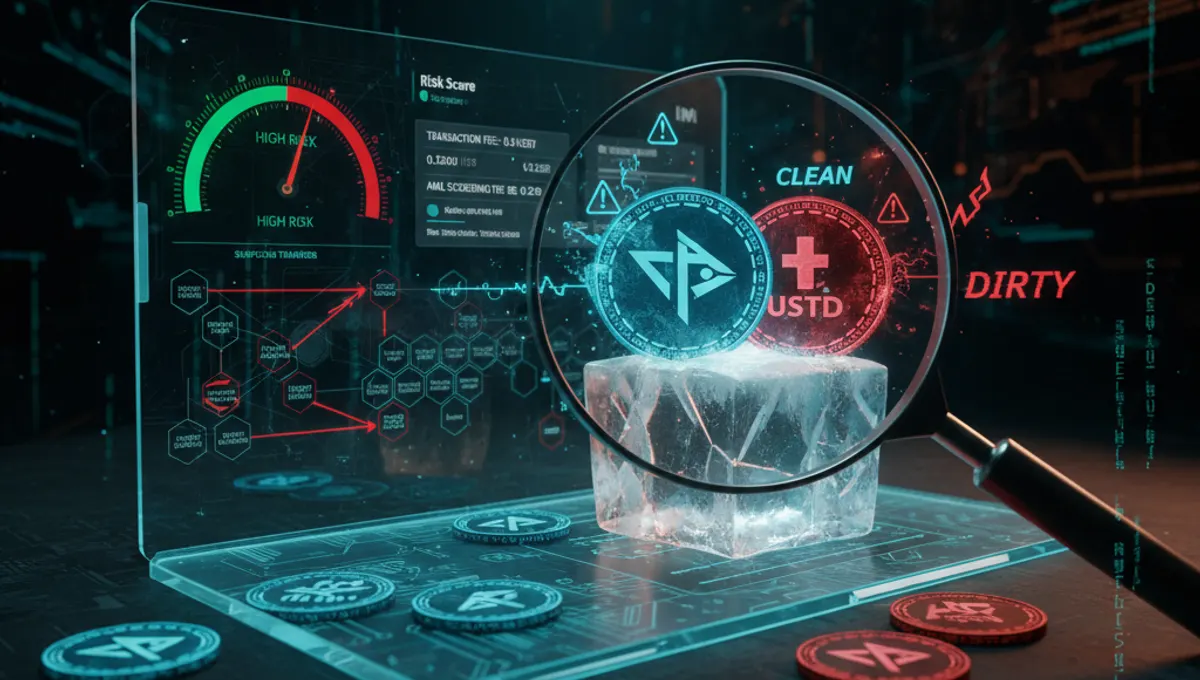
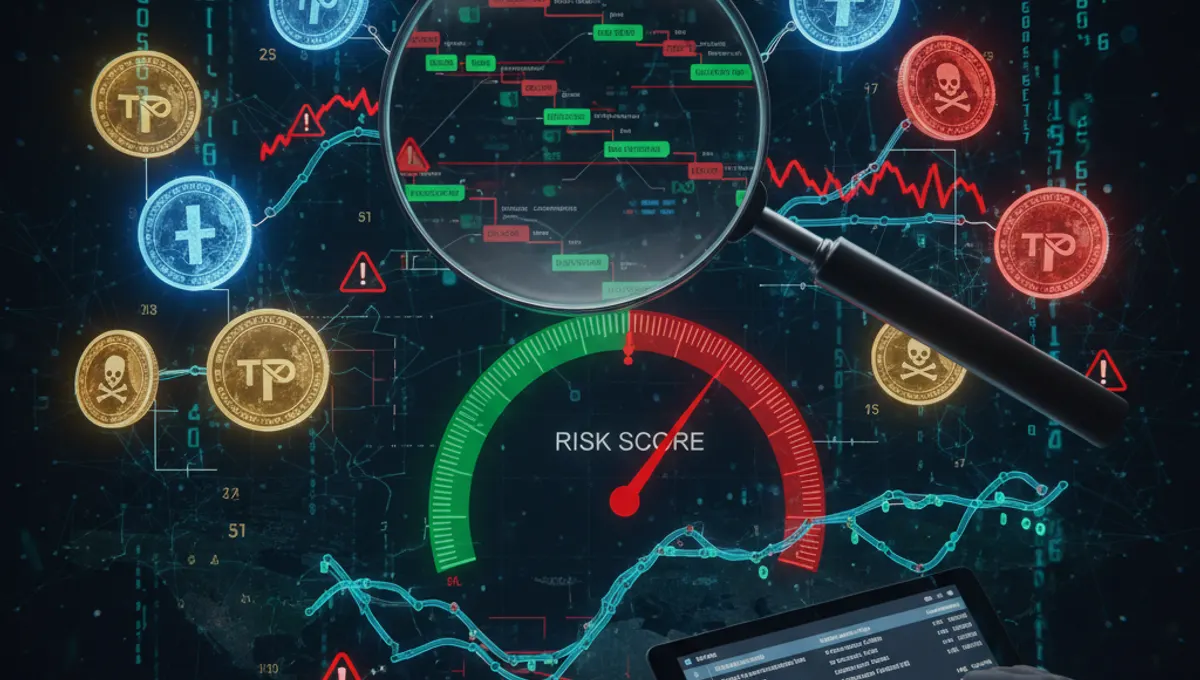
Risk scores from AML checks typically range from 0 to 100 or are categorized as Low, Medium, High, or Critical. A score below 20 generally indicates minimal OFAC or sanctions risk and is acceptable for most transactions. Scores between 20 and 50 suggest moderate risk, often due to mixer exposure or transaction with higher-risk wallets; many exchanges accept these with additional review. Scores above 50 indicate significant risk, such as darknet association or stolen fund history, and most exchanges will block or freeze these transactions. Critical scores (above 80) usually mean the wallet has direct OFAC matches, sanctioned country exposure, or clear illegal activity links. Different institutions set their own thresholds; some accept only scores below 30, while others tolerate up to 50. Before sending or receiving crypto, check the wallet's risk score through a trusted AML service and confirm your exchange's threshold policy. If a wallet scores above your exchange's limit, do not proceed with the transfer.
How to Check a Wallet Before Receiving USDT or TRX
Follow these steps to screen a wallet address before accepting a transfer: First, obtain the complete wallet address from the sender and verify it matches their stated address (confirm via a second communication channel if possible). Second, copy the address into a blockchain explorer to view its transaction history and balance. Third, run the address through an AML screening tool to generate a risk report that includes OFAC matches, transaction patterns, and associated risk categories. Fourth, review the report for red flags such as darknet market exposure, mixer usage, or sanctioned entity connections. Fifth, check your exchange or custodian's acceptable risk thresholds and confirm the wallet meets them. Sixth, if the score is acceptable, proceed with the transfer; if not, request an alternative address from the sender or decline the transaction. For TRC20 USDT or TRX addresses, use tools that specifically support Tron blockchain scanning. For Bitcoin or Ethereum, use multi-chain screening services. Always verify the wallet's risk score before crediting funds to your account to avoid receiving tainted coins that could trigger account freezes.
What Happens When Coins Are Flagged as Tainted or Sanctioned
If you receive coins flagged as tainted (stolen, from scams, or associated with illegal activity) or sanctioned (linked to OFAC-listed entities), your exchange account may be frozen pending investigation. Exchanges typically detect flagged coins during automated AML screening and may lock your account within hours or days. You will receive a notification explaining the freeze and may be asked to provide proof of the coin's source or your own identity verification. If the coins are confirmed as stolen or directly sanctioned, the exchange will likely permanently freeze them and may close your account. If the association is indirect or low-confidence, the freeze may be temporary while compliance reviews the transaction. To recover frozen funds, you must cooperate with the exchange's investigation, provide documentation of your transaction, and sometimes prove you were an unwitting recipient. The best defense is to screen wallets before accepting transfers. If you cannot recover frozen coins, they are typically forfeited to the exchange or government. Always use verified AML services from our curated list to screen wallets and avoid this situation.
Frequently asked questions
Do I need to perform OFAC sanctions screening on every crypto wallet I receive from?
Yes, if you are a financial institution or exchange, OFAC screening is mandatory. If you are an individual, it is not legally required, but screening protects you from receiving stolen or sanctioned funds that could freeze your exchange account. Most exchanges screen all deposits automatically, so you benefit from their compliance.
What is the difference between OFAC screening and AML checks?
OFAC screening specifically checks against U.S. Treasury sanctions lists. AML checks are broader and assess money laundering risk, including stolen funds, scams, and transaction patterns. Most AML reports include OFAC screening as one component, so a single AML check covers both requirements.
What risk score is safe for receiving USDT or TRX?
Generally, a risk score below 20 is safe and widely accepted. Scores between 20 and 50 may be accepted with additional review. Scores above 50 are high-risk and most exchanges will block the transaction. Always check your exchange's specific threshold before proceeding.
Can I recover coins if they are flagged as tainted after I receive them?
Recovery depends on the reason for the flag. If the coins are confirmed as stolen or directly sanctioned, recovery is unlikely and they will be forfeited. If the flag is an error or indirect association, the exchange may unfreeze them after investigation. Screening before accepting transfers is the best prevention.
How do I know if a wallet screening service is legitimate or fake?
Legitimate services are transparent about their data sources, provide detailed reports, and charge reasonable fees. Fake services guarantee 100% accuracy or charge suspiciously low fees. Use only verified AML services listed on trusted compliance platforms to ensure accurate OFAC and sanctions screening.