What Is AML in Cryptocurrency
AML stands for Anti-Money Laundering, a set of regulatory and compliance practices designed to prevent illicit funds from entering the financial system. In cryptocurrency, AML crypto extends these principles to blockchain addresses and transactions. Unlike traditional banking, where a single institution controls account verification, blockchain transactions are pseudonymous—meaning a wallet address is a string of characters with no inherent identity attached. AML crypto services use blockchain analytics to trace transaction history, link addresses to known entities (exchanges, darknet markets, mixers, scam wallets), and flag high-risk activity. When you receive USDT on Tron or Bitcoin, an AML check examines whether those coins have been involved in theft, sanctions violations, or other illicit activity. The result is a risk score that tells you whether the coins are clean or tainted.
How AML Risk Scoring Works
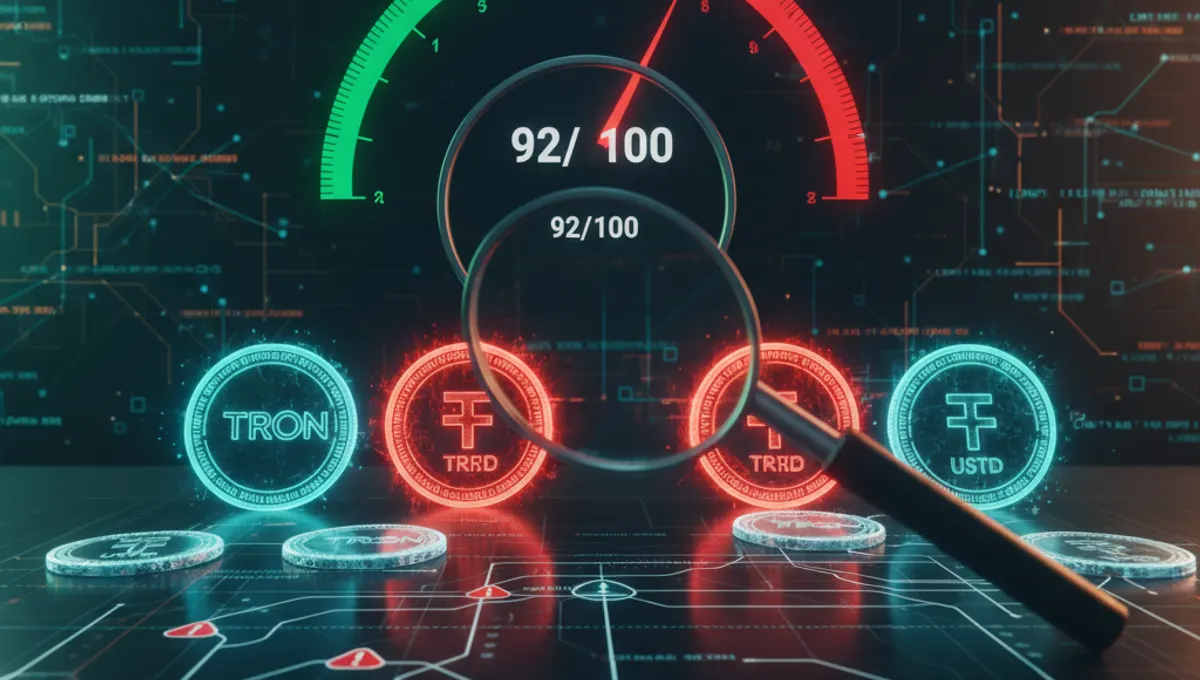
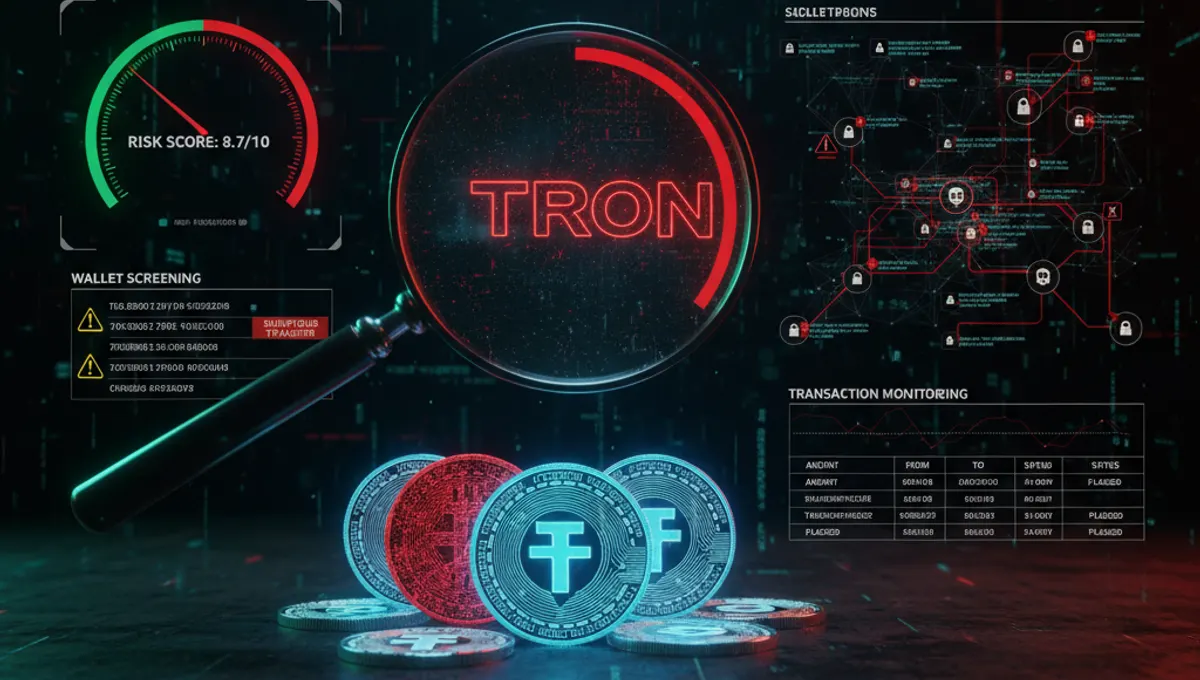
An AML risk score is a numerical rating—typically on a scale from 0 to 100 or 0 to 10—that indicates the likelihood a wallet or transaction is associated with illicit activity. Risk scores are calculated by analyzing several factors: transaction history (where the coins came from), wallet age and activity patterns, association with known high-risk entities, and exposure to sanctioned jurisdictions or darknet markets. A low score (e.g., 0–20) suggests clean coins with minimal red flags. A medium score (20–50) indicates some suspicious activity but not necessarily illegal. A high score (50+) signals strong indicators of taint, such as direct links to stolen funds, mixer usage, or sanctioned entity involvement. Exchanges and custodians use these scores to decide whether to accept deposits, process withdrawals, or freeze accounts. A single high-risk transaction can trigger account restrictions, even if the rest of your portfolio is clean.
What Are Red Flags in AML Crypto Screening
Red flags in AML crypto screening are patterns or associations that suggest illicit activity. Common red flags include: coins originating from a known mixer or tumbler service, direct transaction links to darknet markets or illegal marketplaces, addresses flagged on sanctions lists (OFAC, UN, EU), coins linked to confirmed theft or ransomware attacks, rapid movement between wallets in a short time (structuring), and transactions involving high-risk jurisdictions. A Tron address that received USDT from a mixer, for example, would be flagged as high-risk even if the current owner didn't use the mixer themselves. Gambling platforms and certain DeFi protocols are also sometimes flagged as medium-risk due to regulatory uncertainty. The key insight is that a red flag doesn't necessarily mean you committed a crime—it means the coins have a suspicious history that exchanges and regulators view as a compliance liability.
How to Check a Wallet Before Receiving Crypto
Before accepting USDT, TRX, or BTC, you should verify the sender's wallet address for AML risk. Here's a practical step-by-step approach:
- Ask the sender for their wallet address or transaction hash.
- Visit a trusted AML screening service—our curated AML Services directory lists verified providers that offer wallet checks.
- Enter the sender's address (e.g., a Tron address for TRX) into the screening tool.
- Review the risk score and flagged categories (sanctions, mixers, darknet, theft).
- If the score is low (under 20–30, depending on your risk tolerance), proceed with the transaction.
- If the score is high or medium with unexplained flags, ask the sender to clarify the transaction history or decline the transfer. This process takes minutes and can prevent you from receiving frozen or seized coins. Many exchanges now require this check before large deposits.
What Happens When Your Crypto Is Flagged as Dirty
If you receive tainted coins and they're flagged during an exchange deposit or withdrawal, several outcomes are possible. The exchange may: freeze your account pending investigation, reject the deposit or withdrawal outright, or in severe cases, permanently close your account and lock your funds. This happens because exchanges face regulatory pressure and potential penalties for facilitating transactions involving stolen funds or sanctions violations. Even if you received the coins unknowingly, the exchange has no way to verify your intent, so they err on the side of caution. Frozen USDT or other assets can remain locked for weeks or months while compliance teams investigate. In some jurisdictions, you may need to provide proof of the transaction's legitimacy (e.g., a receipt showing you purchased the coins from a legitimate source) to recover access. The safest approach is to screen wallets before receiving large amounts and to use exchanges that offer transparent AML policies.
Safe Crypto Wallet Practices and AML Compliance
A safe crypto wallet combines security (protecting your private keys) with compliance (avoiding tainted coins). Best practices include: use a reputable wallet provider with built-in transaction monitoring, verify the sender's address before accepting large transfers, regularly check your wallet's AML risk score using a trusted screening service, avoid receiving coins from unknown sources or mixers, and keep records of all significant transactions for tax and compliance purposes. If you're a business or high-volume trader, consider using a custodian or exchange with integrated AML/KYC (Know Your Customer) tools. Personal wallets (hardware or software) don't automatically screen incoming transactions, so the responsibility falls on you to verify. The safest crypto wallet is one where you actively manage risk by checking addresses before transactions. Our AML Services page lists verified providers that offer wallet screening—starting with one of these trusted services is the best first step toward compliance.
AML Crypto Check: Free vs. Paid Services
Free AML crypto checks typically offer basic risk scoring for a single address, with limited transaction history and no detailed reporting. Paid services provide deeper analysis, batch address screening, API access for automated checks, and detailed compliance reports suitable for businesses. Free tools are useful for one-off checks before receiving a transfer, but they often lack the comprehensive data that paid services access. Paid services typically cost between a few dollars per check to monthly subscriptions for high-volume users. When choosing a service, verify that it covers the blockchain you need (Tron, Bitcoin, Ethereum, etc.) and that it updates its sanctions and theft databases regularly. Our curated AML Services directory compares verified providers, their pricing, coverage, and accuracy—using one of these trusted services ensures your screening is reliable and compliant with industry standards.
Frequently asked questions
What is a safe crypto wallet and how does AML fit in
A safe crypto wallet protects your private keys and screens incoming transactions for tainted coins. Safety combines security (encryption, backup) with compliance (AML checks). Use a wallet from a reputable provider, verify sender addresses before accepting transfers, and regularly check your wallet's risk score using a trusted AML service. Hardware wallets offer strong security but require manual AML screening; exchange wallets often include built-in compliance tools.
What is the safest crypto wallet for receiving USDT
The safest crypto wallet for USDT is one with strong security and integrated AML screening. Reputable exchange wallets (Kraken, Coinbase) offer built-in compliance checks. For self-custody, use a hardware wallet (Ledger, Trezor) combined with manual AML screening before accepting large transfers. Always verify the sender's address and check its risk score using a trusted service before receiving USDT.
What is a Tron address and how do I check it for AML risk
A Tron address is a 34-character string starting with 'T' that identifies a wallet on the Tron blockchain. To check a Tron address for AML risk, enter it into a verified screening service (available on our AML Services page), which will return a risk score and flag any associations with mixers, sanctions, theft, or darknet activity. Review the score and transaction history before sending or receiving TRX or USDT.
What happens if I receive dirty crypto by mistake
If you receive tainted coins unknowingly, your exchange account may be frozen when you try to deposit or withdraw. The exchange will investigate, and you may need to provide proof of the transaction's legitimacy. Recovery can take weeks. To avoid this, always screen the sender's wallet address before accepting large transfers using a trusted AML service.
What is a red flag in AML crypto screening
Red flags include coins from mixers or tumblers, links to darknet markets, sanctions list associations, confirmed theft or ransomware origins, rapid wallet-to-wallet movement, and high-risk jurisdiction exposure. A single red flag doesn't prove guilt but signals compliance risk. Exchanges use red flags to decide whether to accept or freeze accounts. Screen addresses before transactions to identify red flags early.