What Are Wallet Checks and How Do They Work
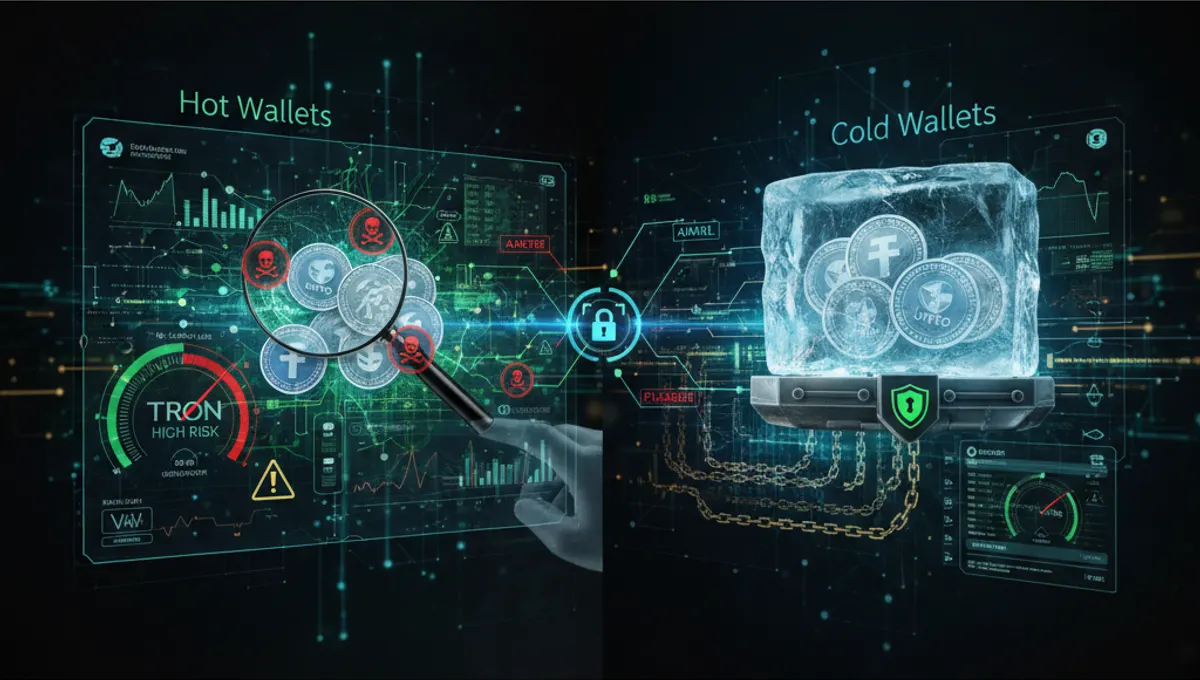
Wallet checks examine the on-chain history of a cryptocurrency address to identify risk factors. They scan blockchain records to detect patterns associated with illicit activity, including transactions through mixing services, connections to known darknet marketplaces, and transfers from stolen fund wallets. A wallet check typically returns a risk score—usually on a scale from low to critical—based on the address's transaction patterns and counterparty exposure. The screening cross-references the address against sanctions lists, law enforcement databases, and known scam wallets. Unlike KYC (Know Your Customer) checks, which verify a person's identity, wallet checks focus purely on the on-chain behavior and compliance history of the address itself. This distinction matters because a legitimate person might unknowingly receive coins from a compromised source, and a wallet check flags that risk before it becomes your problem.
What Is a Safe Crypto Wallet and What Makes It Low-Risk
A safe crypto wallet is one with a clean transaction history, no links to illicit services, and no prior exposure to stolen or sanctioned funds. Low-risk wallets typically show straightforward deposit and withdrawal patterns, often tied to regulated exchanges or known institutional addresses. They have no history of interaction with mixing protocols, gambling platforms flagged for fraud, or darknet marketplaces. Risk factors that lower a wallet's safety rating include: transactions through Tornado Cash or similar mixers; transfers to or from addresses flagged in law enforcement investigations; connections to known Ponzi schemes or rug-pull projects; and receipt of funds from sanctioned entities or high-risk jurisdictions. A wallet's age also matters—older addresses with consistent, transparent activity are generally considered safer than brand-new wallets with sudden large inflows. When evaluating whether a wallet is safe, check its risk score through a blockchain analytics service; most reputable services categorize scores into bands like low (0–20%), medium (20–50%), high (50–80%), and critical (80–100%).
How to Check a Wallet Before Receiving USDT or TRX
Before accepting a transfer of USDT (TRC20), TRX, or any major cryptocurrency, follow these steps to screen the sending wallet:
- Obtain the sender's wallet address and verify it matches the stated source.
- Visit a trusted AML screening service (our curated AML Services page lists verified options).
- Paste the wallet address into the screening tool.
- Review the risk score and detailed report, which will flag any known associations with mixers, darknet activity, or sanctions lists.
- Check the transaction history summary to see whether the wallet has received funds from suspicious sources.
- If the risk score is low to medium and the source is known to you, proceed with caution or request clarification.
- If the risk score is high or critical, decline the transfer or investigate further before accepting.
For TRC20 tokens on the Tron network, the same process applies—paste the Tron address into your screening tool. Most services provide a detailed breakdown of the wallet's counterparty risk, showing which exchanges, services, or high-risk entities it has transacted with. This step takes minutes and can prevent you from receiving frozen or blacklisted coins that exchanges will reject or that could trigger compliance reviews of your own account.
Understanding Risk Scores and What They Mean
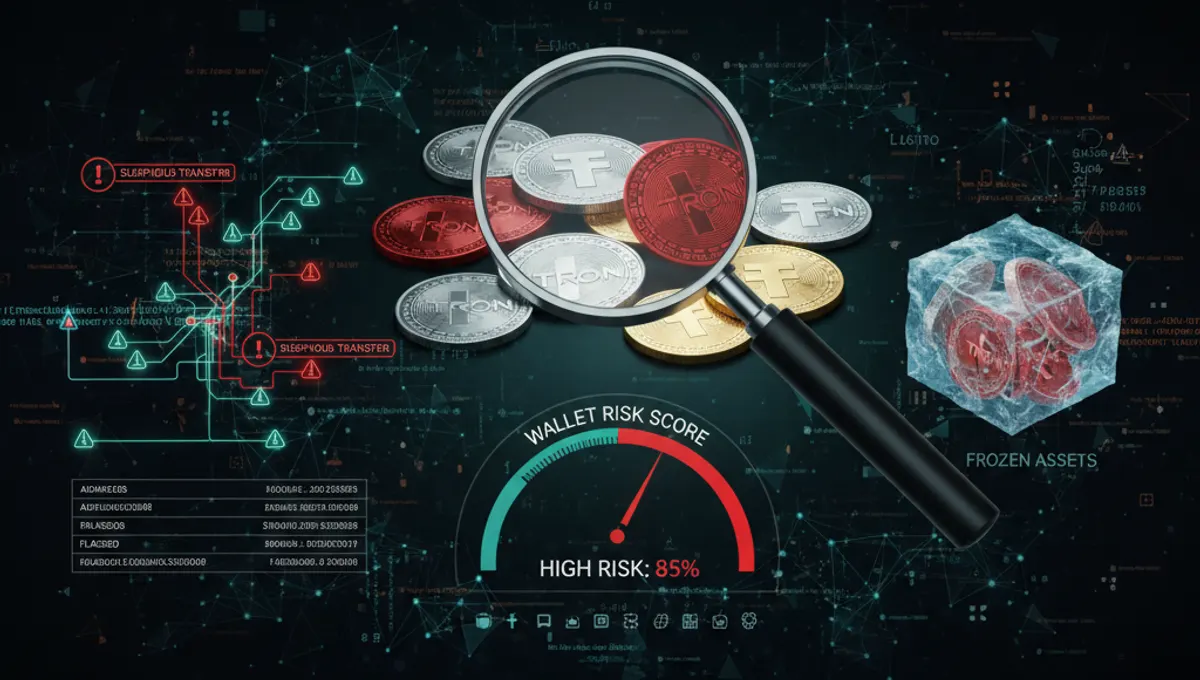
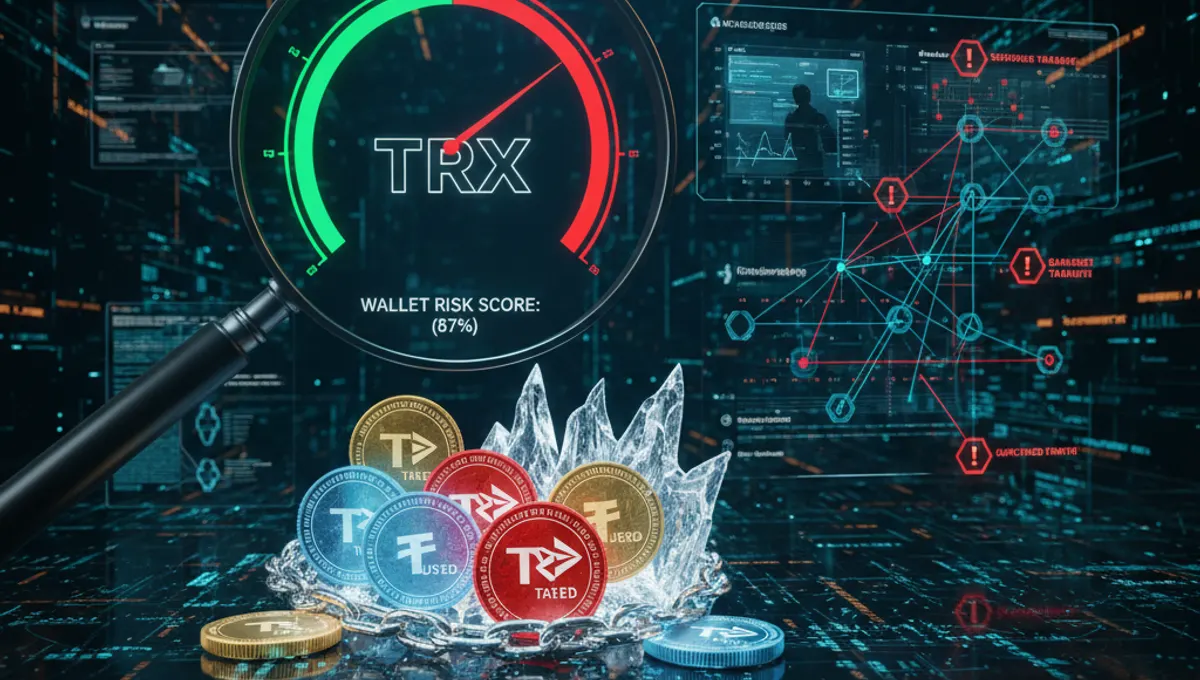
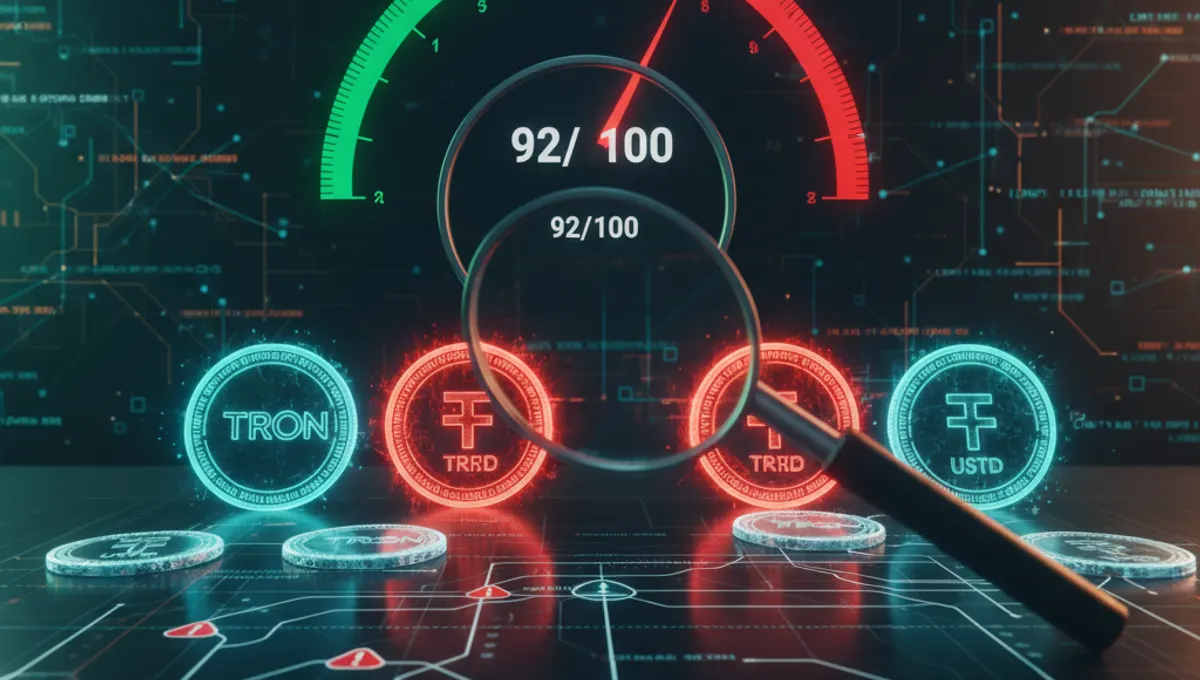
A wallet's risk score is a numerical rating that reflects the likelihood of the address being involved in illicit activity or compliance violations. Risk scores typically range from 0 to 100, with lower scores indicating cleaner transaction histories. Here's how most services categorize them:
- Low (0–20%): Minimal red flags; wallet shows standard exchange or personal use patterns.
- Medium (20–50%): Some exposure to higher-risk services or counterparties, but not necessarily illegal; may warrant review.
- High (50–80%): Significant connections to mixers, gambling, or other high-risk categories; exchanges may flag or freeze the wallet.
- Critical (80–100%): Direct links to darknet markets, stolen funds, or sanctioned entities; most exchanges will reject deposits from this wallet.
Risk scores are not binary judgments of legality—they reflect statistical likelihood based on on-chain behavior. A wallet with a medium score might belong to someone who used a mixer for privacy reasons, which is legal in many jurisdictions but raises compliance concerns for regulated exchanges. A high or critical score usually means the wallet has received funds traceable to known scams, theft, or sanctions violations. When you receive a transfer from a high-risk wallet, your own exchange account may be flagged for review, and the coins may be frozen pending compliance investigation. Understanding these bands helps you make informed decisions about which transfers to accept.
What Happens When Coins Are Flagged as Dirty or Tainted
When coins are flagged as tainted—meaning they have a traceable link to theft, fraud, or sanctions violations—several consequences can follow. First, if you deposit those coins into a regulated exchange, the exchange's AML monitoring system will likely detect the taint and freeze your account pending investigation. The freeze can last days or weeks while compliance teams review the transaction history. In some cases, the exchange may permanently close your account and refuse to process withdrawals. Second, you may face legal liability if you knowingly received stolen funds or violated sanctions regulations, depending on your jurisdiction. Third, the coins themselves may become unspendable—while blockchain transactions are technically irreversible, exchanges and payment processors will reject deposits from flagged addresses, making the coins illiquid. To avoid this, screen wallets before accepting transfers and decline high-risk deposits. If you've already received tainted coins, consult a compliance specialist or legal advisor in your jurisdiction before attempting to move or exchange them. Our AML Services page lists screening tools that can help you identify tainted coins early and avoid these complications.
AML Checks Cost and Free Screening Options
AML checks vary widely in cost depending on the service and depth of analysis. Many blockchain analytics platforms offer free basic wallet screening—a simple risk score and transaction summary—as an entry point. These free tiers typically cover single-address lookups and provide a risk rating without detailed forensic analysis. Premium or enterprise AML services charge per lookup or via subscription models, ranging from a few dollars per check to thousands per month for continuous monitoring and advanced reporting. Some exchanges bundle AML screening into their deposit process at no direct cost to users, though the cost is built into trading fees. For individuals checking a single wallet before a transfer, free screening tools are usually sufficient. For businesses processing multiple transfers daily or requiring detailed compliance documentation, paid services offer better reporting, faster turnaround, and legal defensibility. When choosing a service, verify that it covers the blockchain you need (Tron, Ethereum, Bitcoin, etc.) and that it updates its risk databases regularly. Our AML Services page compares verified providers and their pricing models, helping you find the right tool for your use case without overpaying for features you don't need.
How Exchanges Freeze Accounts and Prevent Tainted Coin Deposits
Regulated exchanges use automated transaction monitoring systems to detect deposits from high-risk wallets. When you send coins from a flagged address to an exchange, the exchange's AML software immediately flags the deposit. The system compares the sending address against internal and external risk databases, checking for known associations with mixers, darknet markets, sanctions lists, and stolen fund wallets. If the risk score exceeds the exchange's internal threshold, the deposit is held and your account is flagged for manual review. Compliance teams then investigate the source of the funds, contact you for documentation, and decide whether to release the coins or freeze your account. In cases of confirmed sanctions violations or direct theft, exchanges are legally required to freeze the account and report the activity to financial authorities. Even if the coins are eventually released, the investigation can take weeks, during which you cannot withdraw or trade. To prevent this, check the sending wallet's risk score before accepting the transfer. If you're sending coins from your own wallet to an exchange, ensure your wallet has a clean history and hasn't received tainted funds. Using our curated AML Services page, you can screen your own wallet proactively and address any issues before attempting a deposit.
Frequently asked questions
What is the difference between wallet checks and KYC checks
Wallet checks analyze the on-chain history and risk profile of a cryptocurrency address, flagging illicit activity or tainted funds. KYC checks verify a person's identity and compliance status. You can run a wallet check without revealing your identity; KYC requires personal documentation. Both are used by exchanges, but wallet checks happen automatically when you deposit, while KYC is a one-time identity verification.
Can I check a wallet for free before sending crypto
Yes. Many blockchain analytics platforms offer free basic wallet screening that returns a risk score and summary. Free tiers typically cover single-address lookups and provide enough information to decide whether to accept a transfer. Premium services offer more detailed forensic analysis and continuous monitoring, but for one-off checks, free tools are usually sufficient.
What does a high risk score mean for a crypto wallet
A high risk score (typically 50–80%) indicates the wallet has significant exposure to mixers, gambling, or other high-risk services. It doesn't necessarily mean the wallet is illegal, but exchanges may flag or freeze deposits from it. A critical score (80–100%) suggests direct links to darknet markets or stolen funds, and most exchanges will reject deposits from that address.
What happens if I receive tainted coins on my wallet
If you deposit tainted coins into an exchange, the exchange's AML system will likely freeze your account pending investigation. The freeze can last days or weeks. In severe cases, exchanges permanently close accounts linked to stolen or sanctioned funds. To avoid this, screen wallets before accepting transfers and decline high-risk deposits.
How do I know if my wallet has been flagged by an exchange
You'll know when you try to deposit coins into an exchange and the deposit is held or rejected. The exchange will notify you that your account is under review or that the deposit failed due to compliance concerns. To check proactively, use a wallet screening service from our AML Services page to see your wallet's risk score before attempting a deposit.