What Makes a Crypto Wallet Safe: Core Security Features
A safe crypto wallet isolates your private keys from the internet and requires multiple confirmations before transactions execute. Cold storage wallets (hardware devices or paper backups) eliminate online attack vectors entirely. Hot wallets (mobile or desktop applications) should enforce two-factor authentication, biometric locks, and encrypted key storage. Reputable wallets publish their security audits and allow you to verify transaction history on the blockchain. The wallet provider should also implement rate limiting on withdrawals and alert you to unusual activity. Avoid wallets that store your private keys on their servers or lack transparent security documentation.
What Is AML Crypto Screening and Why It Matters for Wallet Safety
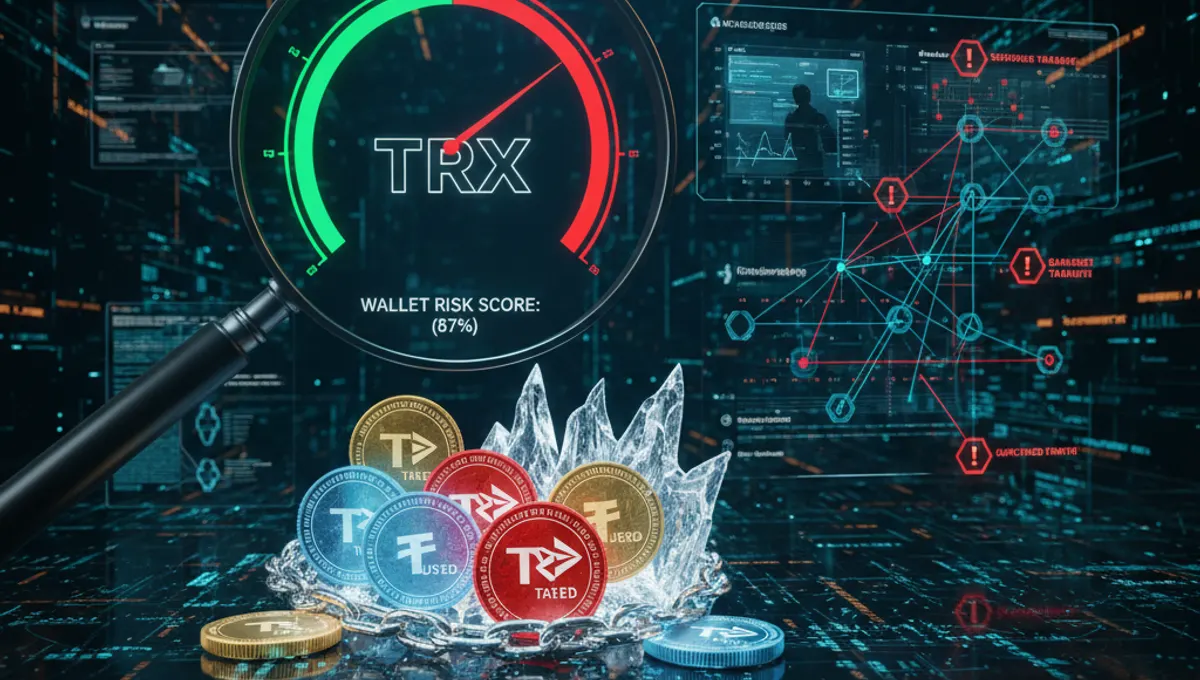
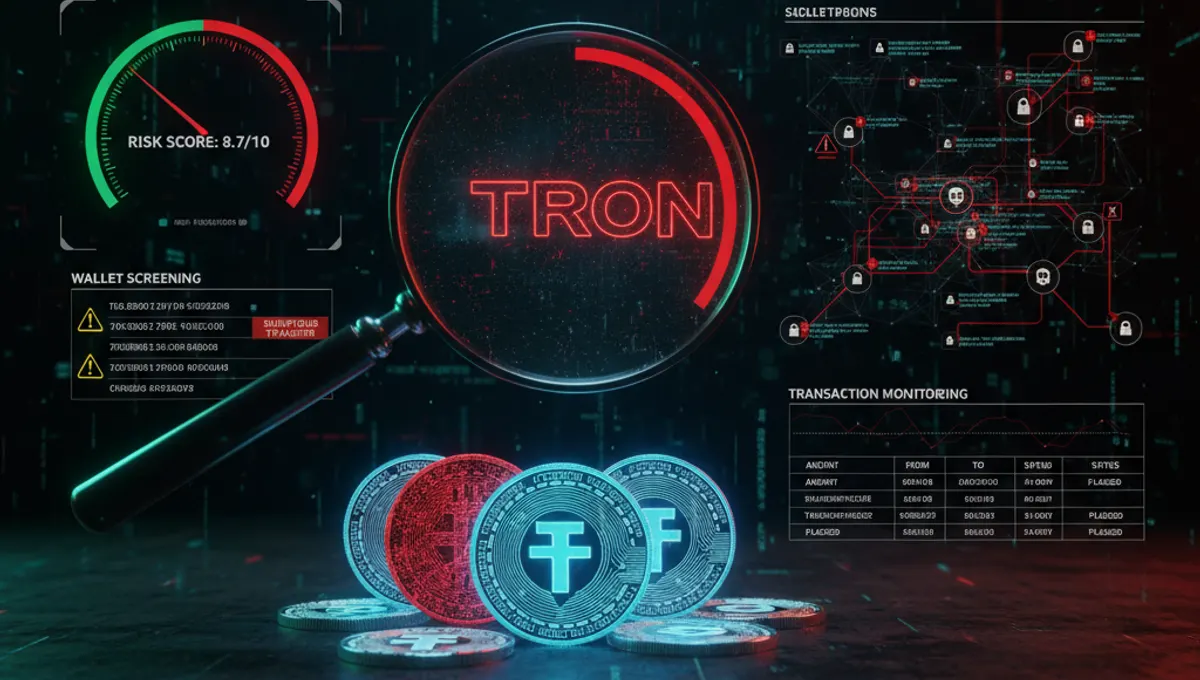
AML (Anti-Money Laundering) crypto screening checks wallet addresses against sanctions lists, stolen fund databases, and darknet market records to identify tainted coins before they enter your account. When you receive USDT, TRX, or BTC, the wallet provider or exchange can run a risk assessment that flags if those coins were previously involved in theft, mixing services, or sanctioned entity transactions. A safe crypto wallet integrates this screening automatically or provides clear warnings when high-risk funds arrive. This protects you from account freezes, regulatory investigation, and the practical problem of owning coins you cannot sell on regulated exchanges. Screening typically assigns a risk score from low to critical based on transaction history.
How to Check if a Crypto Wallet Is Legit Before Using It
Verify wallet legitimacy by confirming the provider's registration, checking for published security audits, and reviewing independent user reports on established forums. Legitimate wallets display their terms of service clearly, explain their fee structure upfront, and provide customer support channels. Look for wallets that publish their source code (open-source projects) or undergo third-party security reviews. Check whether the wallet provider is registered with financial regulators in their jurisdiction—many reputable exchanges and custodians file compliance documentation publicly. Avoid wallets that promise guaranteed returns, lack clear ownership information, or use aggressive marketing. Before transferring significant funds, test the wallet with a small deposit and verify you can withdraw it without delays or hidden fees.
Understanding Risk Scores and Red Flags in AML Wallet Checks
An AML risk score quantifies the likelihood that a wallet address or transaction involves illicit activity. Scores typically range from 0 (clean) to 100 (critical risk). Low scores (0–20) indicate minimal darknet exposure or theft history. Medium scores (21–50) suggest the address has interacted with mixing services or unregulated exchanges but may not indicate direct criminal involvement. High scores (51–100) flag direct links to stolen funds, sanctions lists, or known darknet markets. Red flags in AML screening include: multiple rapid transactions to different addresses (mixing behavior), deposits from wallets associated with exchange hacks, transactions to sanctioned jurisdictions, and deposits from gambling or darknet marketplace addresses. A safe crypto wallet displays these risk indicators clearly so you can decide whether to accept the transfer.
How to Screen a Wallet Address Before Receiving USDT, TRX, or BTC
Before accepting a deposit, request the sender's wallet address and run an AML check through a trusted screening service. Many exchanges and custodians offer built-in screening, but you can also use specialized blockchain analytics platforms to verify address history independently. Enter the address and review the risk score, transaction history, and any flagged connections to known illicit sources. If the score is low (under 20), the address is generally safe. If the score is medium (21–50), investigate further—check whether the address belongs to a known exchange or legitimate service. If the score is high (above 50), decline the transfer unless you have explicit business justification and compliance approval. Document your screening decision for audit purposes, especially if you handle large amounts or operate a regulated business.
What Happens When a Wallet Is Flagged as High-Risk or Tainted
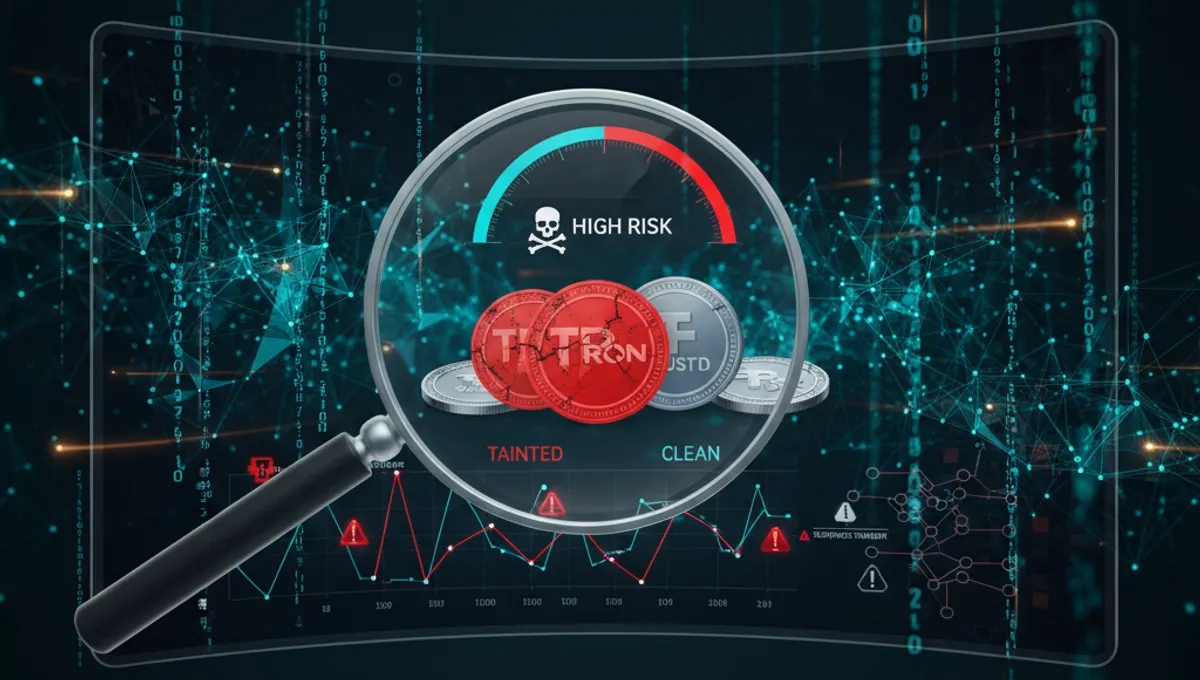
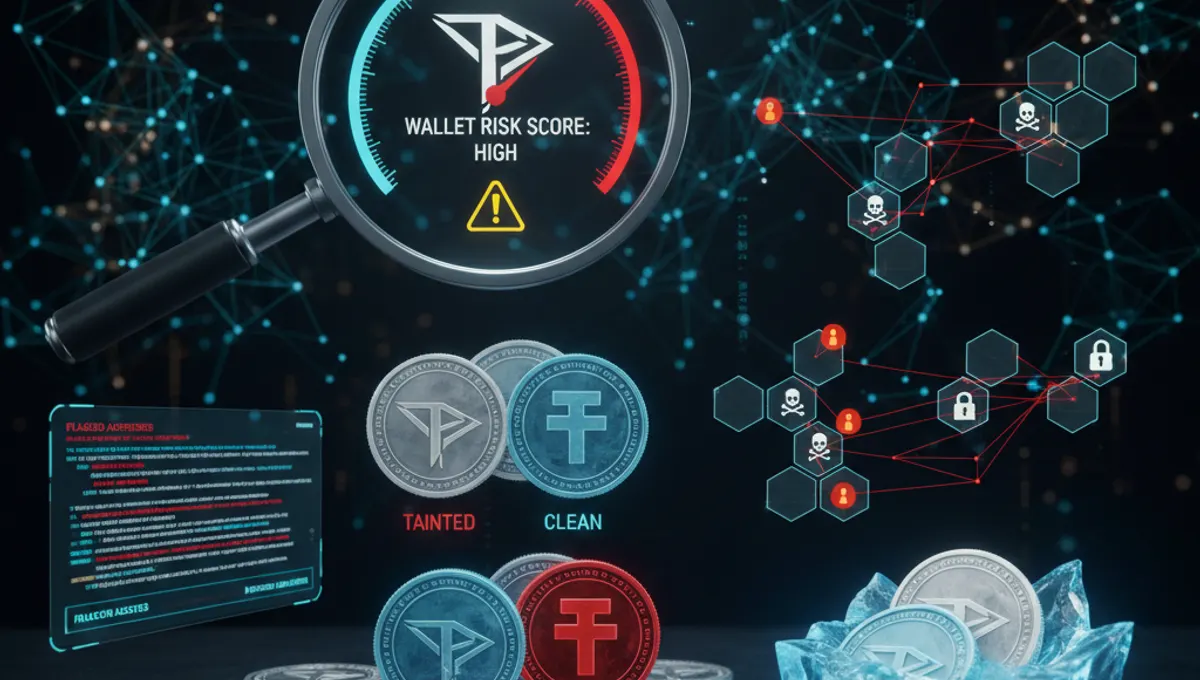
When coins in your wallet are flagged as tainted or high-risk, exchanges may freeze your account pending investigation, delay withdrawals, or require additional documentation. Regulatory compliance teams review the transaction history to determine whether you knowingly received stolen or sanctioned funds. If you can prove you received the coins in good faith without knowledge of their illicit origin, many exchanges will unfreeze your account after investigation. However, the process can take weeks and may require legal documentation. To avoid this scenario, screen all incoming transfers before accepting them, especially from unfamiliar senders or peer-to-peer transactions. If you do receive flagged coins, contact your exchange's compliance team immediately and provide evidence of your due diligence. The safest approach is to use wallets and services that automatically screen incoming transactions and alert you to risk before funds settle.
Choosing Between Exchange Wallets and Self-Custody for Safety
Exchange wallets offer built-in AML screening, insurance protection, and regulatory compliance but require you to trust the exchange with your private keys. Self-custody wallets give you full control of your keys but place the burden of security and AML screening on you. For maximum safety, use exchange wallets for frequent trading and receiving deposits from unknown sources—the exchange's compliance team screens transactions automatically. Use self-custody wallets for long-term storage of verified, low-risk coins. If you choose self-custody, integrate a blockchain analytics tool to screen addresses before accepting transfers. Many reputable self-custody providers now offer optional AML screening through third-party integrations. Start by reviewing the curated list of verified AML services on this site to understand which screening tools are trusted by compliance professionals, then select a wallet that integrates with those services or allows manual address verification.
Frequently asked questions
How do I know if my crypto wallet is safe to use?
A safe wallet encrypts your private keys, requires multi-factor authentication, publishes security audits, and integrates AML screening. Check whether the provider is registered with financial regulators and review independent security reviews. Test the wallet with a small deposit before transferring large amounts. Avoid wallets that store keys on their servers or lack transparent security documentation.
What is AML crypto and how does it protect my wallet?
AML (Anti-Money Laundering) crypto screening checks wallet addresses against sanctions lists and stolen fund databases to flag tainted coins before they enter your account. This prevents you from receiving coins linked to theft, darknet markets, or sanctioned entities, which could freeze your account. Screening assigns a risk score that helps you decide whether to accept a transfer.
What is a red flag in AML wallet screening?
Red flags include rapid transactions to multiple addresses (mixing behavior), deposits from exchange hack wallets, transactions to sanctioned jurisdictions, and transfers from gambling or darknet marketplace addresses. High-risk scores (above 50) indicate direct links to illicit activity. Medium scores (21–50) suggest mixing service interaction but may not indicate criminal involvement.
Can I check if a Tron address is safe before receiving USDT?
Yes. Request the sender's Tron address and run an AML check through a blockchain analytics service or your exchange's built-in screening tool. Review the risk score and transaction history. Low scores (under 20) are generally safe. High scores (above 50) indicate tainted coins. If uncertain, decline the transfer or contact your exchange's compliance team.
What should I do if my wallet receives flagged or tainted coins?
Contact your exchange's compliance team immediately and provide evidence of your due diligence (screenshots of your AML screening). Explain that you received the coins in good faith. Exchanges typically investigate and unfreeze accounts if you can prove you acted without knowledge of illicit origin. The process may take weeks. To avoid this, always screen incoming transfers before accepting them.