What Makes a Crypto Wallet Legit
A legitimate crypto wallet meets three core criteria: it originates from a reputable provider with transparent security practices, it has no association with darknet markets or theft, and its transactions are traceable on the blockchain. Legit wallets are typically offered by established exchanges, hardware manufacturers, or open-source projects with documented code audits. The wallet address itself should have a clean transaction history free of mixing services, sanctioned entity transfers, or known scam proceeds. When you receive funds into a wallet, the sending address's legitimacy matters as much as the wallet itself—receiving from a compromised or blacklisted address can taint your coins even if your wallet software is legitimate. A safe crypto wallet combines secure key management with a clean transaction lineage.
How to Check if a Wallet Address Is Legitimate
Checking wallet legitimacy involves screening the address against multiple risk factors. Start by examining the transaction history on a blockchain explorer to see where funds originated and where they moved. Look for red flags: rapid transfers to multiple addresses, connections to known mixers or tumbling services, or patterns consistent with money laundering. Next, cross-reference the address against public sanctions lists and darknet market databases. Check whether the address has received funds from gambling platforms, ransomware wallets, or theft proceeds. AML services provide automated risk scoring that flags these patterns. The safest approach is to use a dedicated wallet screening tool before accepting a transfer. Our curated list of verified AML services on this site includes tools that perform comprehensive address checks and assign risk scores, making it easy to verify legitimacy in seconds.
What Is a Safe Crypto Wallet: Key Security Features
A safe crypto wallet combines technical security with clean transaction history. Technical safety includes non-custodial key management (you control private keys, not an exchange), multi-signature authorization for large transfers, and hardware wallet support for cold storage. The wallet provider should publish security audits and respond promptly to vulnerability reports. Beyond software, a safe wallet has no history of association with theft, sanctions violations, or darknet activity. When evaluating what is the safest crypto wallet for your needs, consider whether you prioritize ease of use, maximum security, or specific blockchain support. Hardware wallets like Ledger or Trezor offer strong security but require device management. Mobile wallets prioritize convenience but depend on your phone's security. Exchange wallets are convenient but custodial—the exchange controls your keys. For receiving high-value transfers, a non-custodial wallet with a clean address history is safest.
Understanding Crypto Wallet Risk Scores and AML Checks
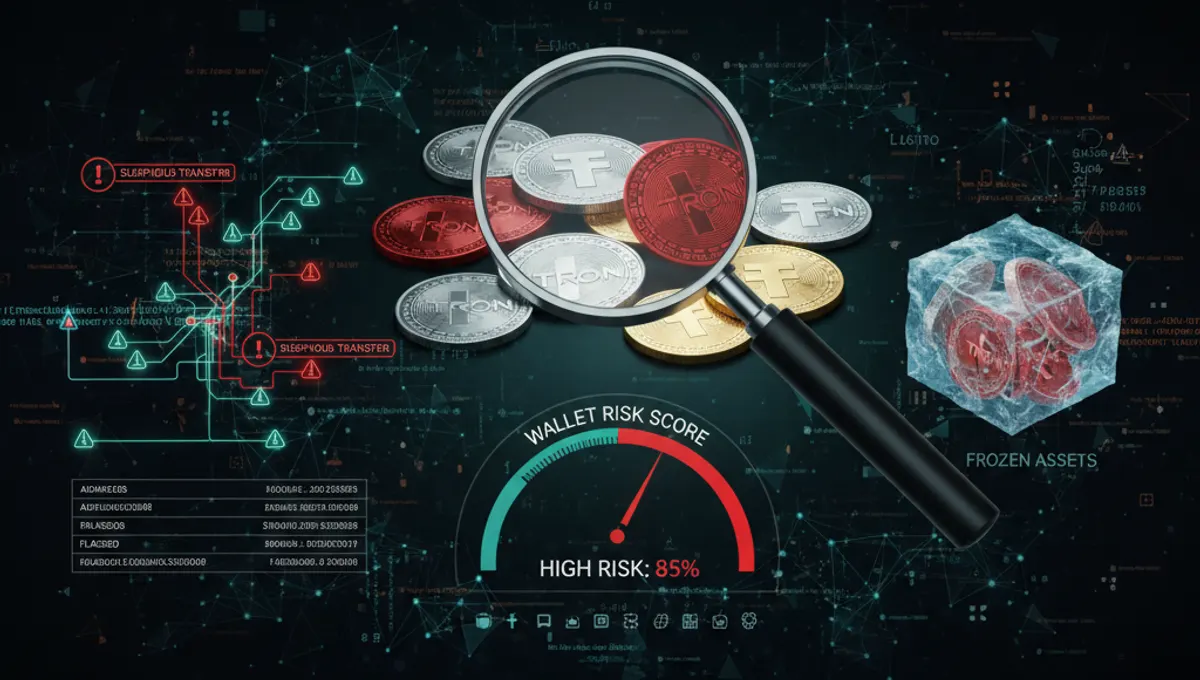
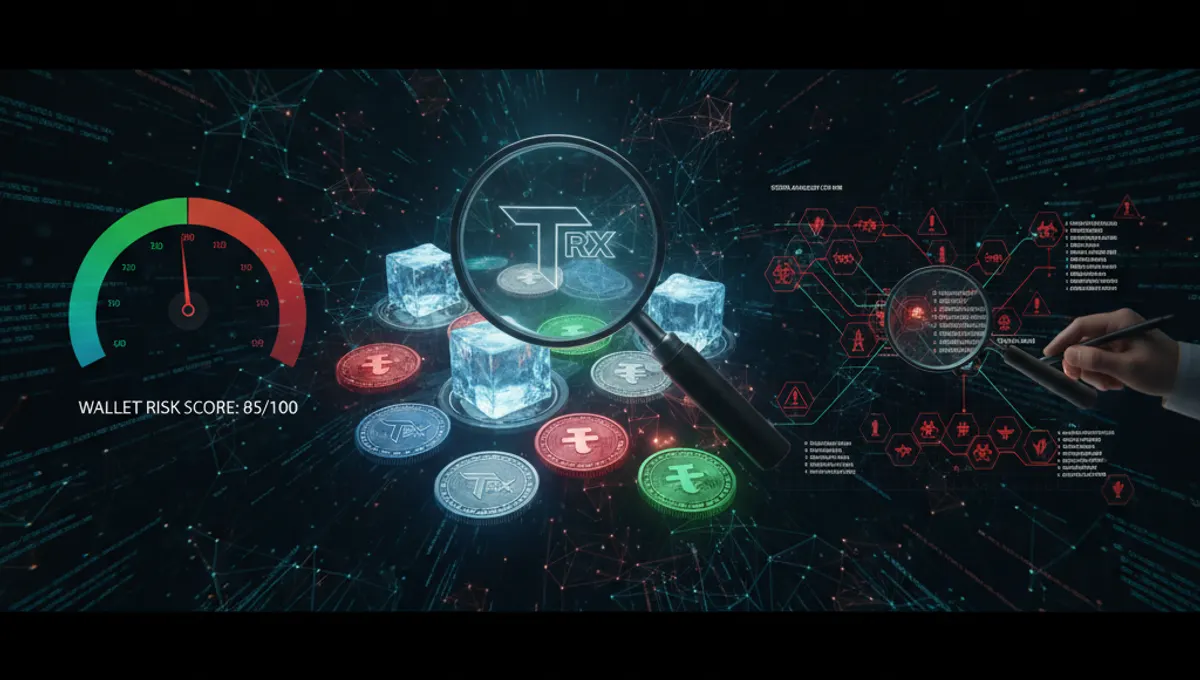
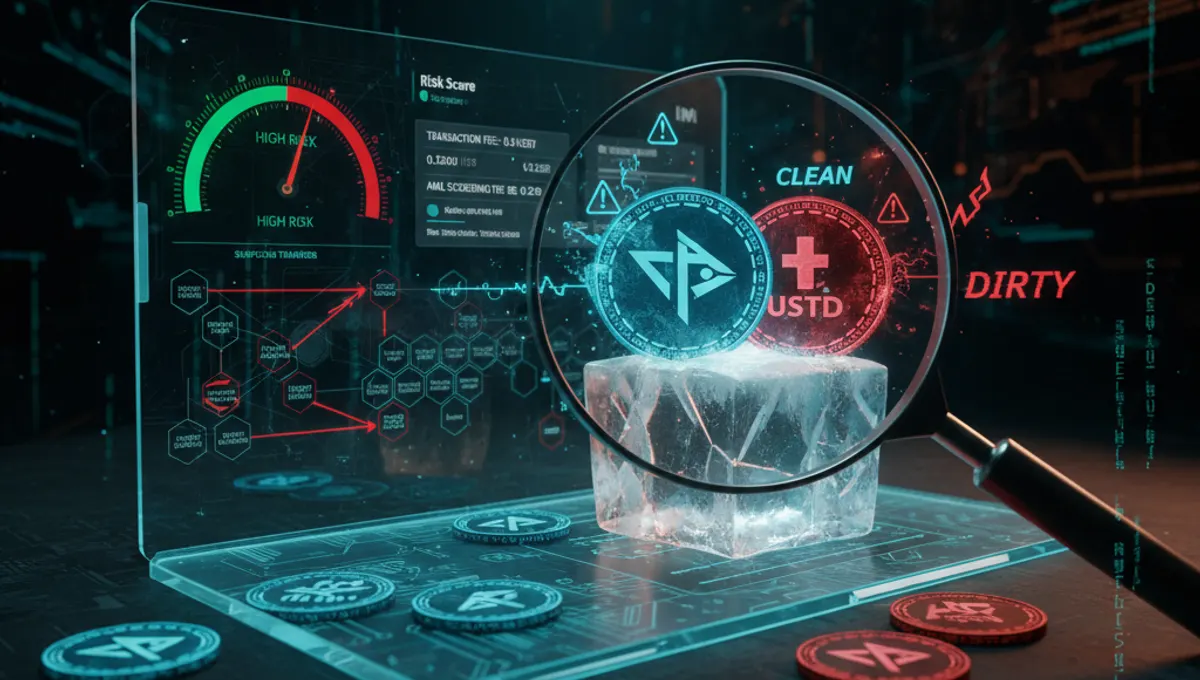
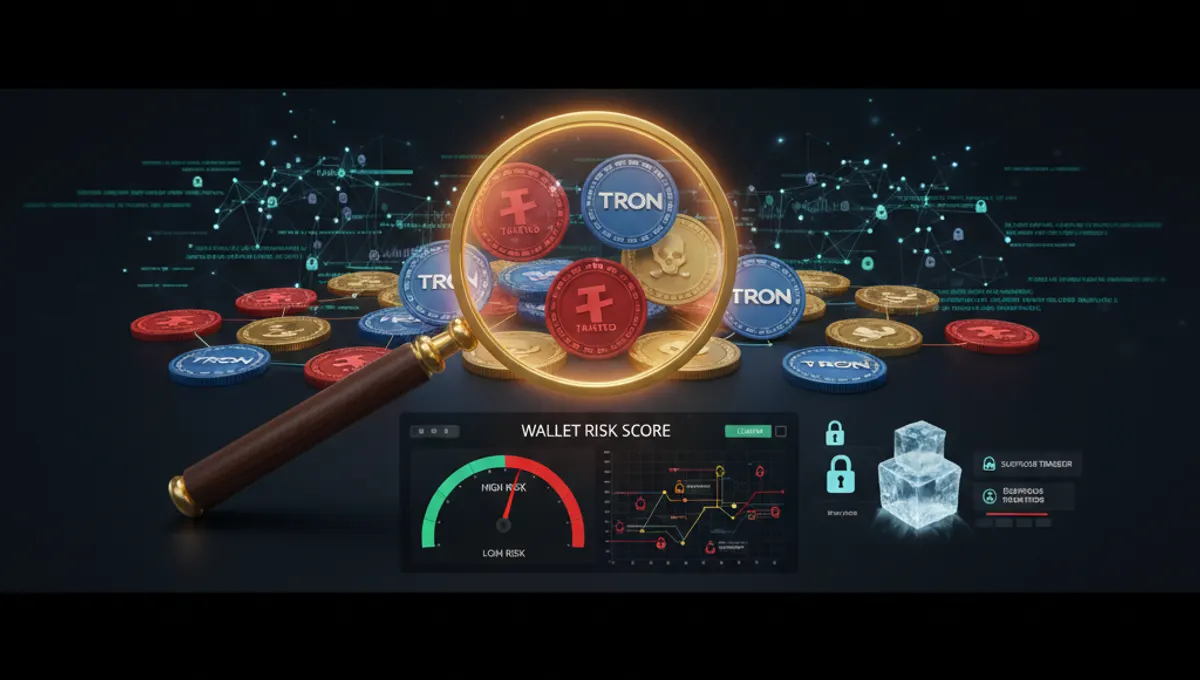
A risk score is a numerical rating assigned to a wallet address based on transaction patterns and associations. Scores typically range from 0 (clean) to 100 (high risk). Low scores (0–20) indicate minimal exposure to theft, sanctions, or illicit activity. Medium scores (21–50) suggest some caution—the address may have received funds from high-risk sources but shows no direct criminal link. High scores (51–100) warrant rejection; the address has clear connections to stolen funds, darknet markets, or sanctioned entities. AML checks analyze blockchain data to detect these patterns automatically. When you screen a wallet address, the AML service examines its entire transaction history, flags suspicious transfers, and compares it against known blacklists. Acceptable risk thresholds depend on your compliance requirements; regulated exchanges typically reject addresses scoring above 50, while personal users may accept scores up to 30. Understanding these thresholds helps you decide whether to accept an incoming transfer.
Crypto Wallet Example: Screening a Real Transfer Before Accepting
Suppose someone sends you USDT on Tron (TRC20) from address TQXxF6Z5w7y8a9b0c1d2e3f4g5h6i7j8k9. Before accepting, you should verify this address is legitimate. Step 1: Copy the address and enter it into a blockchain explorer to view its transaction history. Step 2: Check whether it has received funds from known sources—if the history shows transfers from gambling sites, mixers, or ransomware wallets, the address is risky. Step 3: Use an AML screening tool to generate a risk score and see flagged transactions. Step 4: Cross-reference against sanctions lists to confirm no blocked entities are involved. Step 5: If the risk score is below your threshold and no red flags appear, the transfer is likely safe to accept. If the score is high or connections to theft are evident, decline the transfer. This process takes minutes and protects you from receiving tainted coins that could freeze your exchange account.
What Happens When Tainted Coins Are Detected: Frozen Accounts and Bans
When an exchange detects that you have received or transferred tainted coins—funds linked to theft, sanctions violations, or darknet activity—it may freeze your account pending investigation. Exchanges use transaction monitoring and AML screening to flag suspicious deposits. If your USDT or TRX is flagged as stolen or sanctioned, the exchange will lock your funds and may close your account permanently. Frozen USDT can remain inaccessible for weeks or months while compliance teams investigate. In some cases, funds are permanently seized if they are confirmed to be proceeds of crime or linked to sanctioned entities. To avoid this, screen incoming addresses before accepting transfers and maintain a clean transaction history. If your coins are flagged, you may be asked to provide proof of the legitimate source; if you cannot, the funds are typically forfeited. This is why verifying wallet legitimacy and checking addresses before transfer is critical—prevention is far easier than recovery.
Crypto Wallet Fees and Legitimacy: What to Watch For
Legitimate crypto wallets charge transparent fees aligned with blockchain costs or service value. Hardware wallets have a one-time purchase cost (typically $50–150) and no ongoing fees. Mobile and desktop wallets are often free but may charge network fees when you send funds—these are blockchain fees, not wallet fees, and vary by network congestion. Exchange wallets charge trading or withdrawal fees, clearly disclosed in their terms. Beware of wallets charging unusually high fees or requesting upfront payments for account activation; these are often scams. Legitimate wallet providers never ask for private keys or seed phrases. When evaluating crypto wallet fees, compare them against competitors and verify the wallet's reputation through user reviews and security audits. Fees alone do not determine legitimacy, but transparent, reasonable fees combined with a clean transaction history and strong security indicate a trustworthy wallet. Always verify the wallet's official website before downloading software to avoid counterfeit versions.
Frequently asked questions
How do I know if a crypto wallet is legit before receiving funds?
Check the sending address on a blockchain explorer to view its transaction history. Use an AML screening tool to generate a risk score and flag suspicious patterns. Cross-reference against sanctions lists. If the risk score is low and no connections to theft or darknet activity appear, the wallet is likely legitimate. Avoid addresses with high risk scores or clear links to stolen funds.
What is the safest crypto wallet for receiving USDT or TRX?
Non-custodial hardware wallets like Ledger or Trezor offer maximum security because you control private keys. For convenience, reputable exchange wallets are safe if the exchange has strong compliance and AML screening. Regardless of wallet type, verify the sending address is legitimate before accepting transfers to prevent receiving tainted coins.
What does a crypto wallet risk score mean?
A risk score (0–100) rates a wallet address based on transaction patterns and associations. Low scores (0–20) indicate clean history. Medium scores (21–50) suggest caution. High scores (51–100) indicate connections to theft, sanctions, or darknet activity. Most exchanges reject addresses scoring above 50. Use risk scores to decide whether to accept incoming transfers.
Can receiving tainted coins get my exchange account frozen?
Yes. If you receive or transfer coins linked to theft, sanctions, or darknet activity, exchanges may freeze your account during investigation. Frozen USDT can remain inaccessible for weeks or months. In confirmed cases of stolen or sanctioned funds, accounts are permanently closed and funds forfeited. Screen addresses before accepting transfers to avoid this risk.
What crypto wallet fees should I expect?
Hardware wallets cost $50–150 upfront with no ongoing fees. Mobile and desktop wallets are often free; network fees vary by blockchain congestion. Exchange wallets charge trading or withdrawal fees, clearly disclosed. Legitimate wallets never charge upfront activation fees or request private keys. Compare fees across providers and verify the wallet's official reputation before use.