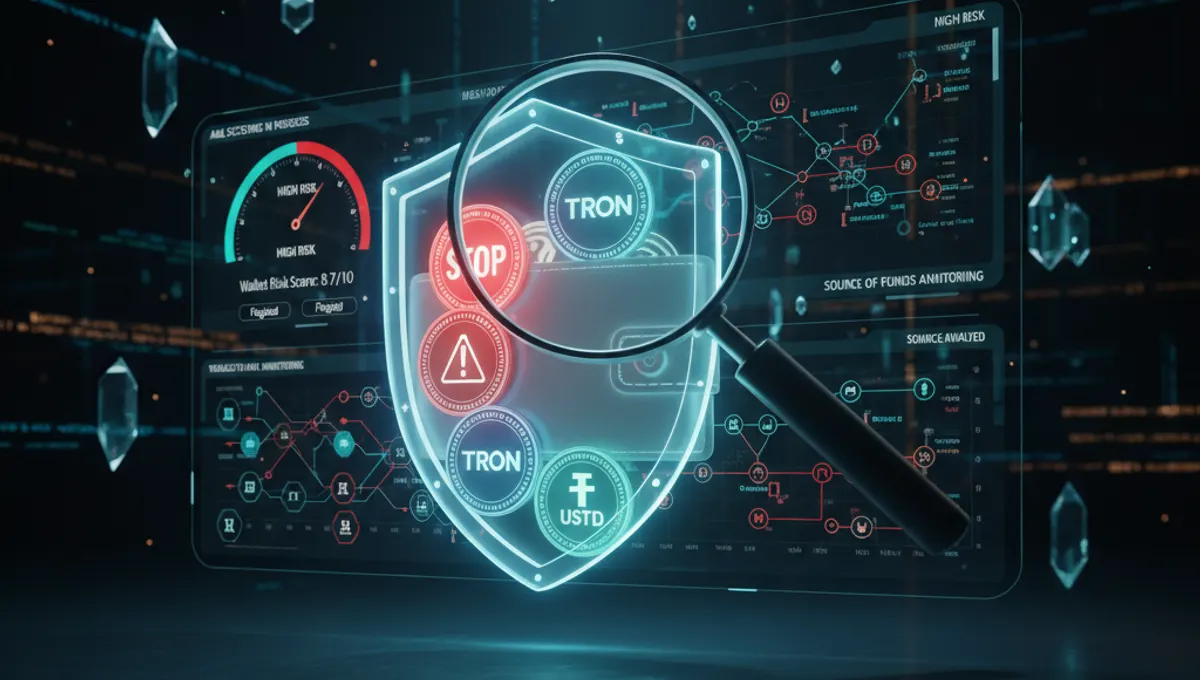
What Are Wallet Checks: Definition and Purpose
A wallet check is a compliance scan of a cryptocurrency address—typically on Tron, Ethereum, or Bitcoin—that flags risk indicators. The check compares the wallet's transaction history against known sources of illicit activity: mixers, darknet marketplaces, scams, and sanctioned entities. The output is a risk score and a detailed report showing whether funds have been traced to stolen coins, ransomware, or other red flags. Wallet checks serve two purposes: they protect recipients from receiving frozen or tainted coins, and they help senders verify counterparty legitimacy before large transfers. Most exchanges and institutional players now require wallet screening before accepting deposits.
How Wallet Style Checks Work: The Screening Process
Wallet checks use blockchain analytics to trace transaction flows. The process begins by analyzing the address's incoming and outgoing transactions, then mapping those funds backward to their origin. Analytics engines maintain databases of known risk sources—darknet wallets, mixer outputs, stolen fund addresses—and flag matches. The check assigns a risk score (typically 0–100 or Low/Medium/High) based on exposure to these sources. Some services also cross-reference against OFAC sanctions lists and other regulatory databases. The entire scan takes seconds to minutes. Results include the risk score, a breakdown of flagged transactions, and recommendations on whether to proceed. Different services use different scoring models, so a wallet may receive slightly different ratings depending on the provider.
What Is a Safe Crypto Wallet: Risk Score Thresholds
A safe crypto wallet typically has a risk score below 20–30 on a 0–100 scale, or a 'Low' rating on categorical systems. Wallets in this range show minimal exposure to known illicit sources and are generally safe to receive funds from. Medium-risk wallets (30–70 score) warrant caution: they may have minor mixer exposure or connections to high-volume exchanges, but are not necessarily compromised. High-risk wallets (70+ score) should be avoided unless you have strong reason to trust the counterparty, as they show direct links to darknet markets, stolen funds, or sanctions entities. Acceptable thresholds vary by use case: retail users may accept Medium risk, while exchanges and institutions typically reject anything above Low. Always check the wallet of the sender before accepting large transfers, and verify the address matches the stated counterparty.
What Is the Safest Crypto Wallet: Verification Best Practices
The safest crypto wallet is one you have verified through a wallet check before receiving funds. Best practices include:
- Request the sender's wallet address and run a check through a trusted AML service before accepting the transfer.
- Compare the address to the sender's stated identity—mismatches are a red flag.
- For large amounts, ask the sender to verify they control the wallet (e.g., by signing a message).
- Avoid wallets with recent mixer activity or darknet connections.
- Use hardware wallets for storage, not exchange wallets, to reduce account-freeze risk.
- If you receive funds flagged as high-risk, do not move them to an exchange; contact the sender to clarify the source. The safest approach is to screen every wallet before accepting crypto, especially on Tron and Ethereum where tainted USDT is common.
How to Check a Wallet Before Receiving USDT or TRX
Step-by-step process:
- Obtain the sender's wallet address (TRX, USDT, or BTC).
- Visit a trusted AML check service—our curated list of verified AML services on this site includes providers that specialize in Tron and Ethereum screening.
- Paste the address into the search field.
- Review the risk score and transaction history report.
- Check for flags: darknet exposure, mixer outputs, stolen funds, or sanctions matches.
- If the score is Low or acceptable for your use case, proceed. If High, ask the sender to explain the risk factors or decline the transfer.
- Document the check result for your records. Most services return results in seconds. For USDT on Tron (TRC20), pay special attention to recent transactions and any connections to known scam addresses or high-risk exchanges. Always verify the address is correct before confirming receipt.
What Happens When Coins Are Flagged as Dirty Crypto
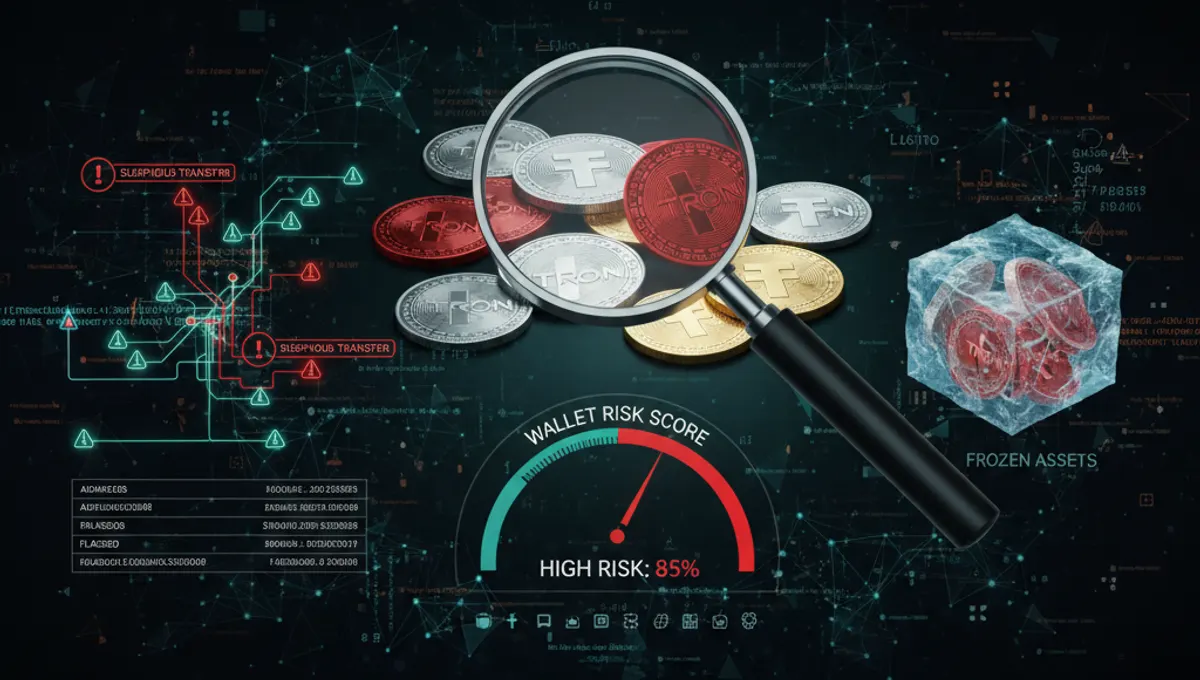
If you receive or hold coins flagged as tainted, several consequences can follow. Exchanges may freeze your account or reject deposits from that wallet, citing AML policy violations. Your funds may be locked pending investigation, with no guaranteed recovery timeline. In severe cases (e.g., ransomware or sanctions exposure), law enforcement may seize the coins. You may also face regulatory scrutiny if you knowingly received stolen or sanctioned funds. The risk categories that trigger freezes include: ransomware proceeds, darknet market outputs, mixer-traced coins, and OFAC-sanctioned entity transfers. If your wallet is flagged, do not attempt to move the coins to hide them; instead, document the source and contact the exchange or a compliance advisor. Prevention is far simpler: screen wallets before accepting transfers, and avoid mixing or using privacy tools that create compliance red flags.
AML Checks Cost and Service Comparison
AML checks range from free to premium, depending on the service and depth of analysis. Free wallet checks typically provide a basic risk score and limited transaction history; they are suitable for quick verification but lack detailed reporting. Paid services (ranging from a few dollars to hundreds per check) offer comprehensive reports, API access, and batch screening for businesses. Some services charge per check, while others offer monthly subscriptions for unlimited lookups. Enterprise solutions include transaction monitoring, sanctions list updates, and compliance documentation. For individual users, free or low-cost checks are usually sufficient. For businesses and exchanges, paid services with ongoing monitoring are standard. Our curated list of verified AML services on this site includes options at various price points, so you can compare features and costs before choosing. Always verify that a service covers your target blockchain (Tron, Ethereum, Bitcoin) and updates its risk databases regularly.
Frequently asked questions
Can I check a wallet for free?
Yes, many AML services offer free basic wallet checks that return a risk score and transaction summary. Free checks are suitable for quick verification but may lack detailed reporting. Paid services provide more comprehensive analysis, API access, and batch screening. Check our verified AML services list for free and paid options.
What does a high-risk wallet score mean?
A high-risk score (typically 70+ on a 0–100 scale) indicates the wallet has exposure to known illicit sources: darknet markets, mixers, stolen funds, or sanctions entities. High-risk wallets should be avoided unless you have strong reason to trust the counterparty. Exchanges often reject deposits from high-risk addresses.
Will my exchange account be frozen if I receive tainted crypto?
Yes, exchanges may freeze accounts that receive flagged coins. Tainted funds linked to ransomware, darknet markets, or sanctions can trigger AML holds. Your account may be locked pending investigation, with no guaranteed recovery timeline. Prevention through wallet checks before accepting transfers is the safest approach.
How do I verify a wallet belongs to the sender?
Request the sender to sign a message using their private key, proving they control the wallet. Compare the wallet address to their stated identity and any prior transactions. Ask about the wallet's history and funding source. Run an AML check to verify no red flags exist. Mismatches between address and identity are a major scam indicator.
What blockchain networks can I check wallets on?
Most AML services support Ethereum, Bitcoin, and Tron (TRC20). Some also cover Solana, Polygon, and other chains. Verify your target blockchain is supported before running a check. Tron and Ethereum are most common for USDT and stablecoin screening due to high tainted-coin prevalence.