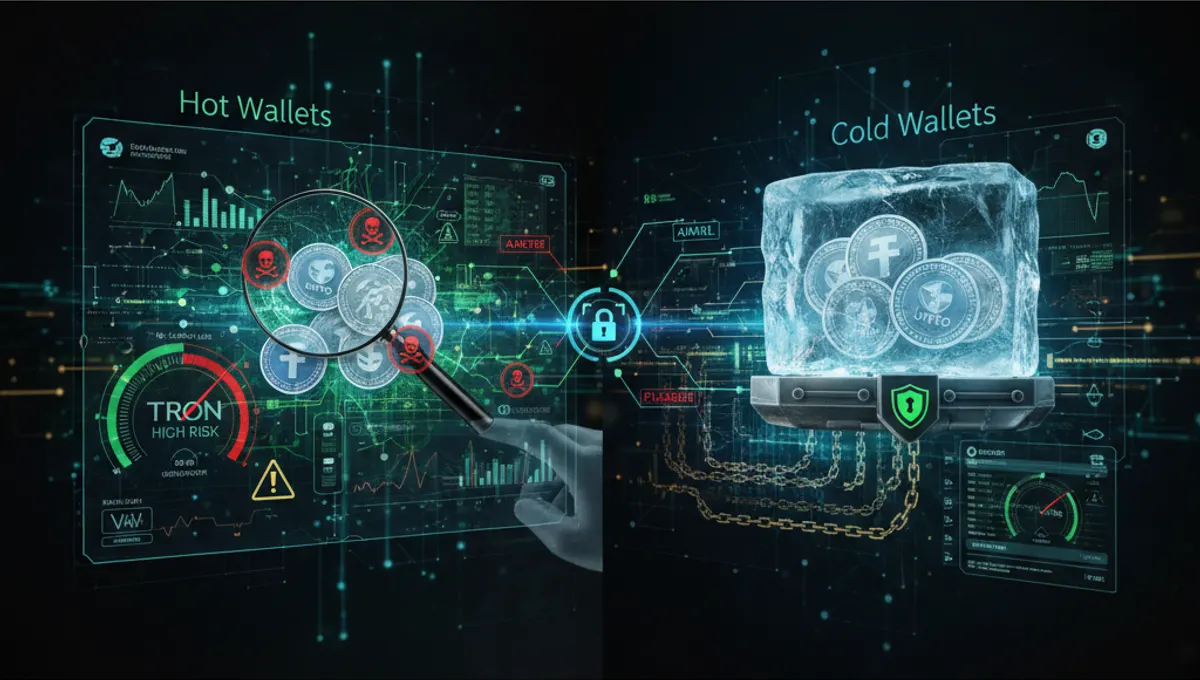
What Is a Hot Wallet and How Does It Work
A hot wallet is a cryptocurrency storage solution that remains connected to the internet at all times. It stores your private keys on internet-connected devices such as computers, smartphones, or web browsers. Hot wallets are managed by exchanges, custodians, or standalone applications that sync with blockchain networks in real time.
Hot wallets enable instant transactions because they do not require manual steps to go online. You can send and receive crypto immediately, making them ideal for frequent traders or users who need regular access to their funds. Examples include exchange wallets (Coinbase, Kraken), mobile apps, and browser-based interfaces.
The trade-off is security. Internet connectivity exposes hot wallets to hacking, phishing, malware, and exchange breaches. If a private key is compromised, an attacker can drain the wallet instantly. Hot wallets are best suited for smaller amounts—money you actively use—rather than long-term holdings.
What Is a Cold Wallet and Why Is It Safer
A cold wallet stores private keys offline, disconnected from the internet. The two main types are hardware wallets (physical devices like USB sticks) and paper wallets (private keys written on paper). Because cold wallets never touch the internet, they are immune to remote hacking, malware, and exchange breaches.
Cold wallets require a deliberate, manual process to sign transactions. You generate a transaction on an internet-connected device, transfer it to the cold wallet for signing, then broadcast the signed transaction back online. This friction is intentional—it forces you to pause and verify before moving large amounts.
Cold wallets are ideal for long-term storage of significant holdings. The downside is convenience: transactions take longer, and if you lose the device or recovery phrase, your funds are permanently inaccessible. Cold wallets are not suitable for frequent trading or quick access needs.
Hot Wallet vs Cold Wallet: Key Differences Explained
The main differences between hot and cold wallets affect how you use them:
Security: Cold wallets are offline and resistant to remote attacks. Hot wallets are internet-connected and vulnerable to hacking and phishing.
Speed: Hot wallets enable instant transactions. Cold wallets require manual signing steps, adding delays of minutes to hours.
Convenience: Hot wallets are accessible from any device with internet. Cold wallets require physical access to the device or recovery phrase.
Cost: Most hot wallets are free or charge transaction fees only. Cold wallets often require purchasing a hardware device (typically $50–$200).
Risk of Loss: Hot wallets can be hacked remotely. Cold wallets can be lost, stolen, or destroyed physically, or you may forget your recovery phrase.
Best Use Case: Hot wallets suit active traders and small holdings. Cold wallets suit long-term investors and large amounts. Many users maintain both: a hot wallet for daily use and a cold wallet for savings.
Crypto Wallet Fees: How Hot and Cold Wallets Differ
Crypto wallet fees vary by type and function. Hot wallets typically charge transaction fees set by the blockchain network (gas fees on Ethereum, network fees on Bitcoin) plus any platform fees imposed by the exchange or custodian. Some hot wallet providers charge withdrawal fees or monthly subscription fees for premium features.
Cold wallets themselves do not charge transaction fees—you only pay blockchain network fees when you broadcast a signed transaction. However, you may pay an initial cost to purchase a hardware wallet device. Some hardware wallet manufacturers charge for advanced features or recovery services.
When comparing hot and cold wallets, factor in your transaction frequency. A trader executing daily transactions in a hot wallet will accumulate more fees than someone moving funds to cold storage quarterly. For large holdings, the one-time cost of a cold wallet device is typically offset by avoiding exchange fees and reducing hacking risk. Always verify current fees on the wallet provider's official documentation before choosing.
How to Screen a Crypto Wallet Before Receiving Funds
Before receiving cryptocurrency into any wallet—hot or cold—screen the sender's address for AML risk. This prevents you from receiving stolen funds, sanctioned assets, or coins linked to darknet markets, which can result in frozen accounts or exchange bans.
Steps to screen a wallet:
- Obtain the sender's wallet address (a long string of characters specific to the blockchain).
- Visit a trusted AML screening service and enter the address.
- Review the risk score and flagged categories: stolen funds, sanctions exposure, mixer usage, darknet connections, or scam involvement.
- Check the transaction history for suspicious patterns—rapid transfers, high-risk counterparties, or recent darknet activity.
- Decide whether the risk level is acceptable for your compliance requirements.
Acceptable risk thresholds depend on your jurisdiction and exchange policies. Most exchanges flag addresses with high or critical risk scores and may freeze deposits. Medium risk may be acceptable for personal use but risky for business transactions. Our curated list of verified AML services on this site provides trusted tools for screening wallets across Bitcoin, Ethereum, USDT, and Tron addresses. Start there to ensure you're using compliant, reliable screening.
What Happens If Your Wallet Is Flagged as High Risk
If your wallet receives a high AML risk score, several consequences may follow. Exchanges may reject deposits from that address, freeze your account pending investigation, or require additional documentation to prove the funds are legitimate. In severe cases, exchanges may permanently ban your account.
If you receive flagged funds unknowingly, act quickly. Do not move the funds to another wallet—this may trigger additional compliance alerts. Instead, contact the exchange or custodian holding the funds and explain the situation. Provide documentation if you can verify the source is legitimate (e.g., employment payment, inheritance, business transaction).
For high-risk addresses, consider using a compliant mixing or tumbling service only if legal in your jurisdiction and the funds are genuinely yours. However, mixing flagged coins often raises further suspicion. The safest approach is to avoid receiving high-risk funds in the first place by screening addresses before accepting transfers. Use the AML services listed on this site to verify sender addresses and protect yourself from account freezes and compliance violations.
Choosing Between Hot and Cold Storage: A Practical Framework
Decide between hot and cold wallets based on three factors: amount held, transaction frequency, and risk tolerance.
For small amounts (under $1,000) or frequent trading: Use a hot wallet. The convenience and instant access outweigh the security risk for smaller sums. Choose a reputable exchange or mobile wallet with two-factor authentication enabled.
For large holdings (over $10,000) or long-term storage: Use a cold wallet. The security benefit justifies the inconvenience and upfront hardware cost. A hardware wallet protects against exchange breaches and hacking.
For mixed use: Maintain both. Keep daily trading funds in a hot wallet and move excess to cold storage regularly. This balances accessibility and security.
Regardless of wallet type, always screen incoming addresses for AML risk before accepting transfers. Use the verified AML services listed on this site to check sender addresses for stolen funds, sanctions exposure, and darknet connections. This single step prevents frozen accounts and compliance violations. Document your screening process for your records, especially if you hold cryptocurrency for business purposes.
Frequently asked questions
Can I move crypto from a hot wallet to a cold wallet
Yes. Generate a receive address in your cold wallet, then initiate a send transaction from your hot wallet to that address. The transfer takes 10 minutes to several hours depending on network congestion. You pay only the blockchain network fee. Once confirmed, the funds are offline and secure in your cold wallet.
What crypto wallet example should I use for beginners
Beginners should start with a reputable hot wallet like a mobile app or exchange wallet from an established custodian. Enable two-factor authentication and keep only small amounts. Once comfortable, move larger holdings to a hardware cold wallet. Always screen incoming addresses for AML risk before accepting transfers to avoid frozen funds.
How do I know if a wallet address is safe to receive from
Use an AML screening service to check the sender's address for risk flags: stolen funds, sanctions exposure, darknet connections, or mixer usage. Enter the address and review the risk score. Addresses with low or no flags are generally safe. High-risk addresses may result in frozen deposits or account bans if received by an exchange.
Do cold wallets charge fees for storing crypto
Cold wallets themselves do not charge storage fees. You pay only the blockchain network fee when you broadcast a transaction. Hardware wallet devices have a one-time purchase cost ($50–$200). Some manufacturers offer optional paid services like recovery assistance, but basic storage and signing are free.
What is the best crypto wallet ranking for security
Security ranking depends on your use case. For security alone, hardware cold wallets rank highest because they are offline. For convenience, reputable exchange hot wallets rank high if they use multi-signature security and insurance. No single wallet ranks best for all users—choose based on your balance size, transaction frequency, and risk tolerance.