What Factors Drive TRON's Price Potential
TRON's price movement depends on network adoption, transaction volume, developer activity, and broader cryptocurrency market sentiment. The network's transaction throughput and low fees attract users and developers, which historically correlates with increased demand. Market cycles, regulatory changes, and macroeconomic conditions also influence whether TRX reaches specific price targets. Official TRON project documentation and on-chain metrics provide insight into network health, but price predictions remain speculative. Reaching $1 would require sustained growth in real-world use cases and competitive positioning against other smart contract platforms. No analyst can guarantee price movements, so investment decisions should account for volatility and your own risk tolerance.
Why Checking TRON Addresses Matters Before You Trade
A TRON address's history can reveal whether coins are clean or tainted. Tainted TRX may originate from darknet markets, ransomware payments, stolen funds, or sanctioned entities. Receiving or holding flagged coins exposes you to account freezes, exchange bans, and regulatory scrutiny. Major exchanges perform transaction monitoring and can block withdrawals if coins are linked to illicit activity. Checking a TRON address before accepting payment—especially for business transactions—protects your reputation and compliance standing. AML screening of TRX addresses identifies risk factors like mixer usage, darknet exposure, and sanctions list matches. This step takes minutes and can prevent costly consequences down the line.
How to Check a TRON Address for AML Risk
To screen a TRON address, follow these steps:
- Obtain the TRX address you want to verify (format: begins with 'T' on mainnet).
- Use a blockchain explorer to view the address's transaction history and balance.
- Review recent transactions for patterns: frequent transfers to mixers, exchanges, or known darknet wallets suggest higher risk.
- Cross-reference the address against public sanctions lists (OFAC SDN, EU sanctions) and known theft databases.
- Use a dedicated AML service to generate a risk score and detailed report.
- Interpret the risk score: low (0–20) indicates minimal exposure; medium (21–50) warrants caution; high (51–100) suggests significant red flags.
Our curated list of verified AML services on this site provides trusted tools for TRX address screening. These services combine blockchain analysis, sanctions matching, and transaction monitoring to deliver comprehensive risk assessments. Starting with a service from our verified list ensures you're using industry-standard methods and reliable data.
Understanding TRON Address Risk Scores and What They Mean
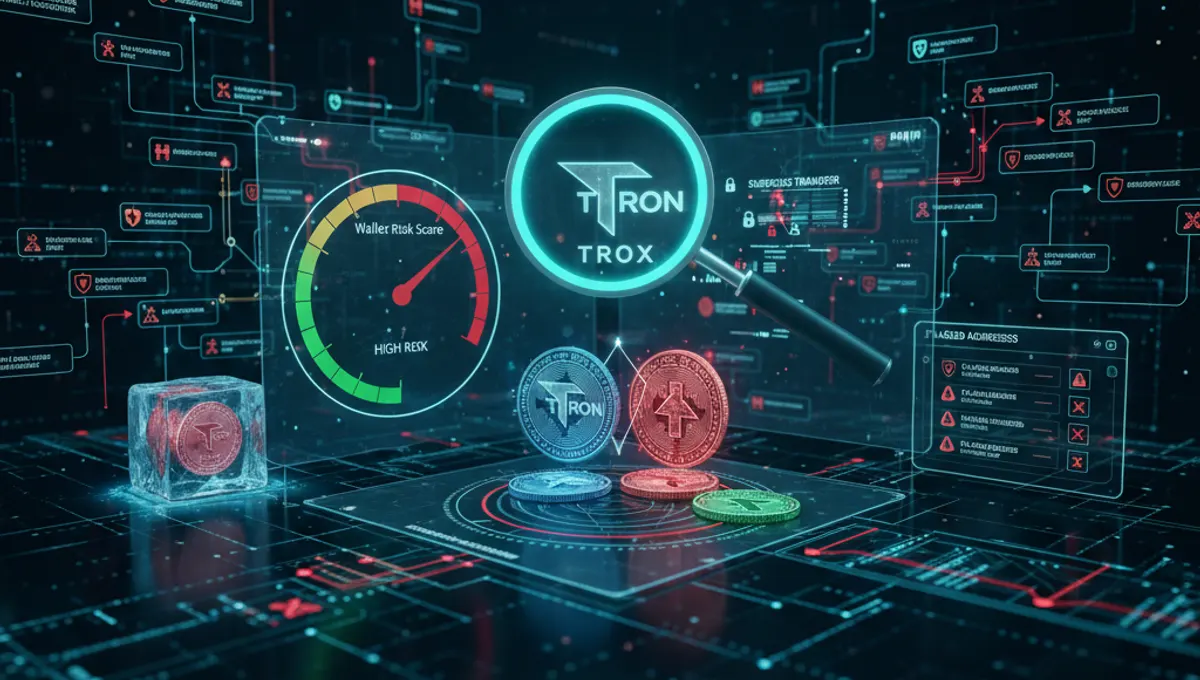
An AML risk score quantifies the likelihood that a TRON address or transaction is connected to illicit activity. Scores typically range from 0 to 100:
- Low risk (0–20): Address shows minimal darknet exposure, no sanctions matches, and clean transaction history.
- Medium risk (21–50): Address has some exposure to high-risk wallets or mixers, but no confirmed illegal activity.
- High risk (51–100): Address is linked to known darknet markets, theft, ransomware, or sanctioned entities.
Risk scores are calculated using transaction graph analysis, behavioral patterns, and external intelligence. A single transaction to a mixer doesn't automatically flag an address as high-risk, but repeated deposits to darknet markets do. When receiving TRX, aim for addresses with low to medium-low scores. If you receive coins flagged as high-risk, contact your exchange immediately to understand your options before attempting to move or sell them.
What Happens If You Receive Flagged or Tainted TRON
If you receive TRON coins that are flagged as tainted or high-risk, several outcomes are possible:
- Exchange holds or freezes your account pending compliance review.
- Withdrawal restrictions prevent you from moving coins off the exchange.
- Account closure if the exchange determines you knowingly received stolen or sanctioned funds.
- Regulatory inquiry if authorities link your account to illicit activity.
If this occurs, contact your exchange's compliance team immediately and provide documentation of your transaction. Explain that you received the coins without knowledge of their origin and cooperate fully. Exchanges sometimes release funds after investigation, especially if you can prove you were an unwitting recipient. To avoid this scenario, always check TRON addresses before accepting large payments. For business transactions, require senders to provide proof that their coins are clean or use escrow services that perform AML screening.
Common Risk Categories in TRON Transactions
TRON addresses may be flagged for exposure to several risk categories:
- Mixers and tumblers: Services that obscure transaction origins by combining and splitting funds.
- Darknet markets: Wallets associated with illegal goods or services.
- Ransomware payments: Addresses that received extortion funds.
- Stolen funds: Wallets linked to exchange hacks or theft.
- Sanctioned entities: Addresses controlled by individuals or organizations on government sanctions lists (OFAC, EU, UN).
- Gambling platforms: Some jurisdictions restrict gambling-linked coins.
- Scam proceeds: Wallets associated with Ponzi schemes or fraud.
Transaction monitoring services track these categories and flag addresses accordingly. A single exposure doesn't always result in a high risk score, but multiple exposures compound the risk. When checking a TRON address, review the specific risk factors listed in the report, not just the overall score.
Best Practices for Screening TRON Addresses Before Accepting TRX
Implement these practices to minimize risk:
- Always screen addresses before accepting significant TRX payments.
- Use verified AML services from our trusted list to ensure consistent, reliable screening.
- Set an acceptable risk threshold for your business (e.g., reject scores above 30).
- Document all screening results for compliance records.
- For high-value transactions, request additional verification from the sender (proof of funds origin).
- Use multi-signature wallets or escrow services for large transfers.
- Monitor your received coins for subsequent flagging (some exchanges flag coins retroactively if new intelligence emerges).
- Train team members on AML basics if you handle crypto payments regularly.
Regular screening becomes routine once you integrate it into your payment workflow. The few minutes spent checking an address can prevent account freezes, regulatory fines, and reputational damage. Our AML Services page lists tools designed specifically for TRON address screening and transaction monitoring.
Frequently asked questions
Can I check a TRON address for free?
Yes. Basic blockchain explorers show transaction history and balances for free. However, comprehensive AML screening—including sanctions matching, mixer detection, and risk scoring—typically requires a paid service or free trial. Our verified AML services list includes options with free tiers and affordable plans for individual users and businesses.
What does a high AML risk score on a TRON address mean?
A high risk score (above 50) indicates the address has exposure to darknet markets, theft, ransomware, or sanctioned entities. This doesn't prove the holder committed a crime, but it signals potential compliance issues. Exchanges may freeze or restrict accounts holding high-risk coins. Always investigate the specific risk factors in the report before deciding whether to accept the transfer.
How do I know if my TRON coins are tainted?
Use an AML screening service to check your wallet address. Input your TRX address and review the risk report. If flagged, the report will detail which risk categories apply (mixers, darknet, theft, sanctions). If your coins are flagged, contact your exchange immediately to understand your options and avoid account restrictions.
Will my exchange freeze my account if I receive flagged TRON?
Possibly. Exchanges monitor incoming transactions and may flag or freeze accounts holding high-risk coins. The outcome depends on the exchange's compliance policies and the severity of the risk factors. Cooperation with compliance teams often leads to account release after investigation. Always screen addresses before accepting large TRX payments to avoid this scenario.
How often should I check TRON addresses for AML risk?
Check addresses before accepting any significant TRX payment, especially for business transactions. If you hold TRON long-term, periodic re-screening (quarterly or annually) can catch retroactive flagging if new intelligence emerges. For regular traders or payment processors, integrate screening into your standard workflow.