What Does It Mean to Check a Tron Address
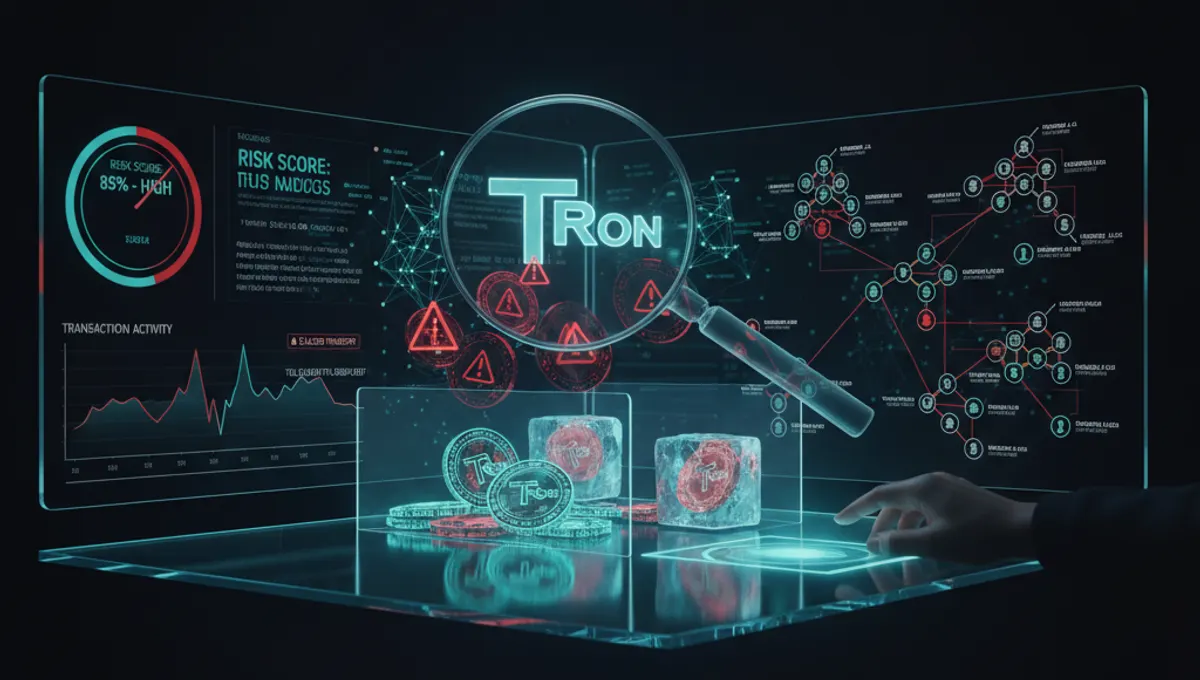
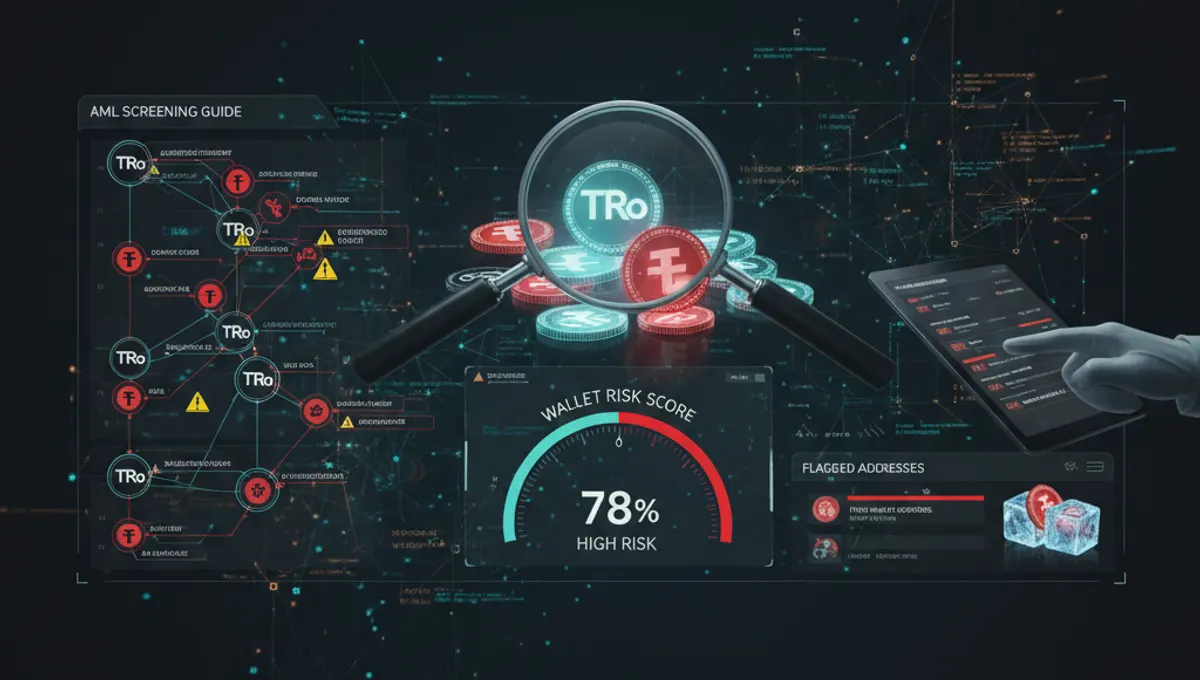
Checking a Tron wallet address means running it through AML (anti-money laundering) screening tools to assess whether the wallet has been involved in high-risk activity. The screening examines the wallet's transaction history, identifies if it has received funds from known theft incidents, mixing services, darknet markets, or sanctioned entities, and assigns a risk score. A Tron address check also reveals whether the wallet is flagged by exchanges or compliance databases. This differs from simply looking up a wallet balance; it's a compliance-focused investigation into the source and movement of funds. Risk assessment helps you avoid receiving tainted coins that could trigger account freezes or compliance violations.
How to Check Tron Wallet Balance and Transaction History
To check your Tron wallet balance and transaction history, use a public blockchain explorer such as Tronscan. Enter the Tron address in the search bar, and the explorer displays the wallet's TRX balance, USDT TRC20 holdings, and a complete list of incoming and outgoing transactions with timestamps and amounts. You can see which addresses have sent or received funds from the wallet. However, a basic balance check does not reveal AML risk. For compliance screening, you need to cross-reference the transaction history with known risk indicators: look for transactions involving mixing services, sudden large transfers from unknown sources, or patterns consistent with money laundering. Combining balance data with AML screening provides a complete picture of wallet safety.
Step-by-Step: How to Check a Tron Address Before Receiving Funds
Follow these steps to screen a Tron wallet address before accepting a transfer:
- Obtain the full Tron address (begins with T) from the sender.
- Visit a public Tron explorer (Tronscan) and search the address to review recent transaction history.
- Note any large or unusual transfers, especially from newly created wallets or multiple sources.
- Use an AML screening service to run the address against sanctions lists (OFAC, EU, UN), theft databases, and darknet exposure indicators.
- Review the risk score provided by the AML tool; scores typically range from low (0–20) to critical (80–100).
- If the score is acceptable (typically below 50 for routine transfers), proceed with caution.
- If the score is high or the wallet shows mixing service connections, decline the transfer or escalate to compliance.
Our curated list of verified AML services on this site provides trusted tools for this screening; checking wallets through those services is the safest starting point.
Understanding Tron Address Risk Scores and What They Mean
An AML risk score for a Tron address is a numerical rating (typically 0–100) that reflects the likelihood the wallet is involved in illicit activity. A score of 0–20 indicates low risk: the wallet has clean transaction history and no known associations with theft, sanctions, or darknet markets. A score of 20–50 represents moderate risk: the wallet may have received funds from mixing services or has limited transaction history, but no confirmed illegal activity. A score of 50–80 signals elevated risk: the wallet shows patterns consistent with money laundering, has received stolen funds, or is linked to high-risk jurisdictions. A score of 80–100 is critical: the wallet is flagged for sanctions violations, confirmed theft, or darknet marketplace activity. Most exchanges freeze accounts or reject deposits when risk scores exceed 70. Understanding these thresholds helps you decide whether to accept or reject a transfer.
Common Risk Factors in Tron Wallet Screening
When you check a Tron address, AML tools look for several red flags:
- Mixing service connections: Funds routed through tumblers or mixers designed to obscure transaction trails.
- Darknet marketplace exposure: Wallets that have received payments from known dark web markets.
- Stolen funds: Addresses linked to confirmed theft or hacking incidents.
- Sanctions violations: Wallets associated with sanctioned countries, entities, or individuals (OFAC, EU, UN lists).
- Gambling platforms: Some jurisdictions flag gambling-linked wallets as higher risk.
- Scam proceeds: Wallets receiving funds from Ponzi schemes, rug pulls, or fraud.
- Rapid movement: Funds moved through multiple wallets in short timeframes, suggesting layering.
- Newly created wallets: Addresses with minimal history and sudden large transfers.
Each risk factor contributes to the overall score. A wallet may have one or two minor flags and still be acceptable; multiple or severe flags warrant rejection.
What to Do If Your Tron Wallet Address Is Flagged as High Risk
If your Tron wallet address receives a high AML risk score, take these steps:
- Review your transaction history to identify the source of the risk flag. Check Tronscan for incoming transfers from suspicious addresses or mixing services.
- Document legitimate transfers: if you received funds from a known business or exchange, gather proof of the transaction's legitimacy.
- Contact the AML service or exchange that flagged your wallet and request clarification on the specific risk factors.
- If the flag is incorrect (e.g., you received funds from a legitimate source that was misclassified), provide evidence to dispute it.
- Avoid moving funds to other wallets immediately; this may increase suspicion of money laundering.
- If your exchange account is frozen, contact their compliance team with documentation of the legitimate source of funds.
- Consider using a fresh wallet for future transactions if the flagged wallet cannot be cleared.
False positives occur; persistence and documentation are key to resolving them.
Acceptable Risk Score Thresholds for Tron Transfers
Most exchanges and compliance frameworks accept Tron transfers from wallets with risk scores below 50. A score of 0–30 is considered safe for routine transactions with minimal compliance review. Scores of 30–50 are acceptable but may trigger additional verification or monitoring, depending on the exchange's policy and the transfer amount. Scores above 50 typically result in transaction rejection or account review. For high-value transfers (above 100,000 TRX or equivalent USDT), many exchanges lower the acceptable threshold to 30–40 to reduce exposure. Institutional transfers often require scores below 20. Your own risk tolerance and regulatory obligations should guide your threshold; if you operate in a regulated jurisdiction, consult your compliance team. Using verified AML services from our curated list ensures you apply consistent, industry-standard thresholds.
Frequently asked questions
How do I check if a Tron address is safe before sending money
Use a Tron explorer like Tronscan to review the address's transaction history, then run it through an AML screening service to check for sanctions, theft, and darknet exposure. Review the risk score; if it's below 50, the address is generally safe. If above 70, decline the transfer. Verified AML services on our site provide trusted screening tools.
What is a Tron address risk score and how is it calculated
A risk score (0–100) reflects the likelihood a Tron wallet is involved in illicit activity. It's calculated by analyzing transaction history, checking against sanctions lists, identifying mixing service connections, and flagging darknet exposure. Scores below 20 are low risk; 20–50 moderate; 50–80 elevated; 80–100 critical. Exchanges typically freeze accounts above 70.
Can I check a Tron wallet balance without an AML check
Yes, you can check a Tron wallet balance using Tronscan or similar explorers without AML screening. However, balance checks alone don't reveal whether funds are tainted or linked to theft. For compliance and safety, always combine balance checks with AML screening before accepting large transfers.
What happens if I receive USDT TRC20 from a flagged Tron address
If you receive USDT TRC20 from a high-risk address, your exchange account may be frozen during compliance review. The funds could be marked as tainted, and you may face delays or rejection when withdrawing. Always screen addresses before accepting transfers to avoid receiving stolen or sanctioned funds.
How often should I check a Tron address for AML risk
Check a Tron address before every significant transfer, especially if the sender is new or unfamiliar. If you hold funds in a wallet long-term, re-screen it periodically (monthly or quarterly) as new risk data emerges. High-value or institutional transfers should be screened every time.