What Is a Tron Wallet Address Check and Why It Matters
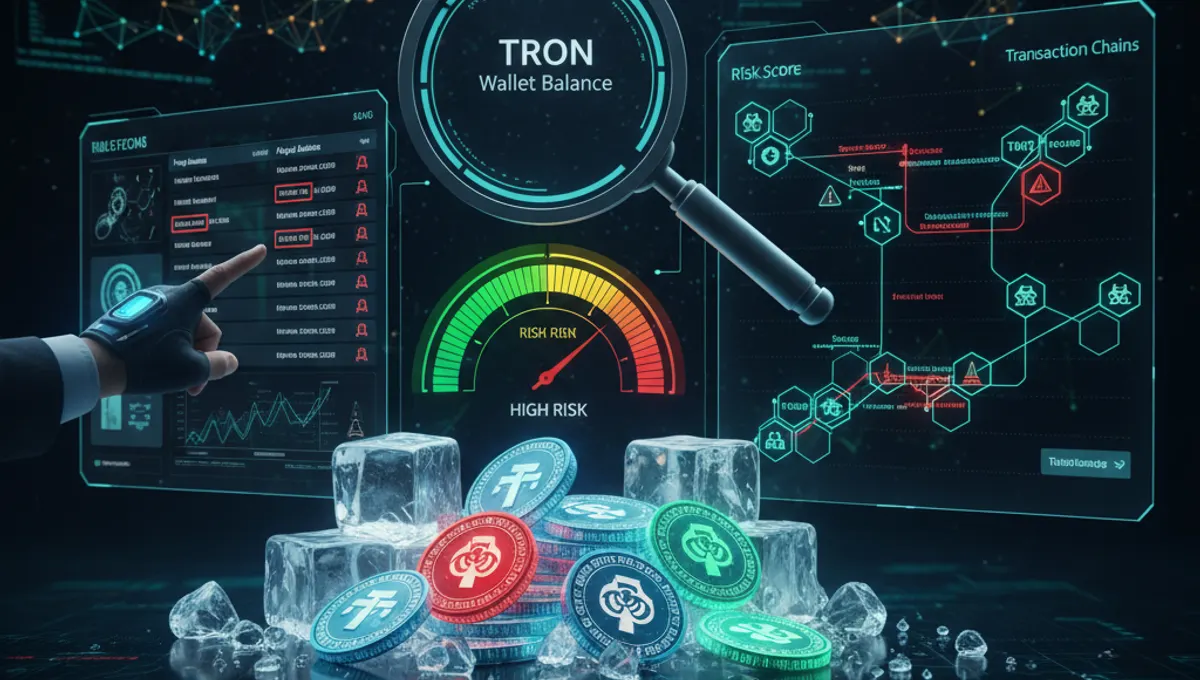
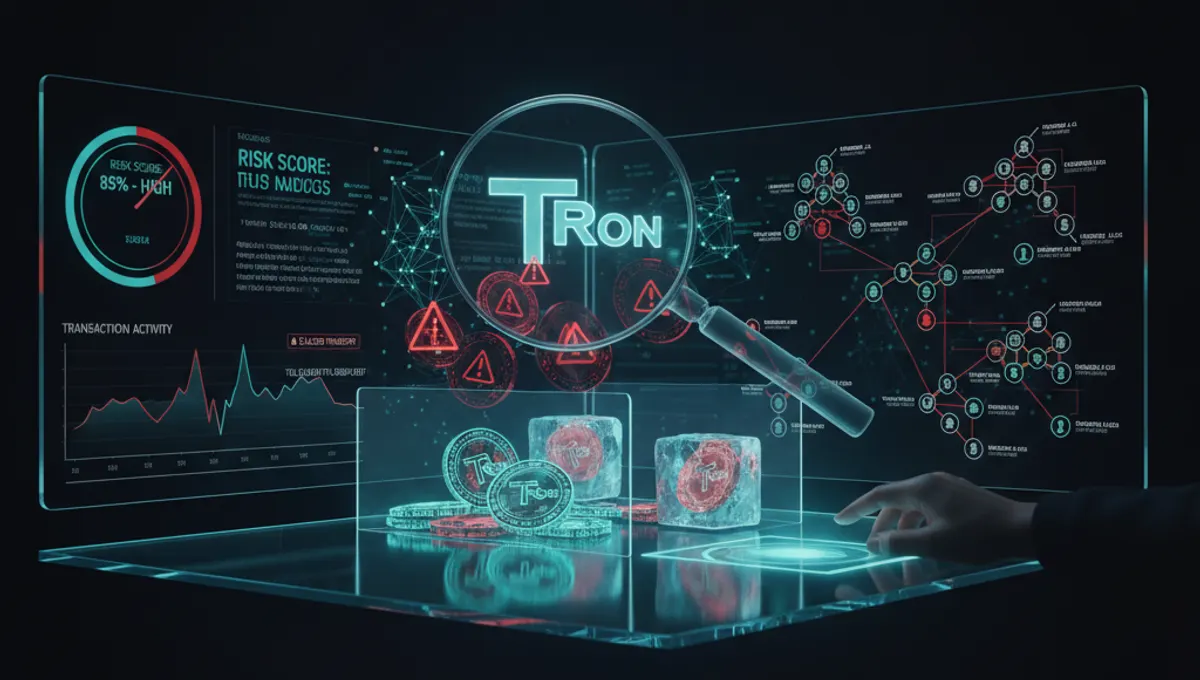
A Tron wallet address check is a compliance screening that analyzes a TRX or USDT TRC20 address against AML (anti-money laundering) databases, sanctions lists, and blockchain transaction history. The check returns a risk score indicating whether the address has received funds from mixers, darknet markets, scams, stolen wallets, or sanctioned entities. Exchanges like Binance, Kraken, and OKX monitor incoming deposits and can freeze accounts if they detect high-risk funds. A single deposit of tainted USDT TRC20 can trigger a permanent account lock, even if your own behavior is legitimate. Checking an address before you receive it is the only way to avoid this trap.
How to Check a Tron Address: Step-by-Step Process
To check a Tron wallet address for risk:
- Copy the TRX or USDT TRC20 address you want to verify (starts with T).
- Visit a trusted AML screening service from our curated list of verified AML services.
- Paste the address into the search field.
- Review the risk score and transaction history report.
- Check the source of funds: look for mixer activity, darknet exposure, or stolen fund flags.
- Decide whether to accept the transfer based on the risk level.
Most services return results in seconds. The report shows the address balance, transaction count, and any linked high-risk wallets. If the address has received funds from a known mixer or sanctioned entity, the risk score will be elevated. Do not accept transfers from addresses flagged as high-risk unless you have a specific compliance reason to do so.
Understanding Tron Address Risk Scores and What They Mean
A risk score is a numerical rating (typically 0–100 or 0–10) that indicates the likelihood an address is involved in illicit activity or compliance violations. Low risk (0–20) means the address has clean transaction history with no mixer or darknet exposure. Medium risk (21–50) indicates some suspicious activity, such as receiving funds from a gambling platform or a wallet with limited history. High risk (51–100) means the address has direct connections to mixers, darknet markets, scams, or sanctioned entities. Exchanges typically freeze accounts if deposits come from addresses scored above 50. If you receive a Tron address check result showing medium or high risk, contact the sender and ask for an alternative address. Never deposit high-risk funds into an exchange wallet.
Common Risk Factors in Tron Address Checks
Several factors trigger elevated risk scores when you check a Tron address:
- Mixer exposure: funds received from or sent to privacy mixers.
- Darknet market activity: direct or indirect links to darknet wallets.
- Stolen funds: coins flagged as proceeds of theft or hacking.
- Sanctioned entities: addresses controlled by individuals or organizations on OFAC or other sanctions lists.
- Scam proceeds: funds linked to known Ponzi schemes, rug pulls, or phishing attacks.
- Gambling platforms: some exchanges flag gambling deposits as higher-risk.
- Ransomware: funds traced to ransomware payments.
Not all medium-risk flags mean you should reject a transfer. Gambling or peer-to-peer transfers may carry a medium score but are not illegal. High-risk flags (mixers, darknet, sanctions) are harder to justify and should be avoided unless you have explicit compliance clearance.
How to Check Tron Wallet Balance and Transaction History
To check a Tron wallet balance and transaction history without AML screening, use a public blockchain explorer like Tronscan.org. Enter the TRX address and view the balance, transaction count, and recent transfers. This shows you the raw data but does not flag risk. To check Tron wallet balance combined with AML risk assessment, use an AML screening service, which overlays risk data on top of the public history. This tells you not just how much is in the wallet, but whether those funds are clean. For USDT TRC20 addresses, the same process applies: enter the address into an AML service to see both the USDT balance and any risk flags associated with that address.
What to Do If Your Tron Address Is Flagged as High-Risk
If you check a Tron address and it returns a high-risk score, take these steps:
- Do not deposit funds into that address.
- If you already received funds from it, contact your exchange support immediately and disclose the source.
- Request a manual review; some exchanges will clear legitimate transfers after investigation.
- If the address is yours and you received unexpected high-risk funds, move your clean coins to a new address and report the incoming transfer to your exchange.
- Preserve transaction records and communication with the sender.
Exchanges have frozen accounts for weeks or months during manual review. Proactive disclosure and documentation improve your chances of account recovery. Never attempt to hide or disguise the source of flagged funds; this triggers additional compliance holds and potential account termination.
Best Practices for Screening Tron Addresses Before Transfers
Before you receive or send USDT TRC20 or TRX:
- Always check the Tron address if it is new or unfamiliar.
- Use a verified AML screening service from our list of trusted providers.
- Request the sender's address in advance and screen it before confirming the transfer.
- If the sender cannot provide an address ahead of time, ask why.
- Set a personal risk threshold: many users reject any address above medium risk.
- Document the check result in case your exchange asks for compliance proof later.
- For large transfers (over 10,000 USDT), always screen the address.
- If you receive unsolicited transfers, screen them immediately and do not move the funds until you verify the source.
Screening takes 30 seconds and prevents account freezes that can last months. The cost of a single check is negligible compared to the cost of a frozen account.
Frequently asked questions
Can I check a Tron wallet address for free?
Some blockchain explorers like Tronscan show balance and transaction history for free, but they do not provide AML risk scoring. Free AML checks are limited; most verified services offer a small number of free lookups per month. For regular screening, a paid subscription is more reliable. Check our list of verified AML services for options that fit your budget.
What does a high-risk Tron address check mean?
A high-risk score indicates the address has received funds from mixers, darknet markets, scams, stolen wallets, or sanctioned entities. Exchanges typically freeze accounts if you deposit high-risk funds. Do not accept transfers from high-risk addresses unless you have explicit compliance approval from your exchange.
How long does a Tron address check take?
Most AML screening services return results in seconds to a few minutes. Real-time checks are standard. If a service takes hours or days, it may be performing manual review, which is rare for simple address screening.
Can I check a USDT TRC20 address the same way as a TRX address?
Yes. USDT TRC20 addresses use the same Tron blockchain format (starting with T). Screen them using the same AML services. The risk assessment applies to the address itself, regardless of whether it holds TRX or USDT.
What should I do if I already received funds from a high-risk Tron address?
Contact your exchange support immediately and disclose the source. Request a manual review. Proactive disclosure improves your chances of account recovery. Preserve all transaction records and communication with the sender. Do not attempt to hide or move the funds.